
Is Silicone A Plastic Or Rubber

Get ready for a mind-bending, myth-busting adventure into the world of materials! Today, we're tackling a question that has probably never kept you up at night, but trust me, it's more interesting than you think: Is silicone a plastic or a rubber? It's like asking if a platypus is a bird or a mammal – a delightful puzzle!
We see silicone everywhere, from our kitchen spatulas to those fancy phone cases, but what is it, really? Let's dive in and uncover the truth with a sprinkle of fun!
What is Plastic?
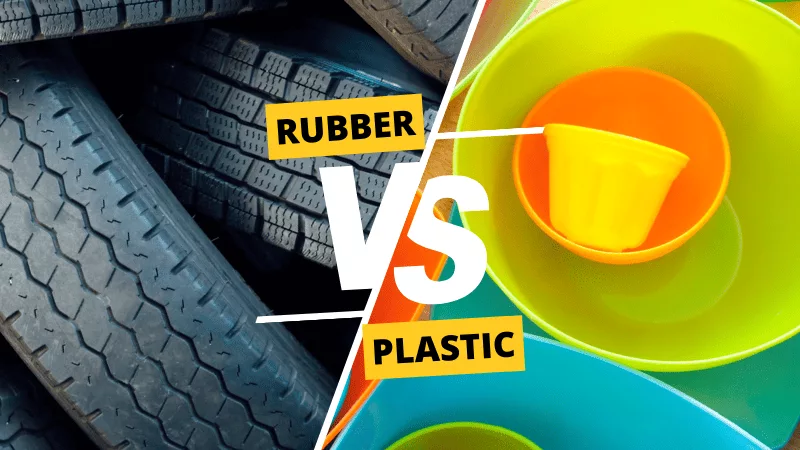
First up, let's talk about plastic. Ah, plastic! The undisputed heavyweight champion of modern life. Think about it: your water bottle, that sturdy LEGO brick, the casing of your TV remote. These are all classic plastics.
Must Read
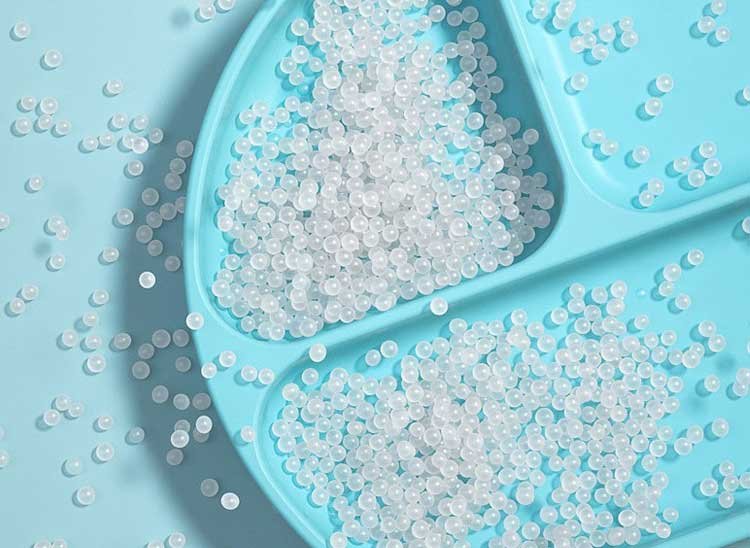
They start as oil (yup, from the ground!), then get cooked up in a lab, twisted and molded into all sorts of shapes. What makes plastic, well, plastic? It's usually rigid, durable, and can be molded when hot, then holds its shape when cool. It's often shiny, sometimes a bit brittle, and generally doesn't like to stretch much, unless it's designed to be a flexible plastic, but even then, it's not exactly bouncy like a rubber band.
If you drop a typical plastic item, it might crack, but it won't boing away. It's fantastic for holding liquids, creating protective barriers, and generally being the workhorse of our consumer world. But is our squishy silicone spatula anything like that hard plastic toy? Hmm, the plot thickens!
What is Rubber?
Now, let's switch gears and roll into the world of rubber! Imagine a giant bouncy ball, or a car tire, or even that trusty elastic band holding your hair back. That, my friends, is rubber! It's nature's original stretchy superstar, largely derived from trees (specifically, the rubber tree, thank you very much!).
What's rubber's superpower? Its elasticity! It loves to stretch and then snap right back into place, often with a satisfying thwip! It's flexible, grippy, and incredibly good at absorbing shocks. It's also pretty durable and can handle a lot of bending and twisting without breaking a sweat. Think of the sole of your running shoes – pure, unadulterated rubber at its finest, giving you that spring in your step.
It's soft, pliable, and generally feels quite different from a hard piece of plastic. So, does our silicone friend feel more like this? You might be leaning one way, but hold your horses, there’s a twist!
And the Winner Is... (Sort Of!)
Okay, time for the grand reveal! Is silicone a plastic or a rubber? Drumroll, please...
It's actually neither, strictly speaking!

"Silicone is like the superhero who belongs to their own unique league!"
It truly stands in a league of its own, but if we have to pick a team, it leans much more towards the rubber side of the family.
Why Silicone is Special (And Leans Rubber)
Here’s the deal: silicone is a synthetic polymer, just like many plastics. But instead of being built around a carbon backbone (like almost all plastics and natural rubbers), silicone has a unique silicon-oxygen backbone. Yes, silicon – like the stuff in computer chips! This unique atomic structure gives silicone some truly magical properties that neither traditional plastic nor natural rubber can quite match.
Think about it:

- Flexibility and Stretch: Just like rubber, silicone is incredibly flexible and stretchy. Your silicone baking mat can be rolled, folded, and stretched without losing its shape or tearing. Try that with a plastic cutting board!
- Temperature Resistance: This is where silicone really shines brighter than most rubbers and certainly plastics. You can bake cookies on a silicone mat at 400°F (that's hot!) and then stick it in the freezer without it melting or becoming brittle. Most plastics would melt into a sad puddle, and many rubbers would get stiff or degrade.
- Durability and Longevity: Silicone is incredibly resistant to UV light, oxygen, and extreme temperatures, which means it lasts a very long time without degrading, cracking, or fading. It's a champion of endurance!
- Non-Reactive: It doesn't react with food or most chemicals, making it super safe for kitchenware and medical devices.
So, while it's made in a lab like many plastics, its behavior and feel are much closer to a high-performance, super-duper rubber. It’s got that soft, pliable, elastic quality that makes us think of bouncy balls and stretchy bands, but with an incredible upgrade!
The Bottom Line: It's Silicone, Baby!
So, the next time someone asks you, "Is silicone a plastic or a rubber?", you can confidently puff out your chest and declare:
"It's a polymer that shares many characteristics with rubber, but with its own unique silicon backbone, making it a category unto itself!"
It's the ultimate hybrid, the best of many worlds, combining the manufacturing versatility of synthetics with the beloved elastic properties of rubber, all while adding some truly super temperature and chemical resistance. It's why we love our silicone oven mitts, baby bottle nipples, and even those fun, squishy watch bands. It truly is one of the most versatile and remarkable materials out there. So, let's give a round of applause to silicone – the material that keeps on stretching, baking, and surprising us! Hooray for science!