Is San Antonio In Tornado Alley
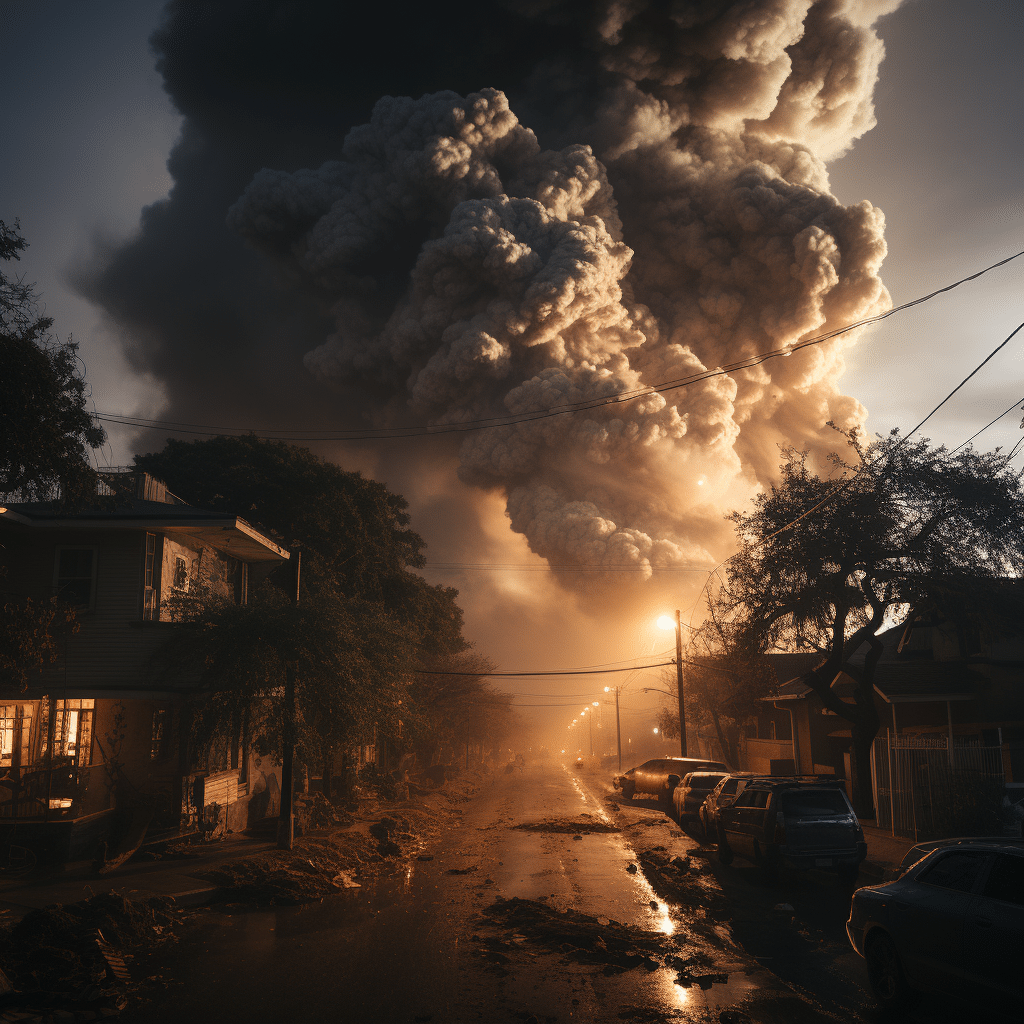
There's something universally captivating about the weather, isn't there? From the gentle patter of rain on a tin roof to the awe-inspiring spectacle of a sunset-streaked sky, it’s a constant, dynamic force shaping our world and our daily lives. We check forecasts to plan our outfits, our commutes, and our weekend adventures. But beyond the everyday, there's a particular kind of fascination, and perhaps a touch of trepidation, that severe weather sparks in us. We marvel at the raw power of thunderstorms, the delicate beauty of snowflakes, and the sheer, terrifying might of a tornado. This natural curiosity, especially for those living in or near tornado-prone regions, often leads to a burning question: Is San Antonio in Tornado Alley?
Understanding where you stand in relation to such powerful natural phenomena isn't just about satisfying a curious mind; it serves a crucial purpose in everyday life: preparedness and peace of mind. Knowing your risks allows you to make informed decisions, whether it’s planning an emergency kit, signing up for local weather alerts, or simply knowing the safest place in your home. It’s about separating fact from folklore, ensuring that while you appreciate the immense power of nature, you also respect its potential dangers with practical wisdom.
When most people think of "Tornado Alley," they picture a broad, mythical corridor stretching through states like Oklahoma, Kansas, and parts of Nebraska and North Texas. This region is indeed where the atmospheric ingredients – warm, moist air from the Gulf of Mexico, cool, dry air from the Rockies, and cold, dry air from Canada – frequently collide to create violent rotating supercells. So, to answer the burning question directly: San Antonio is generally considered to be outside the traditional, most active core of "Tornado Alley." However, this doesn't mean the Alamo City is entirely off the hook! Texas is a vast state, and while the panhandle and North Texas often bear the brunt of tornado activity, the central and southern parts, including San Antonio, certainly experience their fair share of severe weather, including tornadoes. Think of it less as an "alley" and more as a "tornado-prone neighborhood" within a larger, very active state.
Must Read
Common examples of how understanding this risk plays out include locals diligently following severe weather updates from KENS 5 or KSAT 12, knowing the difference between a "tornado watch" (conditions are favorable) and a "tornado warning" (a tornado has been spotted or indicated on radar), and recognizing the tell-tale signs of an approaching storm. It’s about being aware of what a severe thunderstorm can evolve into and taking appropriate precautions when the skies darken.
To "enjoy" this aspect of weather more effectively – by which we mean living safely and confidently – here are some practical tips: First, stay informed. Rely on official sources like the National Weather Service (NOAA) and trusted local meteorologists. Download a reliable weather app with customizable alerts. Second, have a plan. Know where you and your family would go in the event of a tornado warning, whether it's an interior room, a basement, or a community shelter. Practice it! Third, assemble a simple emergency kit with water, non-perishable food, a flashlight, a battery-powered radio, and extra batteries. Finally, teach younger family members about severe weather safety without instilling fear, empowering them with knowledge. Understanding San Antonio's place in the broader weather landscape allows us to appreciate the beauty of its storms while remaining smart, safe, and ready for whatever Mother Nature decides to send our way.