
Is Rubber The Same As Latex

Hey there, curious friend! Ever found yourself staring at something stretchy and wondering, "Is rubber the same as latex? Or are they like, fraternal twins, identical twins, or just really good friends?" Well, you're not alone! It's a common head-scratcher, and today, we're going to clear up the confusion with a big, friendly, easy-to-digest chat. No science textbooks required, promise!
Let's dive in!
The Big Reveal (Spoiler Alert: They're Related!)
Alright, let's cut to the chase like a pizza cutter through a delicious pepperoni slice: They're related, but not exactly the same thing. Think of it like a journey from a tree to your car tires or a bouncy ball. One is the starting point, and the other is a super cool, transformed version!
Must Read
First Up: What is Latex?
Imagine a tree. Not just any tree, but a rubber tree (the fancy scientific name is Hevea brasiliensis – try saying that five times fast!). If you make a little scratch or incision in its bark, it "bleeds" a milky white liquid. That, my friend, is natural rubber latex.
It's essentially the raw juice, straight from nature's tap! It's a complex emulsion – basically tiny rubber particles suspended in water, along with some other bits and bobs. It's gooey, it's sticky, and it's the magical starting point.
Now, a quick side note: there's also synthetic latex, which is man-made in a lab and doesn't come from a tree. But when most people talk about "latex" in relation to "rubber," they're usually referring to the natural stuff from the trees.
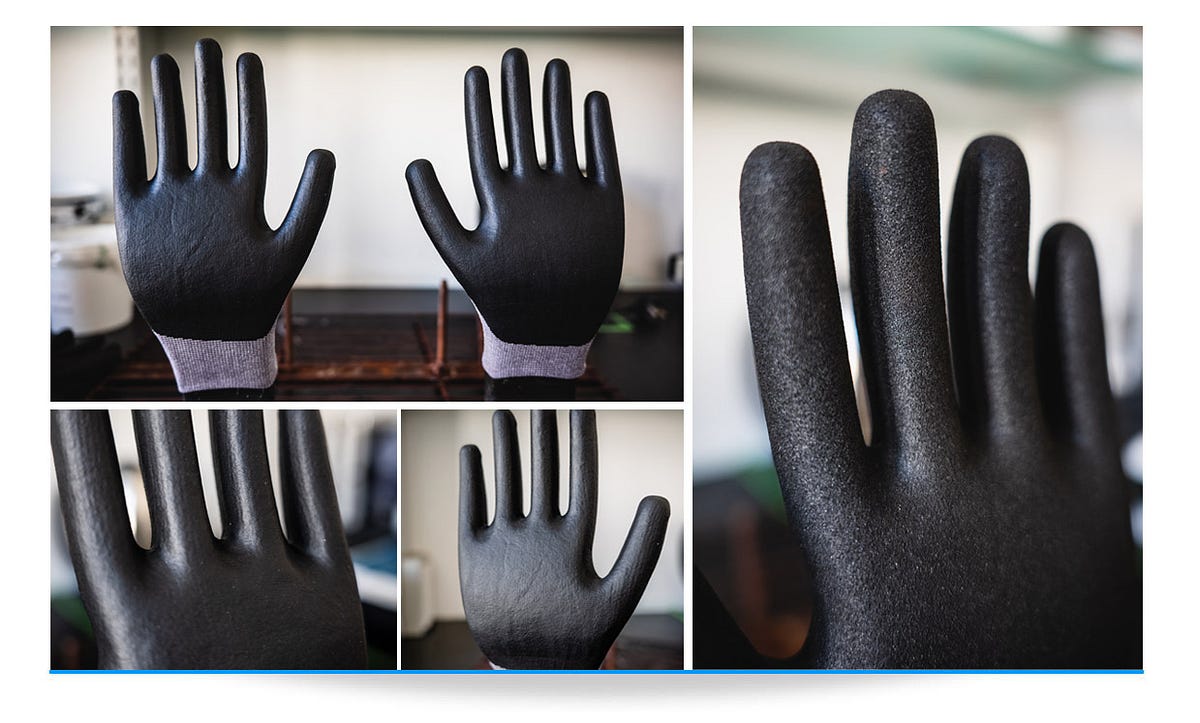
Next Up: What is Rubber?
So, you've got this milky latex. If you leave it alone, it's pretty squishy and not super useful for, say, bouncing a ball across the park or making a durable glove. It tends to break down easily and gets sticky when it's hot. Not ideal for everyday items, right?
This is where human ingenuity (and some clever chemistry!) comes in! When you take that natural rubber latex and put it through some processing magic – often involving heat and sulfur – it transforms. This process is famously called vulcanization (big shout-out to Charles Goodyear for figuring that out!).
This transformation changes the gooey, unstable latex into the strong, elastic, durable, and much more useful material we know and love as rubber! So, rubber is essentially the finished product or the processed form derived from natural rubber latex. It's like turning raw cookie dough into delicious baked cookies!

The "Raw Potato vs. French Fries" Analogy
Here's a super simple way to think about it:
Is a raw potato the same as French fries? Nope!
- The potato is the raw ingredient.
- French fries are the delicious, processed end product.
Similarly:
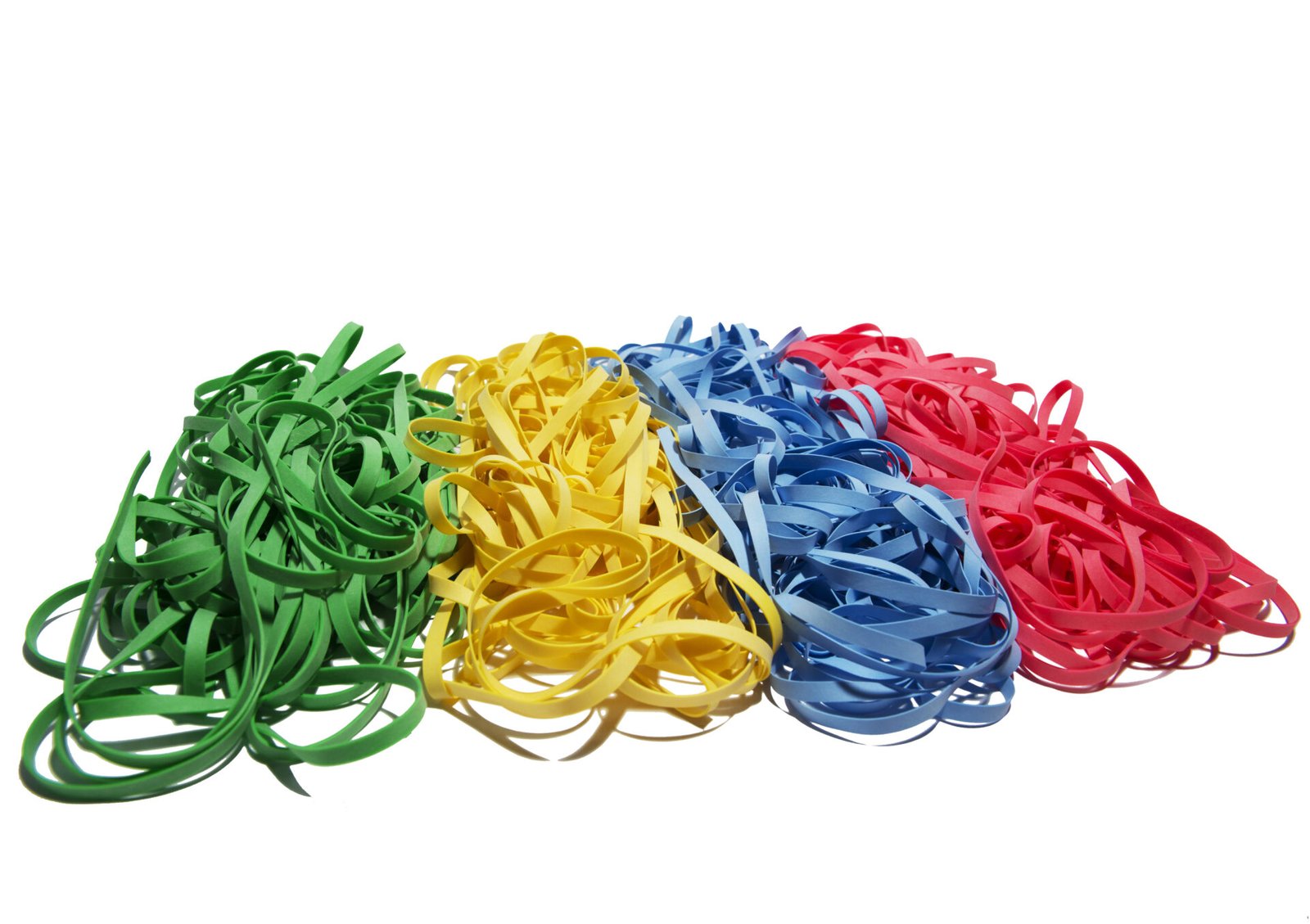
- Latex is the raw sap from the tree.
- Rubber is the processed, solidified, and super-useful form of that sap.
A Quick Word on Allergies (Super Important!)
This is where the distinction between "latex" and "rubber" can be really important, especially for health reasons!
When people talk about latex allergies, they're almost always referring to allergies to specific proteins found in natural rubber latex (NRL). These allergies can be quite serious for some individuals.
Many finished rubber products, especially those that have been heavily processed and vulcanized (like car tires, shoe soles, or even the elastic in your waistband), contain very low levels of these allergy-triggering proteins. So, someone with a latex allergy might be fine with a rubber tire but react to a latex glove. It depends on the amount of residual protein!
Also, remember that synthetic rubber (like neoprene or nitrile rubber, often used in "latex-free" gloves) doesn't come from a tree and doesn't contain these natural latex proteins. So, "latex-free" usually means "natural rubber latex-free" and often uses a synthetic rubber alternative.
So, What's the Takeaway?
To sum it up: All natural rubber comes from natural rubber latex, but not all products called "latex" are natural rubber (hello, synthetic latex!), and not all processed "rubber" items will trigger a natural latex allergy. Phew! It’s a bit of a linguistic dance, isn't it? But you've got it now!
A Little Uplifting Conclusion!
Isn't it fascinating how nature provides us with such incredible raw materials, and human ingenuity transforms them into countless useful things? From a tree's milky tears to the tires that take us on amazing adventures, or the bouncy balls that bring pure joy – it's all part of an incredible journey of transformation.
So next time you see something stretchy and wonderful, you can nod wisely and say, "Ah, yes, I know the difference between latex and rubber!" You're officially a material science guru (at least in this tiny, fun corner of it!). Keep exploring, keep learning, and keep that curious mind bouncing like a perfectly vulcanized rubber ball! You rock!