
Is Polyester Good For Your Skin
Alright, let's get real for a sec. When you hear the word "polyester," what's the first image that pops into your head? Is it a sleek, high-performance athletic top that keeps you cool and dry during your morning jog? Or is it… well, let’s just say, a slightly less flattering image involving disco balls, leisure suits, and maybe a certain uncomfortable stickiness? (Go on, you can admit it. We've all been there.)
For a long time, polyester had a bit of a bad rap. It was seen as the cheap, synthetic cousin to natural fibers like cotton and wool, often associated with feeling clammy, non-breathable, and frankly, a bit itchy. But my friend, prepare to have your fabric-based perceptions utterly, delightfully, and comfortably shattered!
The Polyester Renaissance: Not Your Grandma's Fabric Anymore
Let's clear the air right away: the polyester of yesteryear is not the polyester of today. Fabric technology has come a ridiculously long way, and modern polyester is a true marvel. We're talking about advancements in weaving, fiber structure, and blends that make it a completely different beast. Think microfibers, moisture-wicking wizardry, and incredible softness. It's like comparing a clunky 1980s brick phone to your sleek, smart device – same basic idea, wildly different execution!
Must Read
So, Is It Good For Your Skin? Let's Dive In!
This is where it gets exciting. For many activities and skin types, modern polyester is not just "okay" – it's actually fantastic. Here's why you might want to give it a second look, and maybe even a big hug:
1. The Moisture-Wicking Marvel (Your Skin's Best Friend)
This is the big one, folks! Unlike cotton, which absorbs moisture and holds it against your skin (making you feel damp and heavy), polyester is engineered to wick sweat away from your body. It pulls moisture from your skin to the fabric's outer surface, where it evaporates rapidly. What does this mean for you? Less chafing, less clamminess, and a much more comfortable experience, especially during workouts or hot weather. Your skin stays drier, which means less opportunity for irritation and bacterial growth. Hooray for dry skin!
2. Hypoallergenic & Gentle (Usually!)
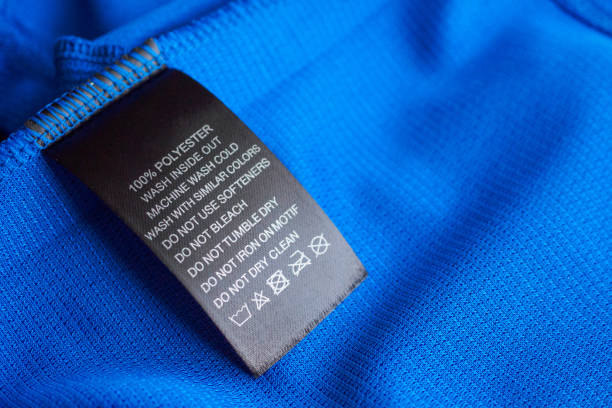
Good news for sensitive souls! Polyester is generally considered a hypoallergenic fiber. It's less likely to harbor dust mites or mold compared to natural fibers, which can be a huge relief for people prone to allergies. Plus, modern polyester fabrics are often incredibly smooth and soft, reducing friction and potential irritation on your skin. No scratchy business here!
3. Durability & Low Maintenance (Less Stress for Your Skin and You)
Polyester is tough! It resists shrinking, stretching, and wrinkling. This means your clothes maintain their shape and feel good against your skin for longer. Less fading, less pilling – which, let's be honest, means less scratchy, worn-out fabric irritating your skin over time. And who doesn't love clothes that look good and last? More time for fun, less time for fabric fuss!
4. UV Protection (An Added Bonus!)
Some polyester fabrics are woven or treated to offer a decent level of UV protection, acting as an extra shield for your skin against the sun's harmful rays. While it's no substitute for sunscreen, it's a fantastic bonus, especially if you're spending extended time outdoors. Think of it as your fabric bodyguard!

Are There Any Downsides? (Keeping it Real)
Of course, no fabric is perfect for absolutely everyone, every situation. While modern polyester is incredibly breathable, it still won't feel exactly like a pure linen shirt on a breezy summer day. Some people might find it retains odors more easily than natural fibers (though advancements in anti-odor treatments are tackling this!). And, yes, if you're wearing an old, non-performance polyester garment, it might still feel a bit "plastic-y." The key? Choose wisely! Look for performance blends, microfibers, and specifically "moisture-wicking" labels.
Making Life More Fun, One Polyester Garment at a Time
So, why does all this matter for making life more fun? Because comfort, my friend, equals freedom! When your clothes are working with you, not against you, you feel liberated to move, sweat, explore, and simply be. Imagine conquering that hiking trail without feeling drenched and heavy, crushing your spin class without chafing, or simply enjoying a warm day without that sticky feeling. Modern polyester allows you to embrace an active, vibrant lifestyle with confidence and comfort.

It lets you focus on the joy of the activity itself, not on how uncomfortable your clothes are making you. It empowers you to push your limits, try new things, and adventure boldly, knowing your skin is happy and supported. Who knew fabric could be so empowering?
The Takeaway: Embrace the New Polyester!
So, next time you're browsing for activewear, or even just comfy everyday clothes, don't automatically dismiss polyester. Give the modern versions a try! You might just discover a whole new world of comfort and performance that elevates your daily life, your workouts, and your adventures.
The world of textiles is constantly evolving, blending science and style to create amazing new possibilities for our skin and our comfort. Go ahead, explore, touch, and learn! Your skin (and your active lifestyle!) will thank you. It's a journey of comfort, discovery, and feeling good in your own skin – and your clothes!
