Is Petroleum A Renewable Or Nonrenewable Resource
Ever wonder where the gas in your car, the plastic in your phone, or even the asphalt on the road comes from? The answer, in large part, is petroleum – also known as crude oil. But here's the million-dollar question (and the reason we're here today!): is petroleum a renewable or nonrenewable resource? Understanding this isn't just for geology nerds; it affects everything from gas prices to climate change, making it a topic that impacts all of us. So, buckle up as we dive into the fascinating world of oil!
The purpose of figuring out if petroleum is renewable or not is pretty straightforward. It helps us understand how sustainable our current way of life is. If it's renewable, we can (in theory) keep using it forever. If it's nonrenewable, well, we need to start thinking seriously about alternatives before we run out. Knowing the truth allows us to make informed decisions about energy policy, personal consumption, and technological development. Plus, understanding resource management is crucial for ensuring a healthy planet for future generations.
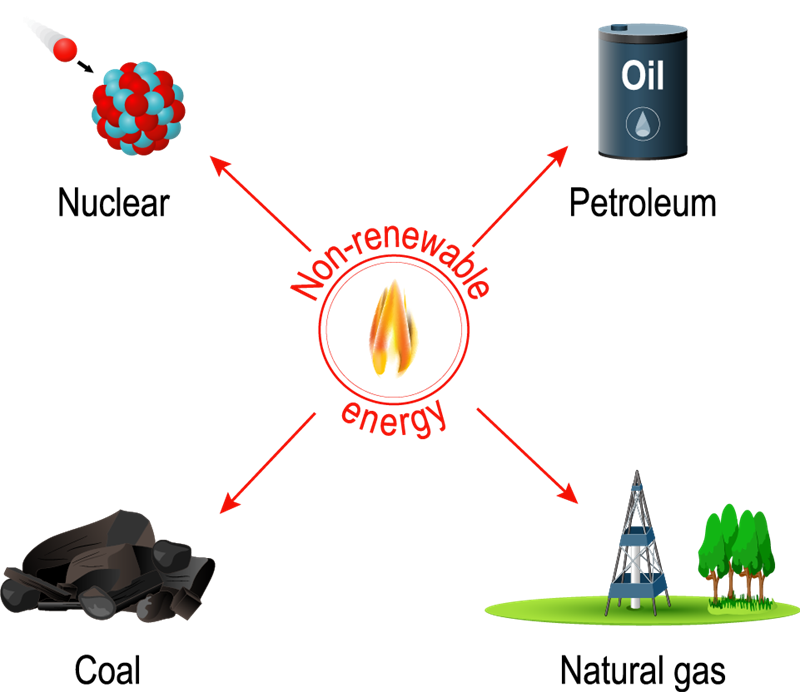
Let's cut to the chase: petroleum is generally considered a nonrenewable resource. Why? Because the process of creating it takes millions of years! Here's the simplified version: Tiny marine organisms, like plankton and algae, die and sink to the bottom of the ocean. Over eons, layers of sediment bury them, and under intense heat and pressure deep within the Earth, their remains transform into crude oil. Think of it like making a diamond – it takes a really, really long time!
Must Read
Now, some scientists argue that, technically, the process of creating oil is still happening. And they’re right! The Earth is still making oil. However, the rate at which it's forming is minuscule compared to the rate at which we're extracting and using it. We’re talking about a difference of millions of years versus decades. Imagine emptying a swimming pool with a fire hose while only refilling it with a tiny eyedropper – you're going to run out of water pretty quickly!

The benefits of understanding this distinction are numerous. Firstly, it highlights the urgency of transitioning to renewable energy sources like solar, wind, and geothermal. These resources replenish themselves naturally and don’t deplete over time. Secondly, it encourages us to be more efficient in our energy consumption. Driving less, using public transportation, and improving energy efficiency in our homes can all make a difference. Finally, it sparks innovation. Knowing that petroleum is limited drives researchers and engineers to develop new technologies that can power our world in a more sustainable way.
So, the next time you fill up your car or use a plastic product, remember the long and complex journey of petroleum. Understanding its nonrenewable nature is the first step towards a more sustainable and responsible future. It's not just about saving oil; it's about saving the planet!