Is Ozone A Greenhouse Gas
Hey there, fellow curious human! Ever found yourself wondering if ozone is a good guy or a bad guy? Or if it's one of those sneaky greenhouse gases we hear about? Well, grab a comfy seat and a snack, because we're about to demystify ozone with a friendly chat. No jargon, just straight talk and a few (occasionally terrible) jokes. Let’s dive in!
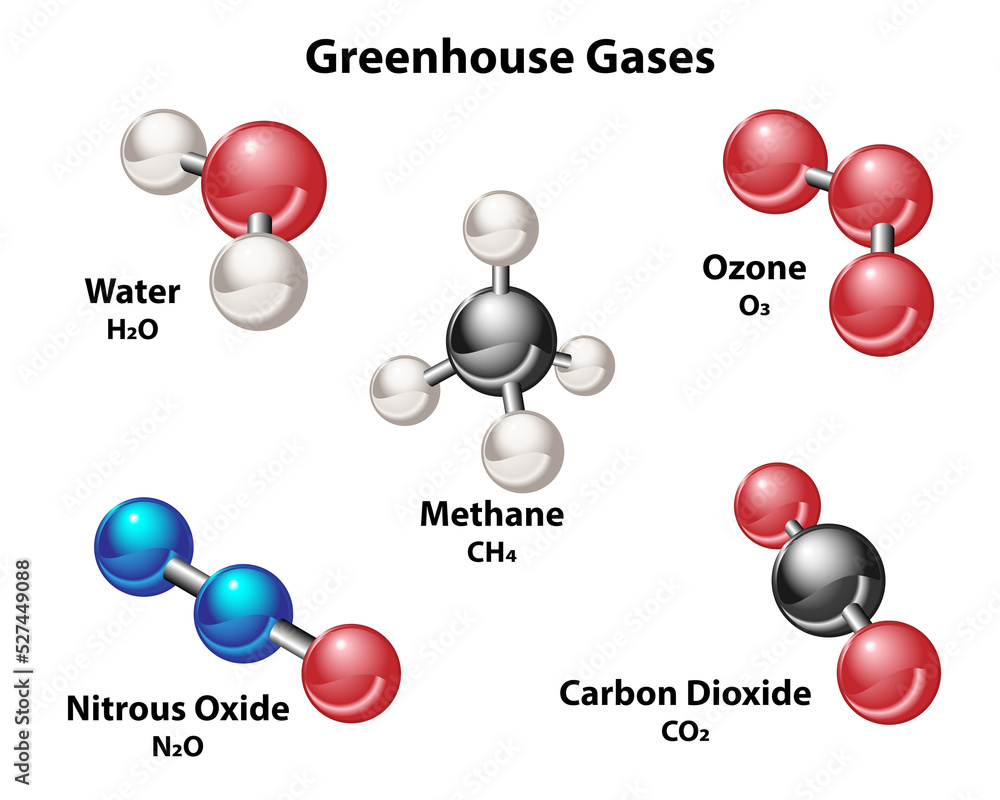
First things first: What's a Greenhouse Gas Anyway?
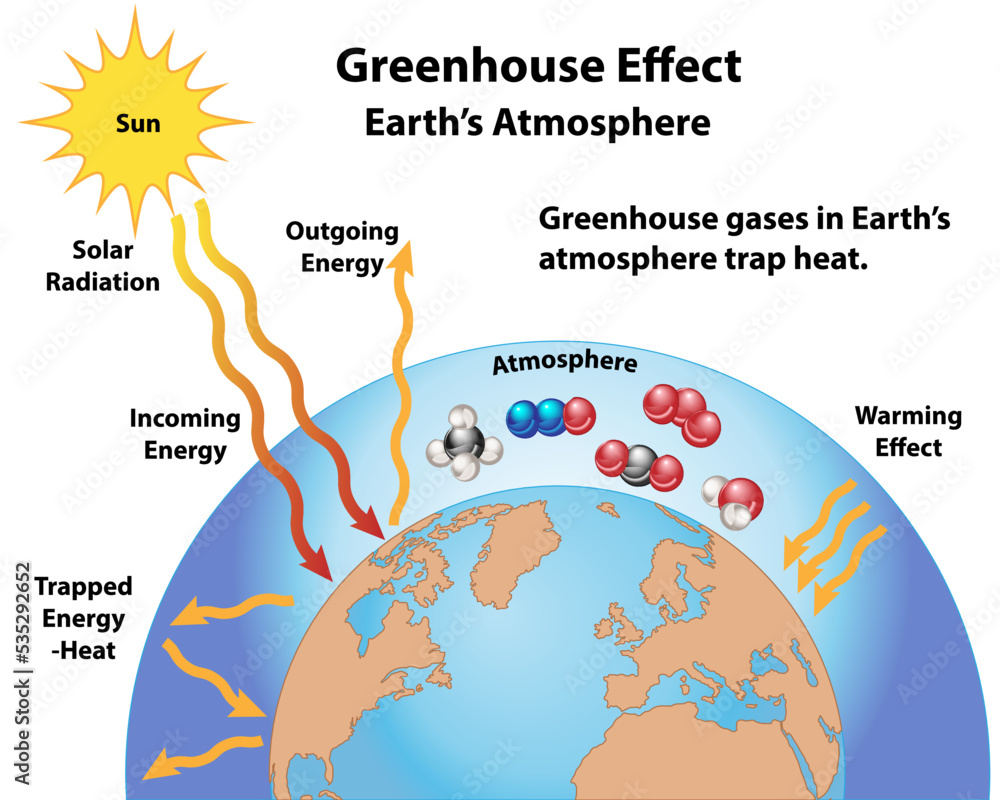
Before our ozone mystery, let's quickly chat about what makes a gas a "greenhouse gas." Imagine Earth trying to stay cozy. The sun sends warmth, which is lovely! But some of that heat tries to escape back into space. Greenhouse gases are like an invisible blanket around our planet. They trap outgoing heat, keeping Earth warm enough for us to live. A little warmth is good, but pile on too many blankets, and suddenly you’re sweating buckets, right? That’s the problem with too many greenhouse gases – they turn our snug blanket into an overheating sauna!
Meet Ozone: The Gas with a Total Split Personality!
Ozone is a gas made of three oxygen atoms (O₃). What's fascinating about ozone is its split personality. Where it hangs out in our atmosphere makes all the difference!
Must Read
Good Ozone: Our Stratospheric Superhero!
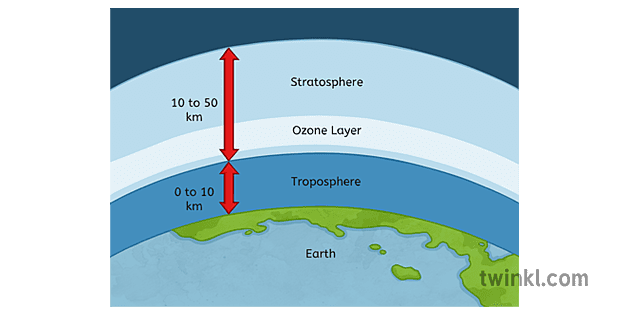
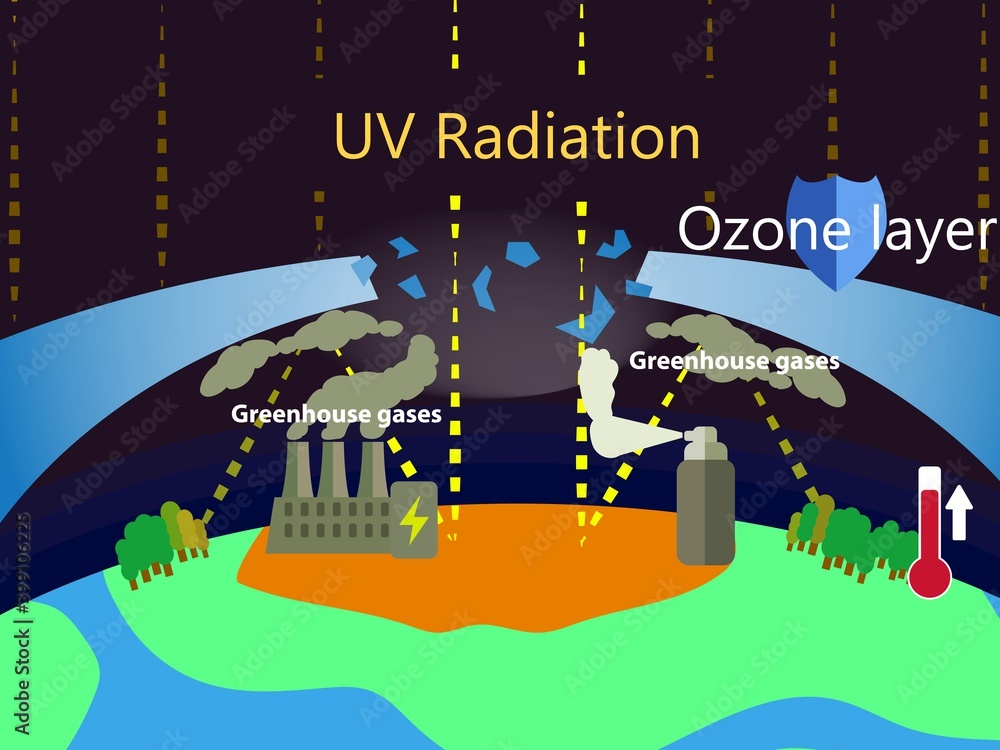
Way, way up high (10 to 30 miles above us) in the stratosphere, we have our good ozone. This is the famous, life-saving ozone layer. It's like Earth's invisible superhero shield, absorbing most of the Sun's incredibly harmful ultraviolet (UV) radiation. Think of it as Earth’s natural SPF 500,000! Without it, we'd all be lobster-red and facing a lot more trouble than just sunburn. So, up here, ozone is definitely a good guy, protecting life on Earth.
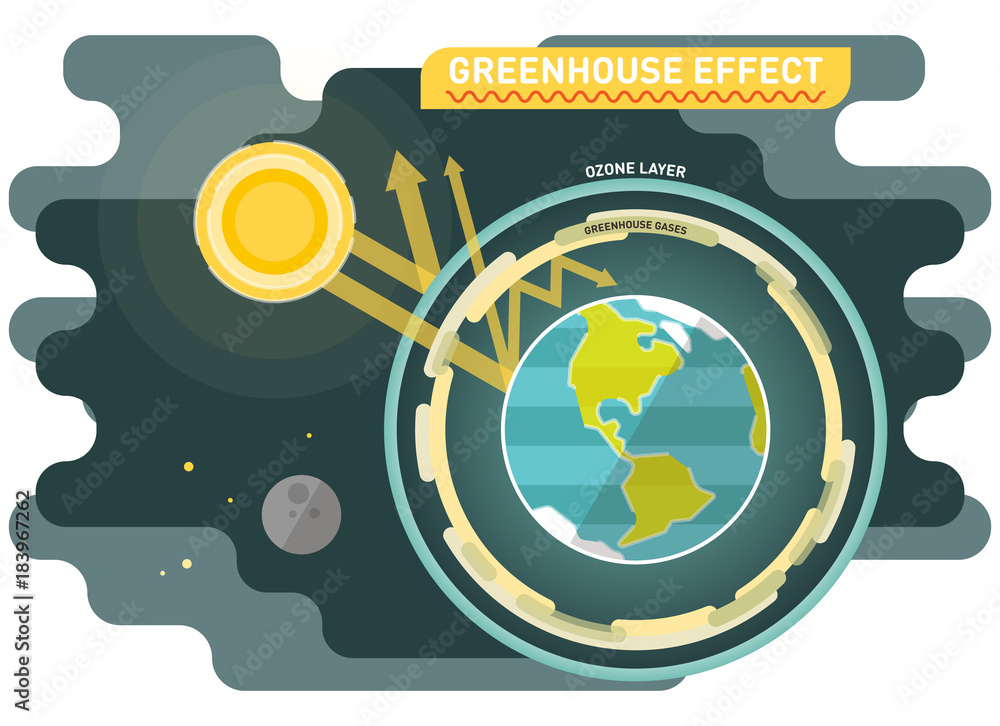
While stratospheric ozone technically absorbs some infrared radiation, its primary, overwhelmingly beneficial role is blocking UV light. Its effect on lower atmosphere warming is not significant like other greenhouse gases. This superhero ozone isn't a primary driver of global warming; its main gig is UV protection, not adding to our 'too many blankets' problem.
Bad Ozone: The Tropospheric Troublemaker
Now, let's talk about the ozone that hangs out closer to us, down here in the troposphere (where we breathe). This is where ozone gets its infamous bad reputation. This "bad ozone" isn't directly emitted; it's a secondary pollutant, formed when other pollutants from car exhausts and industrial emissions "cook" in the sunlight. It's a nasty byproduct of our modern lives.
And guess what? This tropospheric ozone absolutely, positively, IS a greenhouse gas! While it doesn't stick around as long as, say, carbon dioxide, it's a very potent heat-trapper during its lifetime. It's super good at absorbing outgoing infrared radiation, contributing to that "too many blankets" effect and driving up global temperatures. So, not only is it bad for our lungs (yuck!), but it also significantly adds to climate change. It's a real double whammy!
So, Is Ozone a Greenhouse Gas? The Super-Short Answer!
Drumroll, please... The answer is: it absolutely depends on where it is!
- Stratospheric ozone (up high, our superhero): Our planetary sunscreen. Not a significant greenhouse gas for lower atmosphere warming. Too busy being awesome.
- Tropospheric ozone (down low, the troublemaker): A pesky air pollutant and a definite greenhouse gas, contributing significantly to global warming. This is the one we worry about.
It’s like having identical twins: one saves lives, the other swaps sugar for salt. Same name, very different impact!
A Little Something to Smile About
Isn't it fascinating how complex our planet's systems are? It can feel overwhelming sometimes, but here's the cool part: understanding these things – like our ozone superhero and its warming sibling – brings us closer to making smarter choices for our environment. Every bit of knowledge helps us make a difference. Go forth with your newfound ozone wisdom, share it, and remember that even small conversations can lead to great changes and help brighten our future. You've got this!