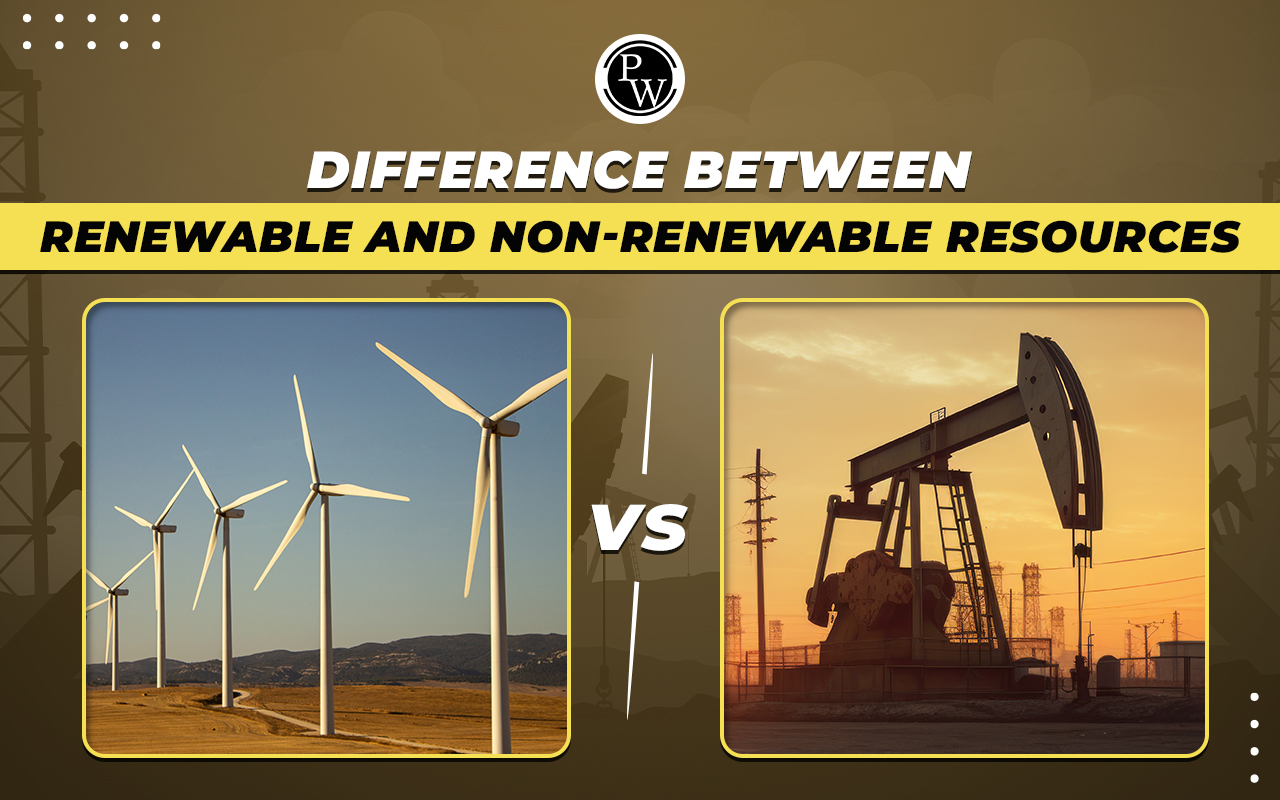
Is Oil A Nonrenewable Or Renewable Resource
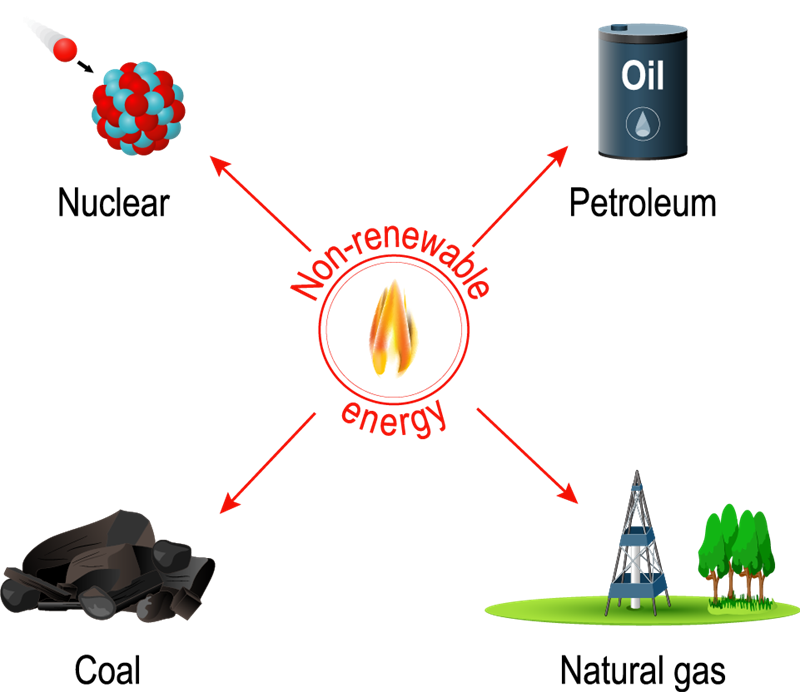
Hey there, friend! Ever pondered over the age-old question: is that black gold, also known as oil, a renewable or nonrenewable resource? It’s a bit of a head-scratcher, isn't it? Let's dive in, shall we? No lab coats required!
The Nonrenewable Side of the Story
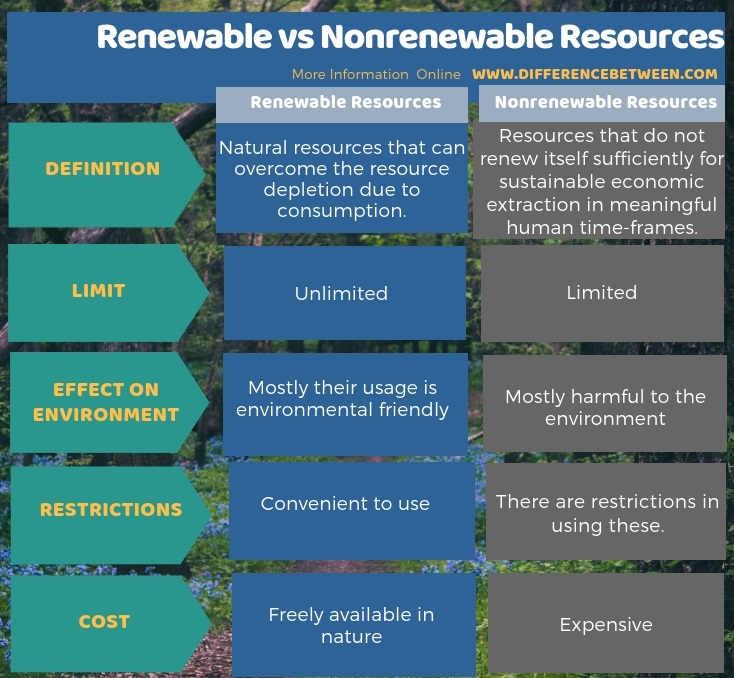
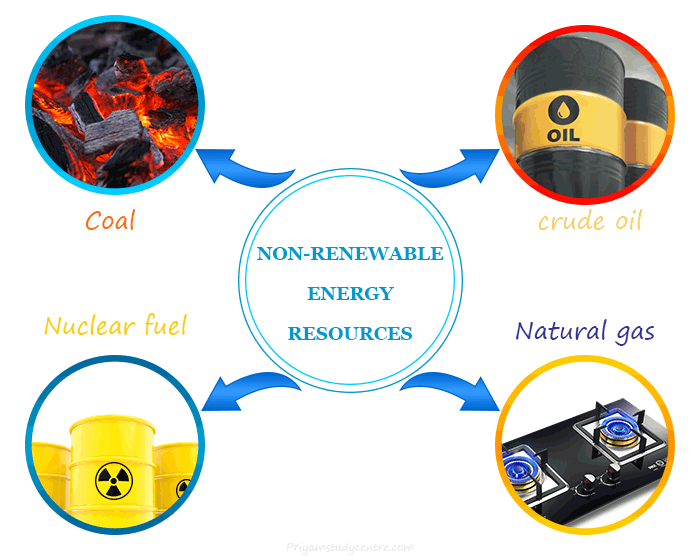
Alright, so most scientists and, well, common sense, point to oil being a nonrenewable resource. What does that even mean? Basically, it means that it takes way too long for nature to replenish it for us to consider it readily available. Think millions and millions of years – longer than it takes to watch all the Marvel movies back-to-back (and that's saying something!).
Imagine baking cookies. You use up the ingredients, right? You can't just instantly snap your fingers and have more flour magically appear (unless you're a wizard!). Oil is kinda like that flour. We're using it up much faster than it's being made.
Must Read
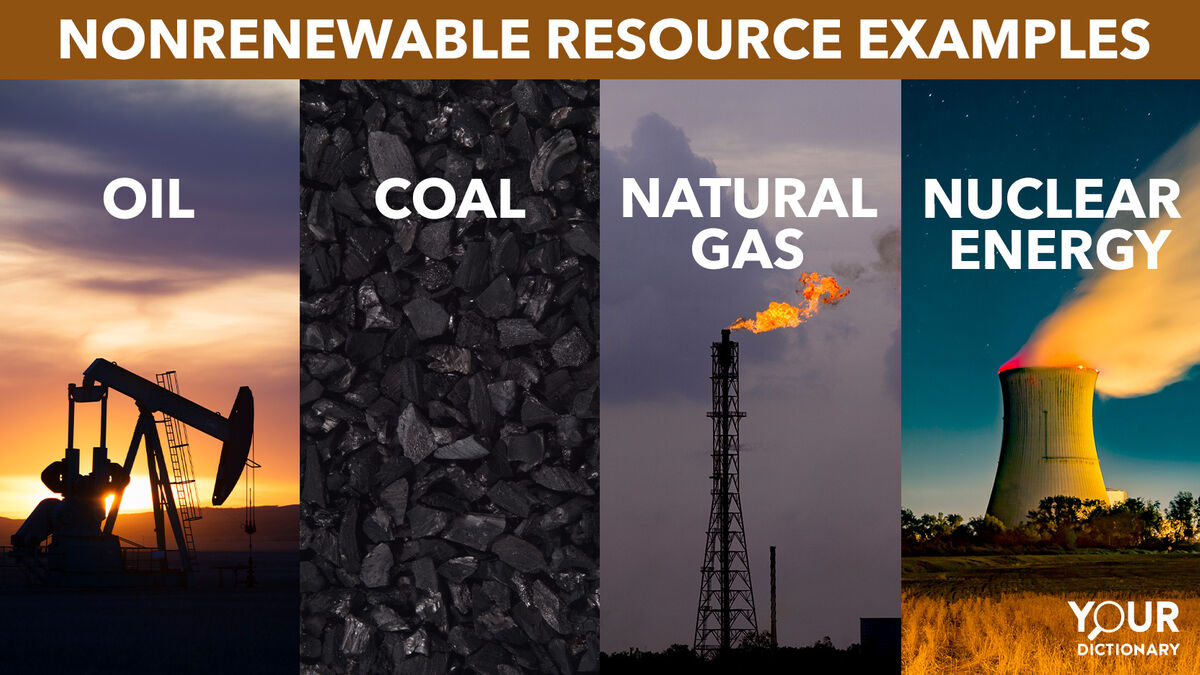
Here’s the deal: oil is formed from the remains of ancient marine plants and animals (think tiny algae and plankton) that lived millions of years ago. These organic materials get buried under layers of sediment, and over eons, subjected to intense heat and pressure, they transform into crude oil. Talk about a long cooking time!
So, when we pump oil out of the ground, we’re tapping into a finite supply that took ages to create. And once it's gone... well, it's gone (or at least, incredibly, ridiculously hard to get back in a usable timeframe). That's why it's considered nonrenewable. It’s a one-time deal, like that limited-edition vinyl record you finally snagged.
But Wait, Could It Be Renewable (Sort Of)?
Okay, okay, hold on! Some people argue that, technically, the processes that create oil are still happening. And they're not wrong! Tiny marine organisms are still living, dying, and sinking to the ocean floor. The Earth is still doing its geological thing.
However (and this is a big however), the rate at which oil is being formed now is incredibly slow compared to how fast we're burning through it. We're talking a geological snail's pace versus a rocket ship. So, while technically it might be considered renewable in the extreme long term (like, after the next ice age or two), for all practical purposes, it's a nonrenewable resource.
Think of it like this: you could try to refill your swimming pool with a teacup. Sure, you're adding water, but it's going to take you… well, forever. By the time you're done, the water will have evaporated! Same with oil - we're using it faster than it can be "refilled."
Why Does It Matter?
This isn't just an abstract scientific debate! Understanding that oil is nonrenewable is crucial for several reasons:
- Environmental impact: Burning oil releases greenhouse gasses, contributing to climate change. Knowing it’s finite should encourage us to be more mindful of our consumption.
- Energy security: Relying heavily on a limited resource makes us vulnerable to price fluctuations and geopolitical instability.
- Innovation: Recognizing the limitations of oil pushes us to develop alternative, sustainable energy sources, like solar, wind, and… well, maybe even those super-efficient fusion reactors we keep hearing about!
Basically, knowing that the oil well isn't bottomless helps us make better choices for the planet and our future. It encourages us to conserve, innovate, and think about the long game.
The Takeaway: Let's Get Renewable!
So, there you have it! Oil is firmly in the nonrenewable camp, although technically, maybe-kinda-sorta renewable in the far-distant future. But the real takeaway is this: knowing its limitations empowers us to be smarter and more sustainable in our energy choices.
Let’s embrace the challenge! Let’s invest in renewable energy, find ways to conserve, and work towards a future where our energy sources are as abundant and enduring as the sunshine. Think of it – a world powered by the sun, wind, and maybe even… well, let’s leave the fusion reactors to the scientists for now! Isn't that an exciting thought?
So go forth, my friend! Be energy-conscious, be innovative, and be a champion for a sustainable future. The world needs more people like you!