Is Nuclear Power Harmful To The Environment
Let's talk about something that's both fascinating and a little bit intimidating: nuclear power! Why is it fun? Because it involves splitting atoms – like something out of a sci-fi movie! Why is it useful? Because it's a potentially huge source of energy. And why is it popular? Well, because we desperately need to figure out how to power our world without cooking the planet. So, let's dive into the big question: is nuclear power harmful to the environment?
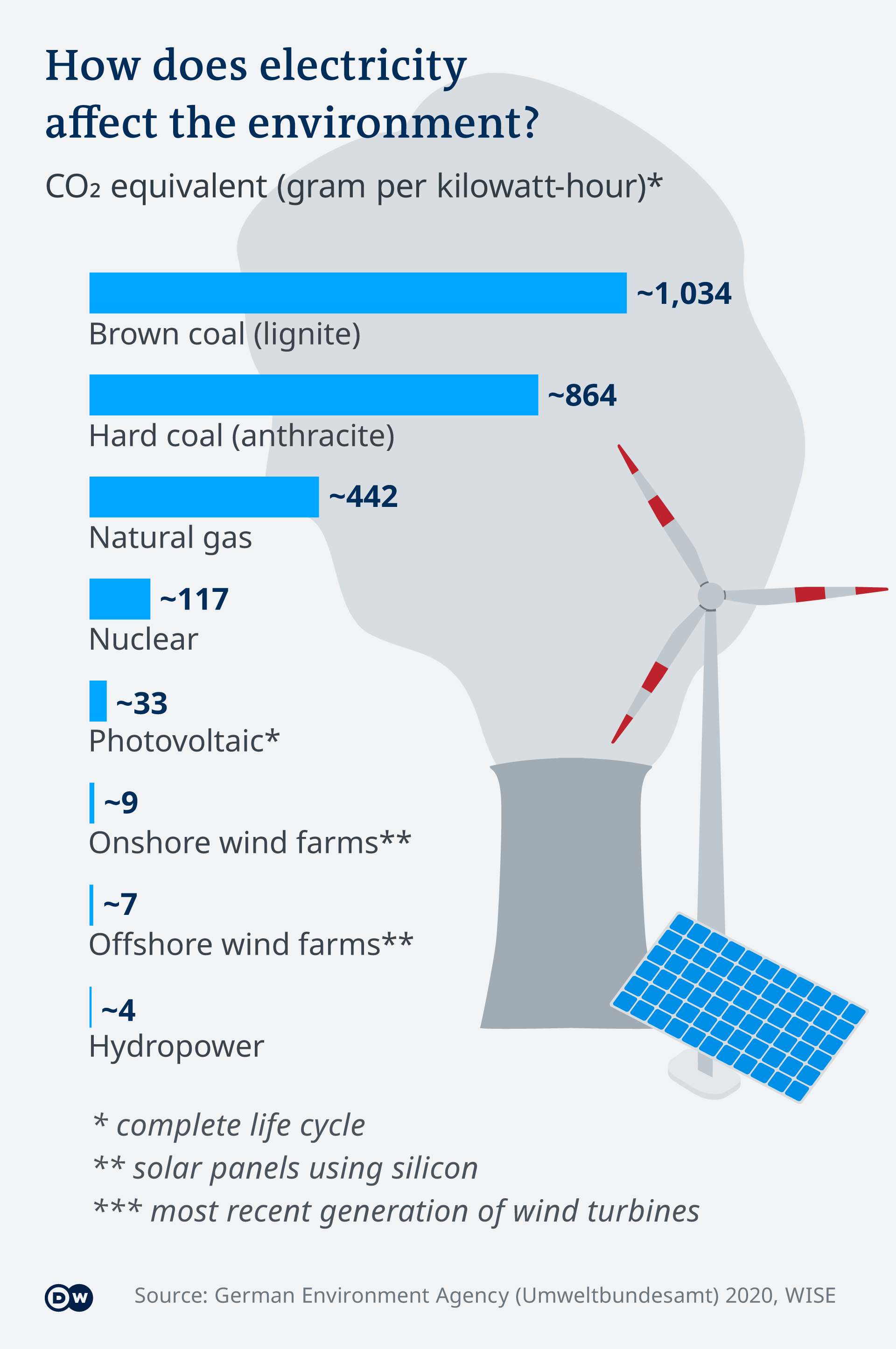
At its core, nuclear power is all about generating electricity by harnessing the energy released from nuclear fission. Think of it as a super-charged, controlled chain reaction where atoms are split, releasing heat that boils water, creates steam, and spins a turbine connected to a generator. Voila! Electricity! The big benefit here is that, unlike coal or gas-fired power plants, nuclear power doesn't directly release greenhouse gases like carbon dioxide into the atmosphere during operation. That's a huge plus in our fight against climate change.
So, is it all sunshine and atomic rainbows? Not quite. One of the biggest environmental concerns associated with nuclear power is the issue of nuclear waste. The used nuclear fuel remains radioactive for thousands of years. This waste needs to be carefully stored and managed to prevent it from contaminating the environment. We're talking about specially designed containers and long-term storage facilities. Finding suitable locations for these facilities and ensuring their safety is a complex and ongoing challenge.
Must Read
Another concern is the risk of accidents. We've all heard of Chernobyl and Fukushima, and the images of those disasters are understandably frightening. These events highlighted the potential for catastrophic environmental damage from nuclear meltdowns, releasing radioactive materials into the air, soil, and water. However, it's important to note that nuclear power plants have evolved significantly since Chernobyl. Modern reactors are built with multiple layers of safety features and are designed to prevent such accidents. Furthermore, statistically, nuclear power, even including the accidents, has a lower death rate per unit of energy produced than coal, oil, or even some forms of renewable energy like hydroelectric, when considering dam failures.
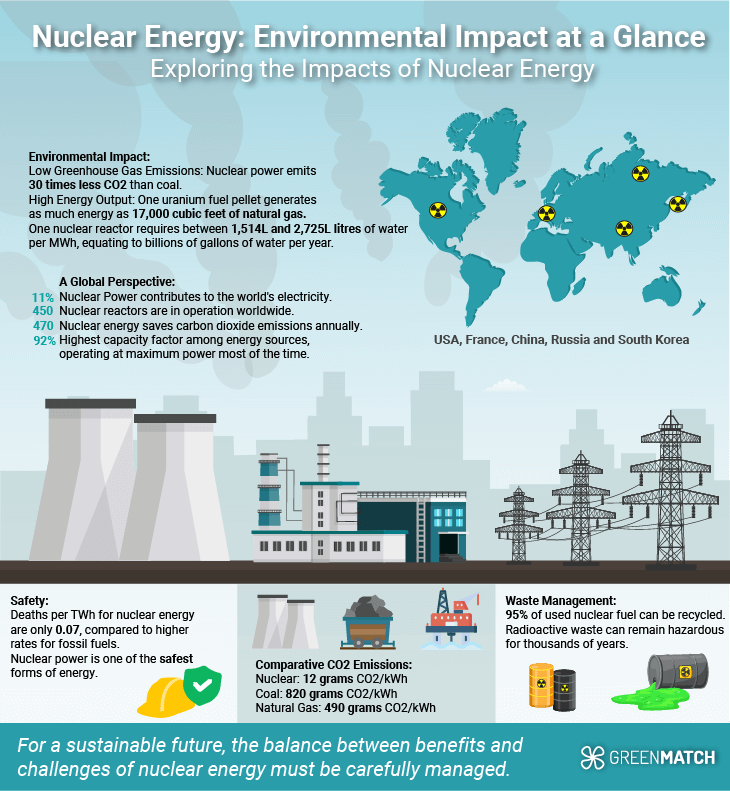
What about the resources needed to fuel a nuclear power plant? Uranium is the primary fuel source, and mining uranium can have its own environmental impacts, including habitat destruction and water pollution. However, the amount of uranium needed to power a nuclear plant is relatively small compared to the amount of fossil fuels needed to generate the same amount of electricity. Furthermore, research is underway on advanced reactor designs that could use other fuel sources or even recycle used nuclear fuel, reducing the need for mining.
Ultimately, the question of whether nuclear power is harmful to the environment is a complex one with no easy answer. It's a balancing act. On one hand, it offers a low-carbon alternative to fossil fuels, helping us combat climate change. On the other hand, it presents challenges related to waste disposal and the potential for accidents. As technology advances and safety regulations improve, nuclear power may become an even more viable and environmentally responsible energy source. It's a conversation we need to keep having, carefully weighing the risks and benefits to ensure a sustainable future for our planet.