
Is Nuclear Power A Fossil Fuel
Let's talk about energy, shall we? We're always trying to figure out the best ways to keep our lights on and our devices charged. Everyone knows about the usual suspects: solar, wind, and of course, those tricky fossil fuels.
Ah, fossil fuels. You know the drill. We dig up ancient squashed plants and animals, burnt to a crisp over millions of years, and then we burn 'em again. Coal, oil, natural gas – they’re like Earth’s very old, very stinky leftovers.
But what about Nuclear Power?
Now, nuclear power. That's often presented as the cool kid, right? The clean, green (mostly) machine that doesn't belch out smoke or carbon dioxide. It’s supposed to be the sophisticated answer to our energy woes.
Must Read
No burning, no nasty fumes, just a quiet, powerful hum. It sounds like science fiction, a marvel of modern engineering. We're splitting atoms, for goodness sake!
Is Nuclear Power a Fossil Fuel? A Playful Provocation!
But hold on a minute. Let’s get a little philosophical, a little silly even. What exactly is nuclear power’s secret ingredient?
It's not sunshine, it's not wind. It's uranium. And where, pray tell, do we find this magical element? We dig it out of the ground!
"Wait, we dig it up? Like... coal? And oil?"
That's right! We send in the big machines, we dig deep, and we pull this rocky stuff out of Mother Earth. It’s not just sitting around on the surface, waiting politely to be picked up.

It's buried treasure, just like those other ancient energy sources. We extract it from deep within the earth's crust, often in places far removed from where it’s actually used.
Think about it. We grab shovels, pickaxes, and huge excavators, much like our ancestors searched for coal seams. We perform a significant act of mining, moving tons of earth to get to the precious stuff.
So, both fossil fuels and nuclear fuel begin their journey to our power grid with a big, dusty hole in the ground. Both require substantial industrial effort to unearth their hidden power.
And let's consider the "fossil" part of fossil fuels. It implies something ancient, something that has been around for a very, very long time. It’s energy from a bygone era, patiently waiting beneath our feet.

Well, what about uranium? We’re not talking about a few million years here, folks. We're talking billions of years! Uranium formed during the birth of our solar system, way back when the Earth was just a fiery toddler.
If coal is ancient dinosaur compost, then uranium is like stellar dust from the very dawn of time itself. It’s the ultimate old-timer, an energy source older than dirt, quite literally!
"So, it's not just a fossil fuel, it's a super-duper-ancient, cosmic fossil fuel?"
You could say that! It makes coal look like a newborn baby in comparison. It’s been sitting there, packed with potential energy, for eons upon eons.
And then there's the "fuel" part. What do we do with uranium once we've dug it up? We process it, enrich it, and then "burn" it, in a manner of speaking.
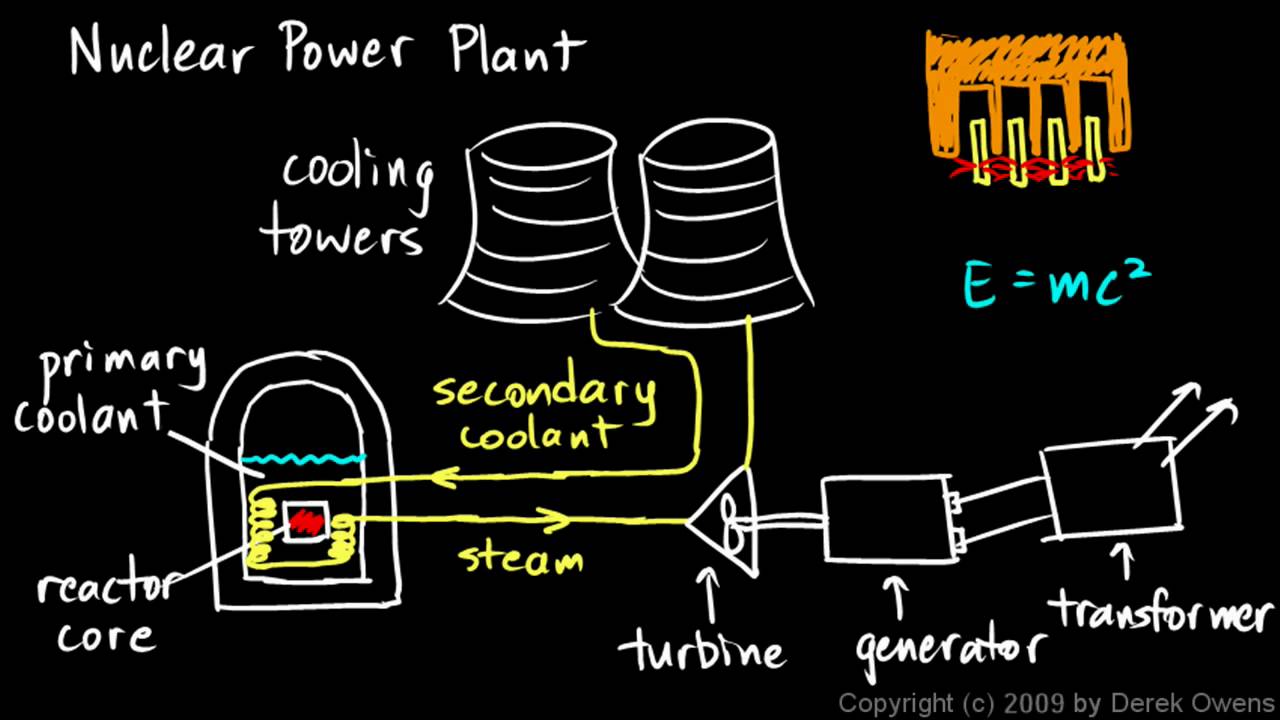
Of course, it's not chemical combustion like setting a log on fire. It's nuclear fission, a much more sophisticated dance of atoms. But the end result is still releasing stored energy to boil water and spin a turbine.
From a bird’s-eye, or perhaps a caveman’s-eye view, isn't it all just us coaxing energy out of something ancient we pulled from the earth? We're taking a buried resource and transforming it into power.
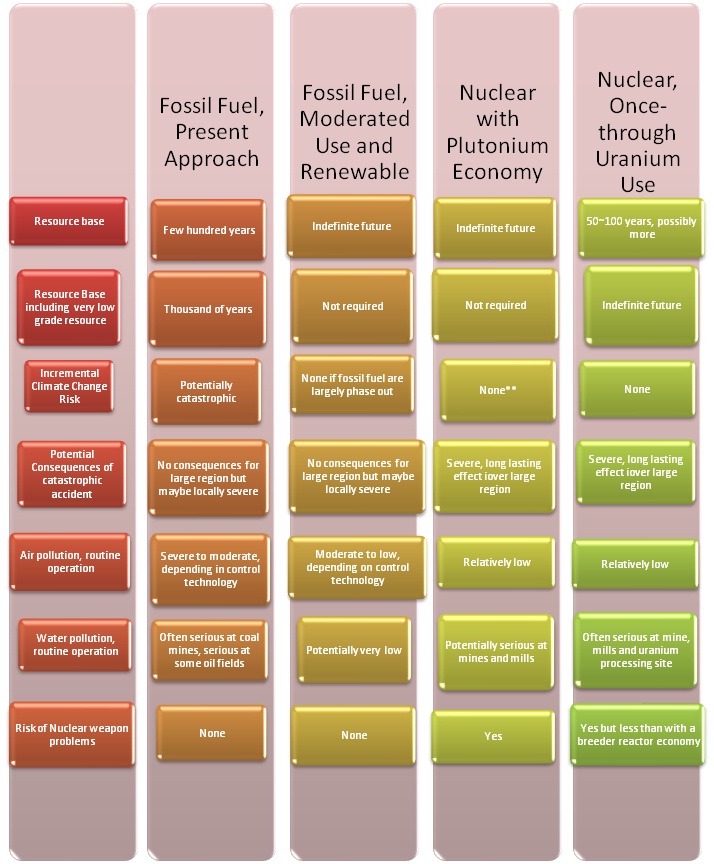
Both processes involve a finite resource. Just like we worry about running out of oil, we also have to consider the limited supply of accessible uranium. It’s not endlessly renewable, not in the human timescale anyway.
We are, in both cases, extracting natural capital that took immense geological time to form. We're dipping into Earth's energy savings account, rather than living off its daily interest (like solar or wind).
And what about the leftovers? Fossil fuels leave behind carbon emissions and ash. Nuclear power leaves behind radioactive waste, which is a whole other kettle of fish, but waste nonetheless.

Both forms of energy come with their own environmental footprints, both from the act of extraction and from dealing with what’s left over. Neither is entirely without impact on our planetary home.
So, when you strip away the fancy science words and the futuristic allure, you're left with a simple truth. Both start with digging something incredibly old out of the ground.
Both rely on a stored, finite energy source that was created long before humans walked the Earth. Both convert that stored energy into electricity for our modern lives.
Perhaps nuclear power isn't a fossil fuel in the strictest scientific sense. But maybe, just maybe, it's its ridiculously old, distant cousin, who’s been chilling underground for a few billion extra years.
It makes you wonder, doesn't it? The next time someone talks about clean energy, remember the big hole in the ground and the cosmic dust. It adds a whole new layer of ancientness to the conversation!