
Is Natural Gas Bad To Breathe
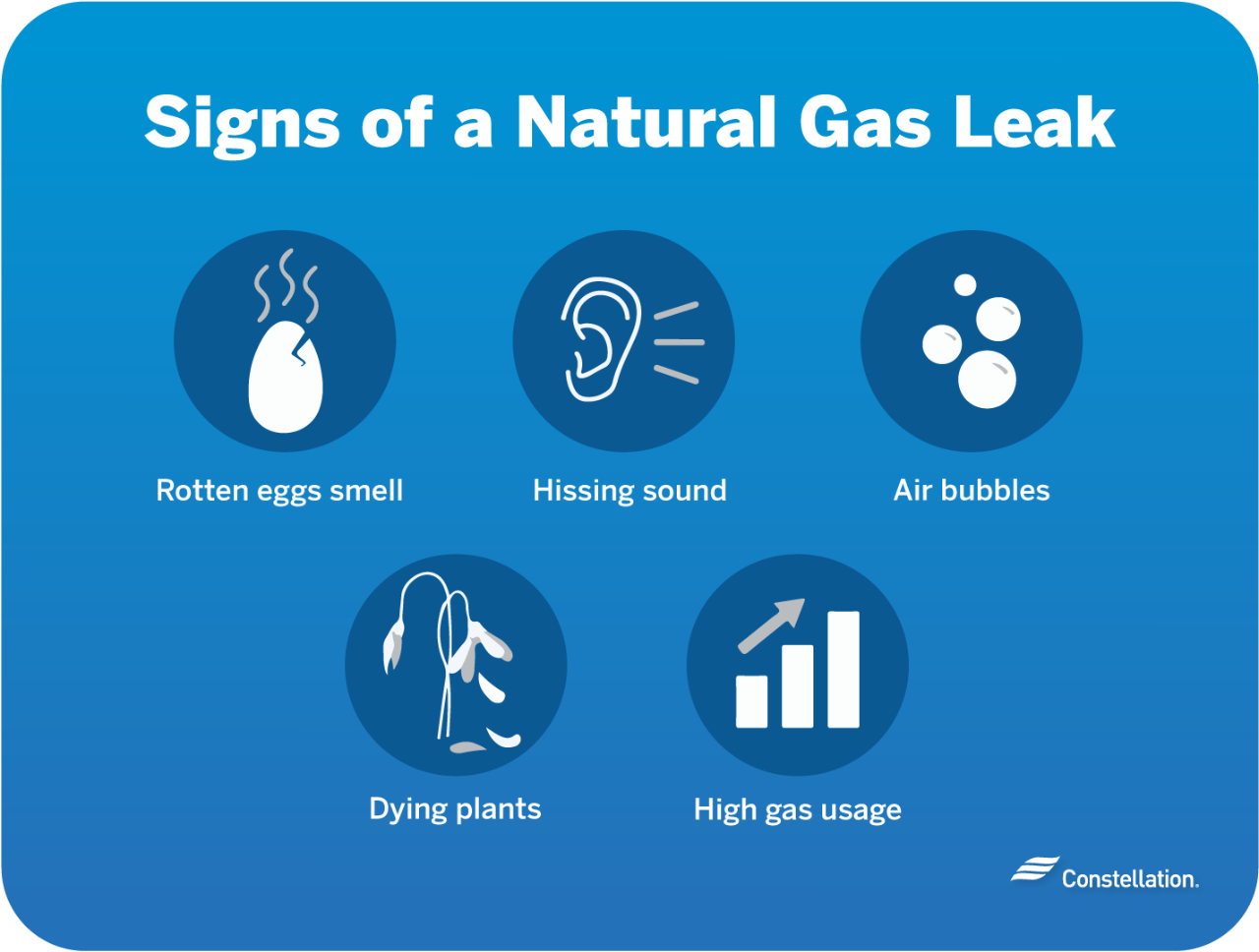
Have you ever thought about the gas that heats your home or cooks your dinner? It's called natural gas, and it’s a pretty amazing part of our modern lives. This energy source is truly special, fueling so much around us with remarkable efficiency.
It brings warmth, allows for delicious meals, and powers countless industries. Its versatility makes it a true powerhouse. Many homes and businesses rely on it daily for essential tasks.
But there’s a serious question that sometimes pops into people’s minds: Is natural gas bad to breathe? It’s a very important query, one that demands a clear answer. This question gets to the heart of understanding safety.
Must Read
The short answer is a resounding yes, it definitely is. While natural gas is incredibly useful as a fuel, it’s not meant for our lungs. Breathing it directly can be very dangerous, and potentially fatal.
It's a key safety lesson everyone should know. Understanding why it's harmful helps us appreciate the precautions we take. This knowledge empowers us to use it responsibly every day.
The Invisible Threat: What Happens When You Breathe Natural Gas
When we talk about breathing natural gas, we're mostly concerned about a few big problems. The biggest one is called asphyxiation. This sounds like a fancy word, but it just means your body isn't getting enough oxygen to survive.
Natural gas itself, when it’s raw from the pipe, doesn't contain the oxygen we need. If it fills an enclosed space, it displaces the air around us. Our bodies need a constant supply of oxygen to function properly and stay alive.
Think of it like being in a room where all the good, life-giving air has been replaced. Without that vital oxygen, your brain and cells can’t work. This can quickly lead to dizziness, confusion, and even loss of consciousness, which is terrifying.
Longer exposure to high levels of natural gas can tragically be fatal. It essentially suffocates you, silently and swiftly. That's why even a small, persistent leak needs to be taken incredibly seriously.
The danger is real, even if the gas itself doesn't feel or look harmful. This invisible quality is what makes it so uniquely challenging. It’s a powerful reminder of how delicate our bodies are.
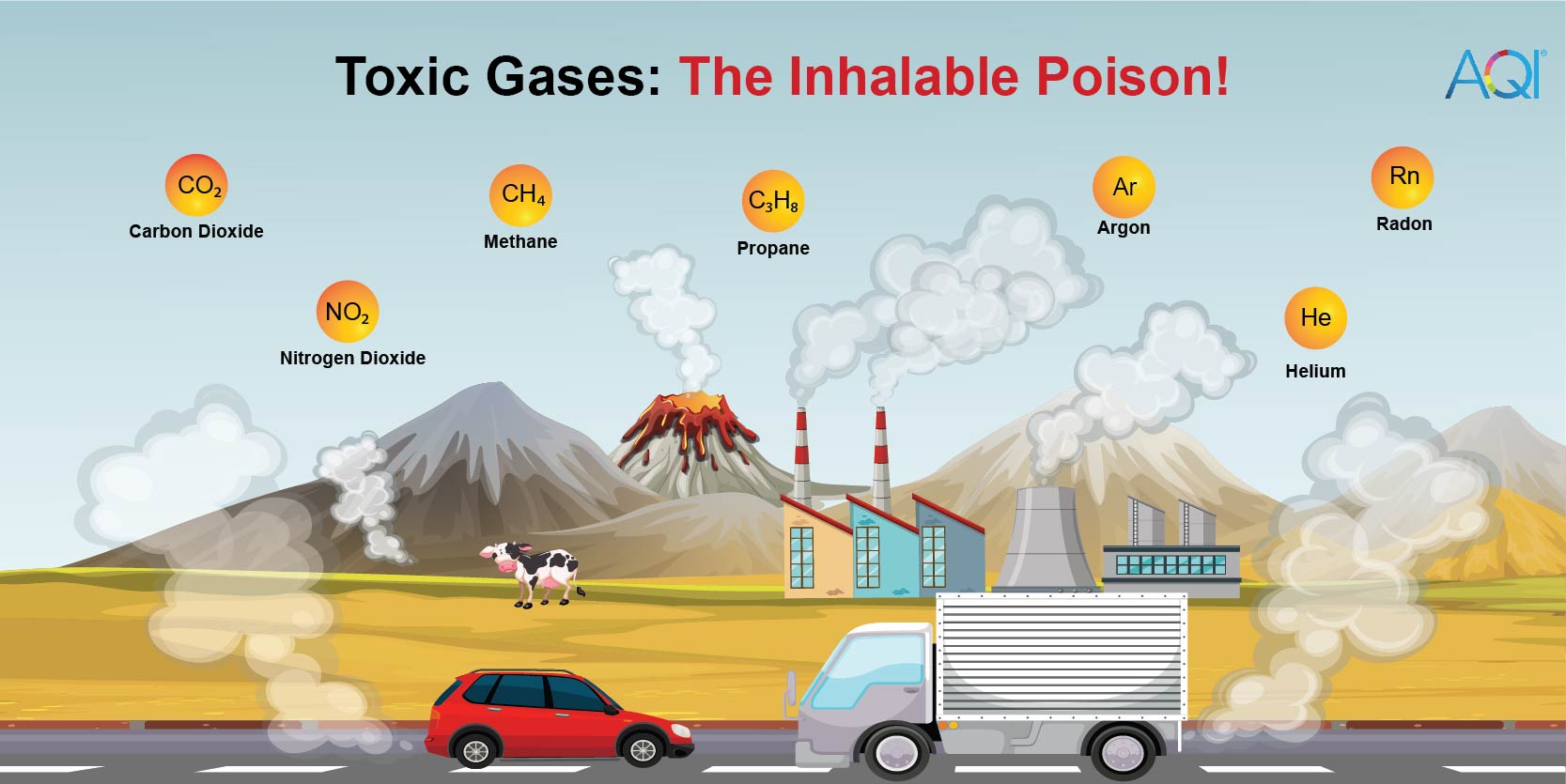
The Sneaky Culprit: Carbon Monoxide
Now, here's where it gets a bit more complex and perhaps even more concerning. Natural gas is primarily methane. Methane itself isn't directly toxic like some traditional poisons you might imagine.
However, when natural gas burns, it creates byproducts. If your gas appliances aren't working right, or if there's not enough fresh air for complete combustion, a different kind of dangerous gas can form: carbon monoxide.
Carbon monoxide is often called the "silent killer." It's truly special in how dangerous it is. It's colorless, odorless, and tasteless, making it incredibly hard to detect without special tools or a keen awareness.
This gas prevents your blood from carrying oxygen properly to your organs and tissues. Even if there's plenty of oxygen in the air, your body simply can't use it. Symptoms include headache, nausea, and extreme fatigue, often mimicking the flu.
Exposure to carbon monoxide can be deadly, even in small amounts over time. It accumulates in your bloodstream, slowly shutting down vital functions. It's a reminder that proper ventilation and appliance maintenance are super important for safety and peace of mind.
This gas is a master of disguise, which is what makes it so especially hazardous. Learning about it is both crucial and surprisingly interesting, given its stealthy nature. It highlights the clever solutions we’ve developed to combat it.
The Smart Solution: Adding an Odorant
So, raw natural gas itself is odorless. That’s a bit of a problem for safety, right? How would anyone know if there was a dangerous leak without a sensory cue?
This is where human ingenuity and a clever solution truly shine! To make natural gas safe for everyday use, utility companies add a special chemical to it. This chemical is called mercaptan.

Mercaptan gives natural gas that distinctive, powerful rotten-egg smell. It's strong, unmistakable, and utterly unforgettable, a true hero in disguise. This pungent smell is your earliest and most reliable warning sign.
Imagine if it didn't smell! Leaks would be far more dangerous and go undetected for longer. That added smell is a brilliant safety feature, making something invisible become very obviously present and urgent.
It transforms a potential unseen hazard into something you simply cannot ignore. That powerful odor is there for a very serious reason. It's a constant, vital reminder of the gas's presence and its potential power.
When You Smell That Odor: Act Fast!
If you ever smell that strong, sulfur-like odor, it means one thing: natural gas is leaking. This is not a time for casual curiosity; it's a time for immediate, decisive action. Do not try to find the leak yourself or investigate its source.
Do not turn lights on or off, and avoid using any electronics, including cell phones, inside the house. Any tiny spark could ignite the accumulated gas, leading to a catastrophic explosion. This is a critical safety instruction.
The very best thing to do is evacuate immediately. Get everyone out of the house and to a safe distance, away from the building. Then, from a neighbor's house or your cell phone once you are safely outside, call your gas company's emergency line or 911 without delay.
Taking quick, decisive action protects lives and property, preventing a small problem from becoming a disaster. It's an instance where being informed and prepared makes all the difference. Respecting the gas means knowing exactly how to respond when its warning signal appears.
The Safety Stars: Carbon Monoxide Detectors
Even with the added odor providing a warning for gas leaks, carbon monoxide remains a significant threat if gas appliances malfunction. This is why a special device is absolutely essential in every home with gas appliances.

We’re talking about carbon monoxide detectors. These little gadgets are true lifesavers, working silently in the background. They actively monitor the air for this dangerous gas, even though you can't see or smell it yourself.
Think of them as your personal air quality guardians, ever vigilant. They give off a loud, piercing alarm if carbon monoxide levels rise to unsafe levels. This crucial warning gives you precious time to react and get to safety before symptoms even begin.
They are relatively inexpensive and wonderfully easy to install. Placing them near sleeping areas and on every level of your home is a super smart move. Regular testing, usually with a button, ensures they are always ready to protect you and your family.
It's fascinating how a simple device can detect something so elusive and deadly. This technology is truly special, giving us immense peace of mind. It’s a small investment for huge, life-saving safety returns for your home.
Keep Your Appliances Happy and Healthy
Proper maintenance of your gas appliances is another key player in ensuring safety. Regular checks by a qualified, professional technician ensure everything is running smoothly and efficiently. They can spot potential problems before they become dangerous hazards.
Make sure your gas stove, water heater, and furnace are all well-ventilated. Good airflow is vital to prevent carbon monoxide from building up. Never block vents or flues with furniture, drapes, or clutter, as this can be extremely dangerous.
An annual check-up isn't just a good idea; it's an essential safeguard for your home. It helps prevent both leaks and ensures efficient, complete burning of the gas. This keeps your home safe and your energy bills reasonable, a win-win situation.
It's a little like taking your car in for a regular oil change or tune-up. You wouldn't skip that important maintenance, right? Your home appliances deserve the same careful attention and professional care. They work hard for you every single day.
![Dangers of Natural Gas [Infographic] | Jim On Light](https://jimonlight.com/wp-content/uploads/2012/01/dangers-of-natural-gas-620x1741.jpg)
Understanding these simple yet crucial steps makes natural gas use not just efficient, but also fundamentally safe. It’s all about respecting the incredible power it brings into our lives. That respect ensures its many benefits truly outweigh any inherent risks.
Natural Gas: A Powerhouse with a Precaution
So, is natural gas bad to breathe? Absolutely, yes. It can cause dangerous suffocation by displacing oxygen and, if burned improperly, produce deadly carbon monoxide. These are serious facts we must always remember and respect.
But natural gas itself isn't a villain; it's a powerful and indispensable tool. It heats millions of homes, helps us cook delicious meals, and fuels vital industries. Its versatility and efficiency make it incredibly special and foundational to modern living.
The "entertainment" in understanding natural gas comes from learning about its hidden properties and the clever ways we've learned to manage its risks. Like the brilliant idea of adding that unmistakable rotten-egg smell! It's a story of human ingenuity.
It's also about empowering yourself with vital knowledge. Knowing how to react instantly to a gas leak or what a carbon monoxide detector does is incredibly powerful. This knowledge is your first line of defense, keeping you and your loved ones safe and sound.
So, while you should never intentionally breathe natural gas – that would be incredibly dangerous – you absolutely should be curious about its safe handling. Learn about your home’s gas system, emergency procedures, and safety devices. Your safety is truly worth it!
Understanding natural gas makes you smarter about your home and its hidden infrastructure. It inspires you to "check out" your safety measures today. Make sure your detectors are working, and that you know what to do in any emergency situation.
Embrace the power of natural gas responsibly, with knowledge and caution. It’s a remarkable, life-enhancing energy source that brings so much convenience. Just remember to always treat it with the profound respect it deserves, especially when it comes to the precious air you breathe.