Is My Smoke Detector Also Carbon Monoxide
Ever glance up at that little disc on your ceiling and wonder what exactly it's doing up there? For many of us, our smoke detector is just... there. It's a silent sentinel we hope we never hear go off. But here's a fun little fact that makes understanding these gadgets surprisingly useful: sometimes, that one device might be doing double, even triple, duty! Demystifying the tech in our homes, especially when it comes to safety, can be genuinely satisfying. It’s not just about knowing a neat trick; it’s about gaining real peace of mind.
So, let's talk about those vigilant little guardians. For beginners, especially new homeowners or renters, understanding your detectors is paramount. You might assume all detectors are created equal, but knowing if yours handles both smoke and carbon monoxide (CO) means you can ensure your home has the right protection without buying unnecessary extra units. For families, this knowledge is invaluable. Carbon monoxide is an invisible, odorless gas, making a functioning CO detector literally a life-saver. Knowing your existing unit covers it means one less thing to worry about, allowing you to focus on what matters most: your loved ones. Even for the casual hobbyist or anyone who loves a smart home, understanding the capabilities of your safety devices connects you more deeply to your home's infrastructure and helps you make informed choices about upgrades or replacements.
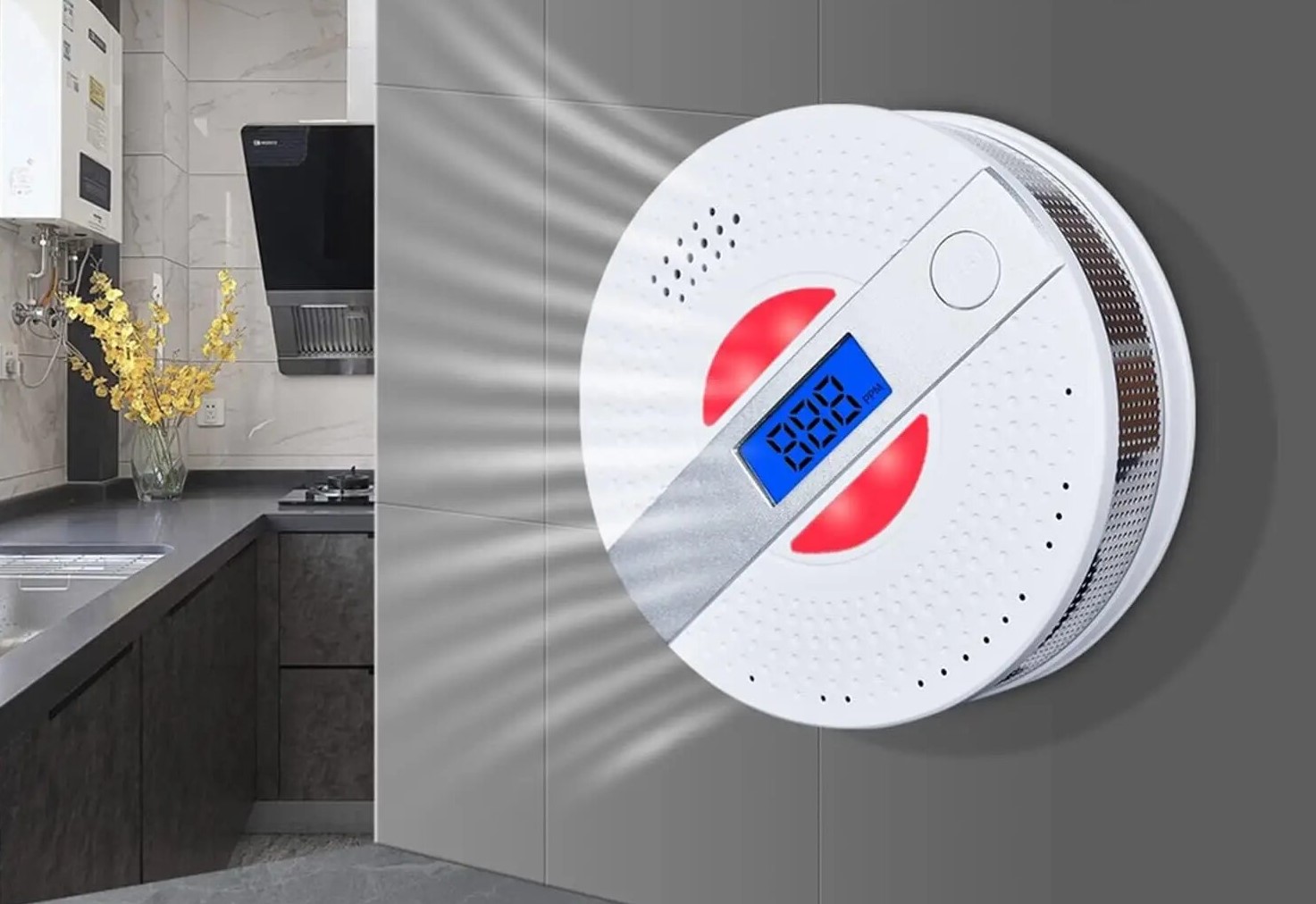
The world of home safety devices has a few variations. You might have a dedicated smoke detector, designed solely to alert you to fires. These come in two main types: ionization (better for flaming fires) and photoelectric (better for smoldering fires). Then there are dedicated carbon monoxide detectors, which monitor CO levels. The cool part is the combination unit! These detectors house both technologies in one convenient device, often with distinct alarms for smoke and CO. Beyond that, some modern units are smart detectors, connecting to your Wi-Fi to send alerts to your phone, or interconnecting with other detectors in your home so that if one goes off, they all do. Some are hardwired into your home's electrical system with a battery backup, while others are entirely battery-operated. Each variation serves the same crucial purpose: keeping you safe.
Must Read
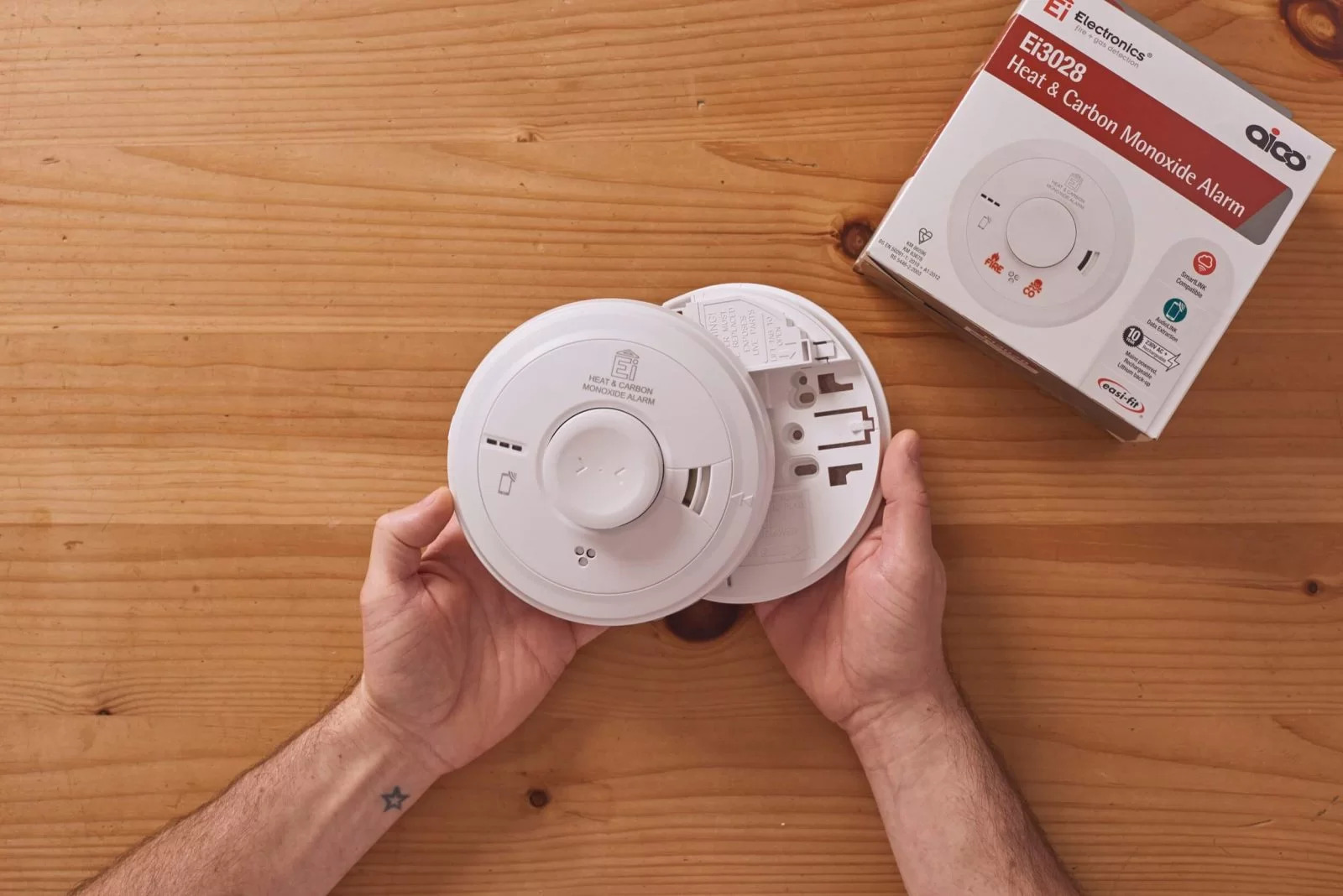
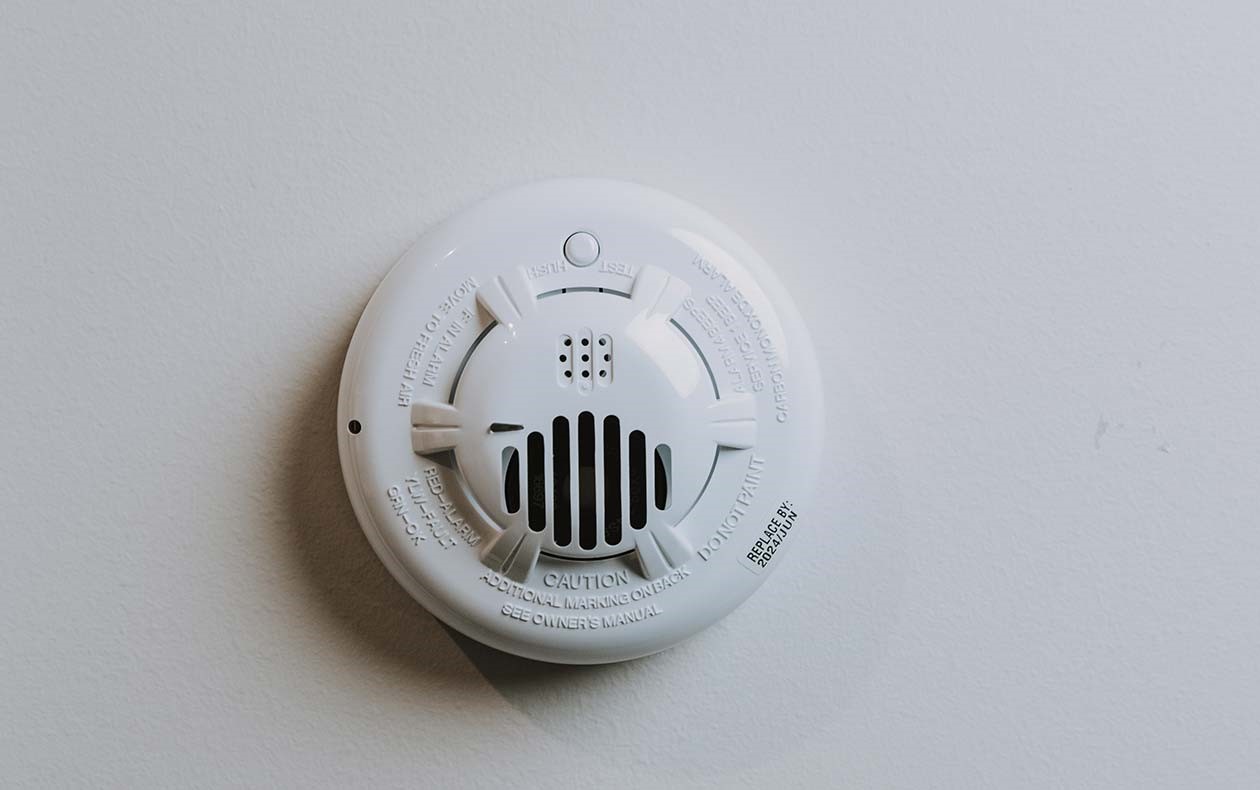
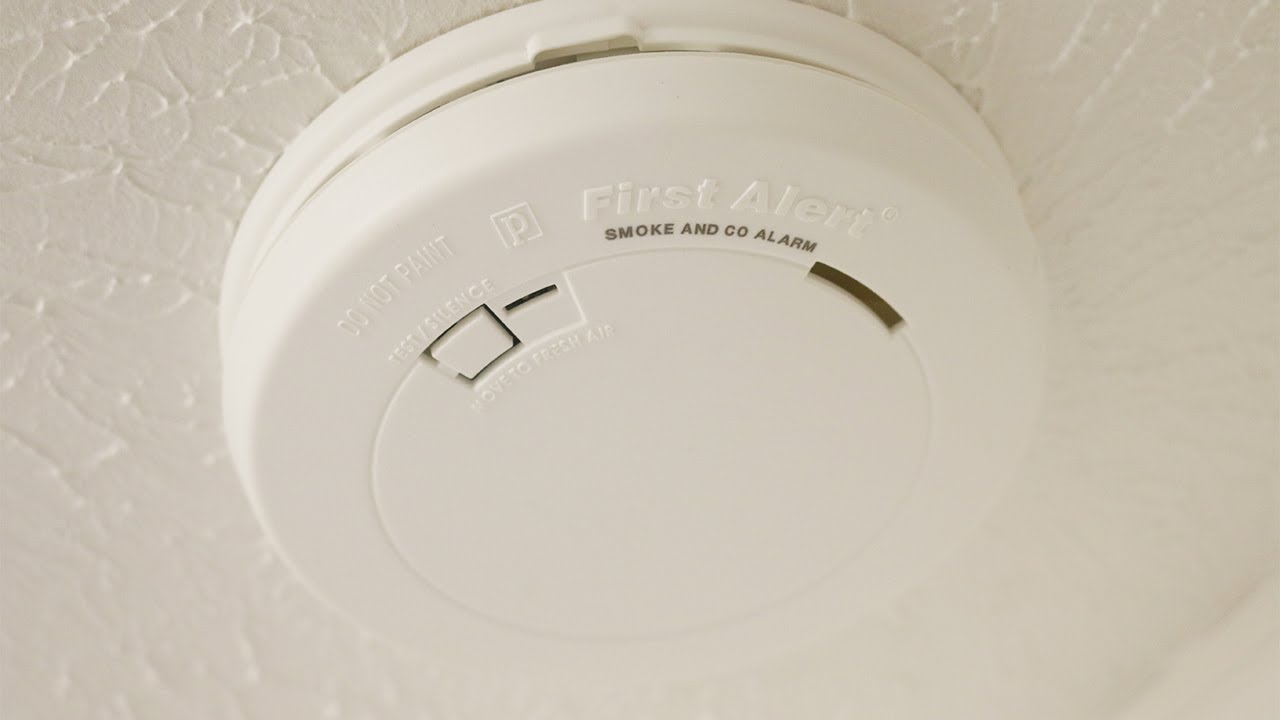
Ready to figure out what’s guarding your home? It’s surprisingly simple to get started. First, and most importantly, check the label on your existing detectors. Many combination units will clearly state "SMOKE" and "CARBON MONOXIDE" (or "CO") on the front or back. If you don't see both, you likely have a single-purpose unit. Second, make it a habit to test your detectors monthly by pressing the test button. You should hear a loud alarm, confirming they're working. Third, if your units are battery-operated or have a battery backup, change the batteries annually – a good reminder is often Daylight Saving Time. Finally, know that these devices have an expiry date! Smoke detectors typically last 7-10 years, and CO detectors often 5-7 years. Look for a "replace by" date on the unit itself. If it’s past due, it’s time for a replacement.
Taking a few moments to understand your smoke and carbon monoxide detectors isn't just about ticking off a chore list; it's about investing in your home’s well-being and your family’s safety. Knowing what's what brings a great sense of comfort and control. So go ahead, peek at that label, give that test button a press, and enjoy the added layer of peace of mind that comes with a safer, smarter home!