Is Modulus Of Elasticity The Same As Young's Modulus
Ever tried stretching a rubber band and noticed some stretch way more easily than others? Or maybe you've wondered why that super-thin spaghetti noodle snaps before you can even twirl it around your fork? Well, you've stumbled right into the playground of material properties, my friend, where Modulus of Elasticity and Young's Modulus are hanging out.
Now, I know what you’re thinking: "Modulus of… what now? Sounds like something I slept through in physics class." Trust me, I get it. But let's break it down in a way that doesn't require a PhD in Rocket Surgery.
The Big Question: Are They Twins or Just Really Good Friends?
Here’s the deal: The relationship between Modulus of Elasticity and Young's Modulus is like the relationship between squares and rectangles. All squares are rectangles, but not all rectangles are squares. Stay with me!
Must Read
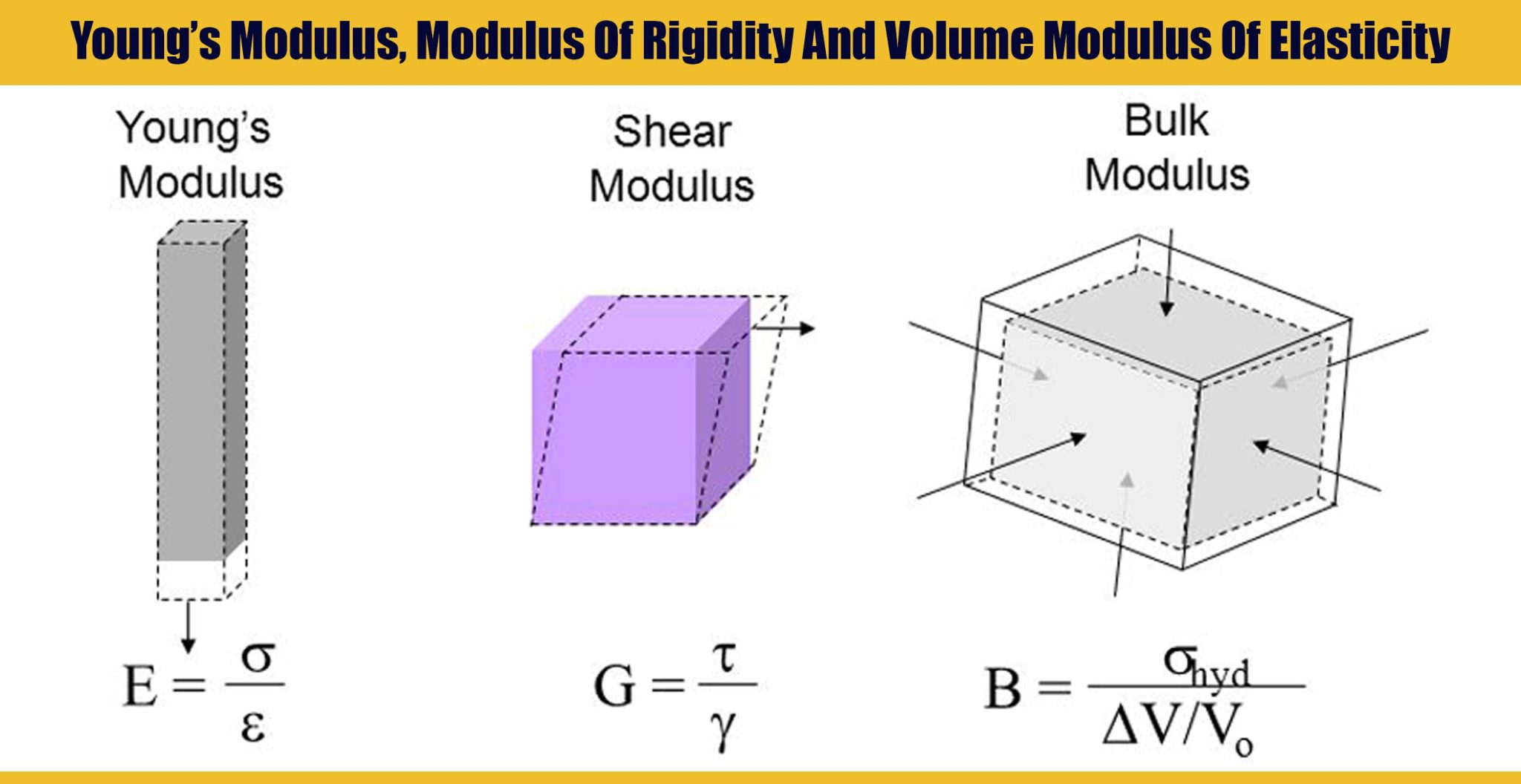
Modulus of Elasticity is the umbrella term. It's the general way we measure how stiff a material is. Think of it as the material's overall resistance to deformation when you poke, prod, or pull it. It describes how much force it takes to slightly deform something and have it bounce back to its original shape.
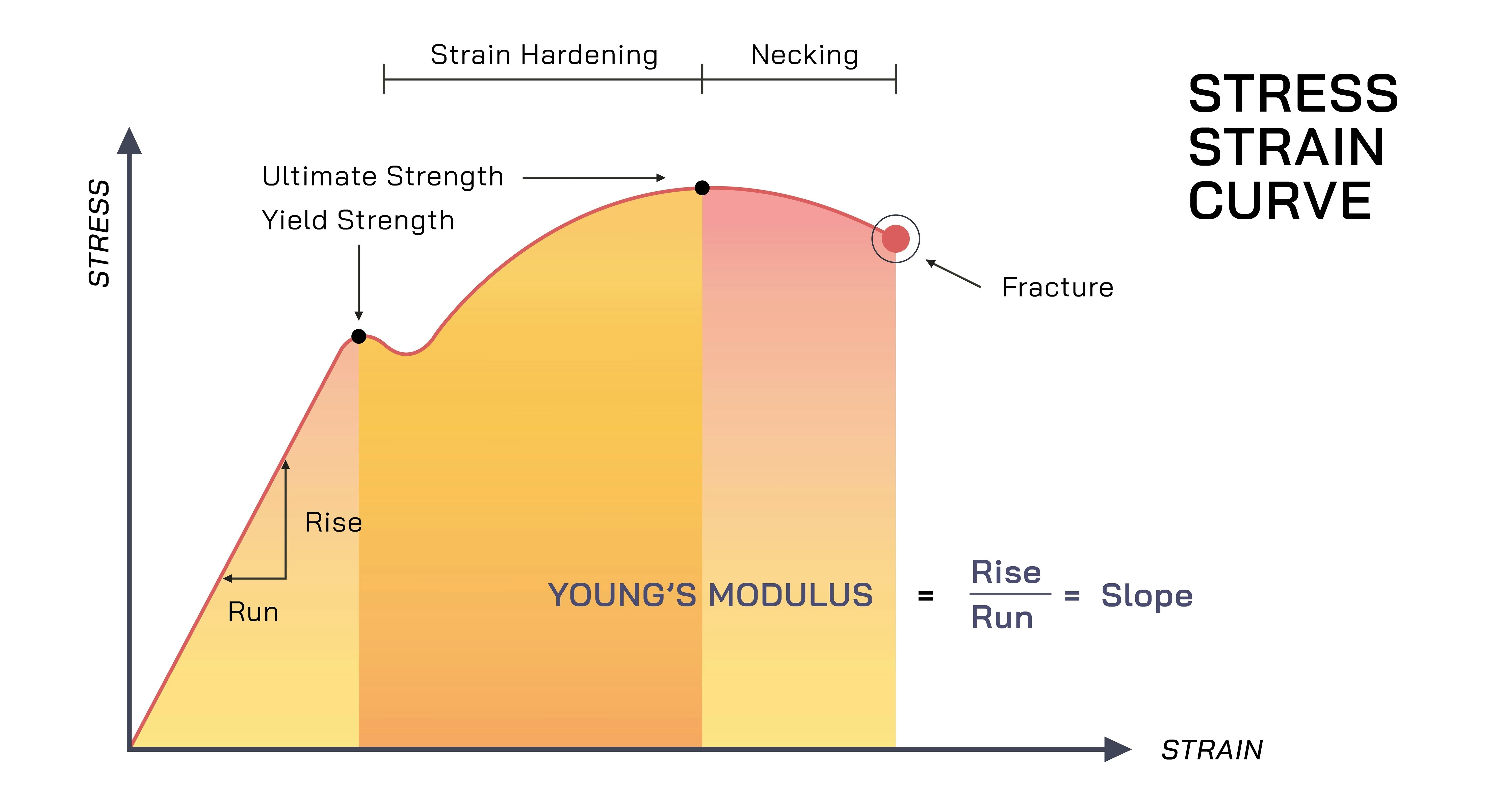
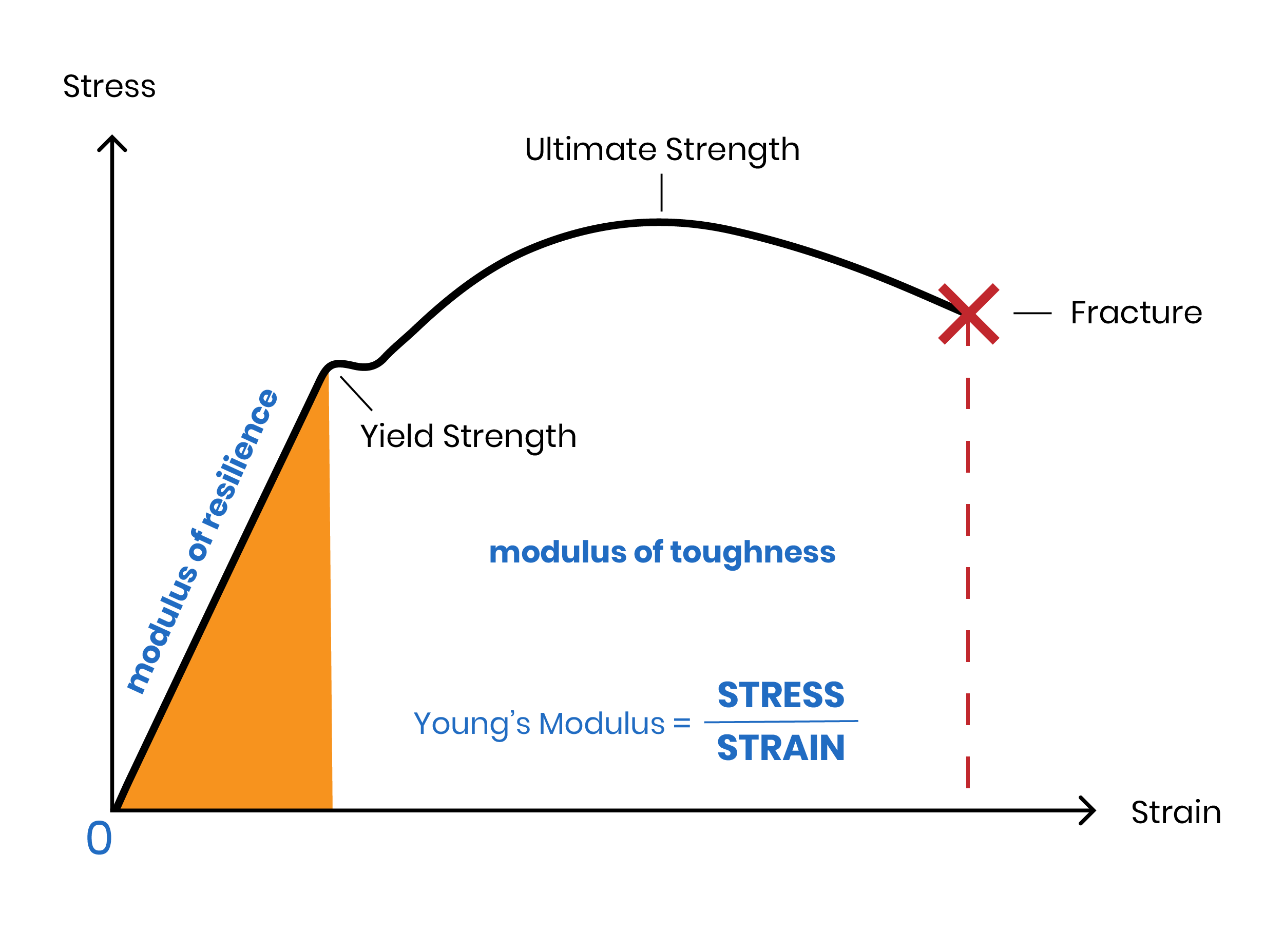
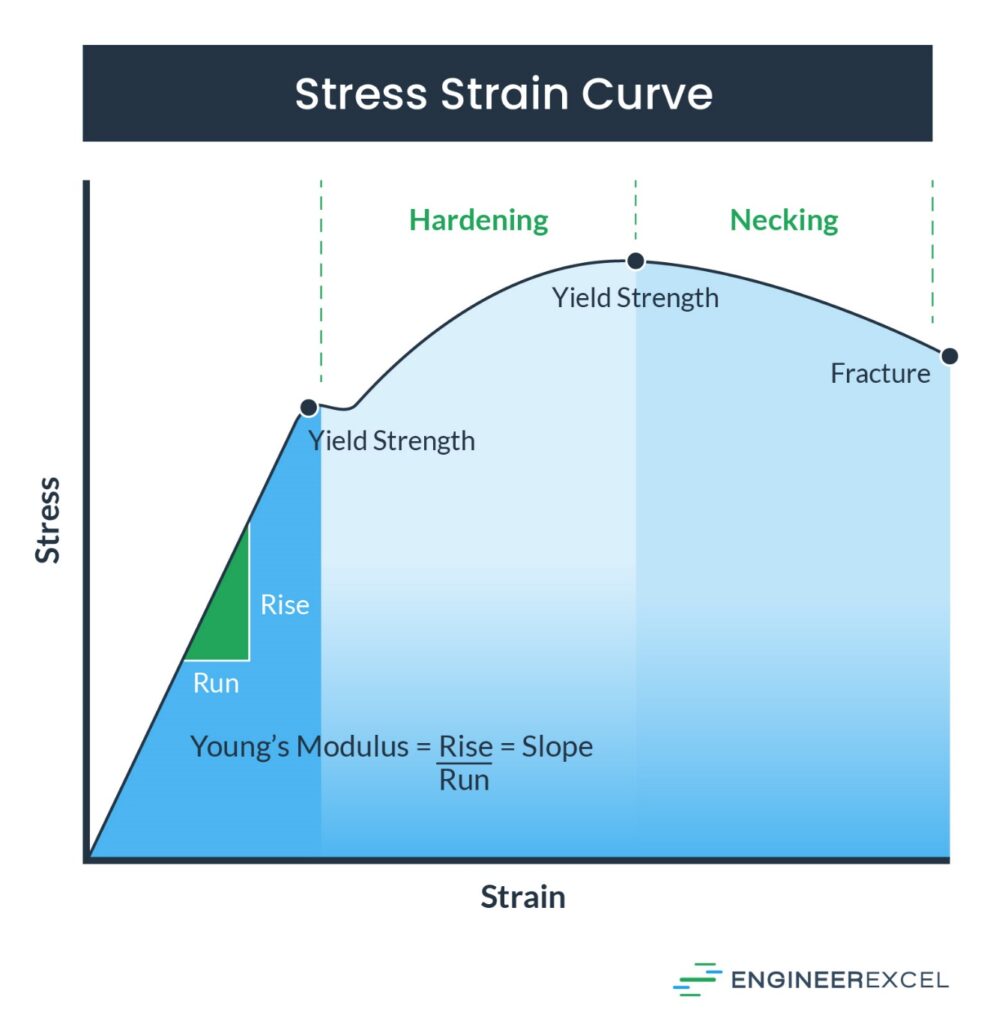
Young's Modulus? It's a specific type of Modulus of Elasticity. It's like a specialized tool in the toolbox. Think of it as the elasticity of a material when you stretch or compress it along one axis. Picture pulling on a string. Young's Modulus tells you how much that string will stretch for a given amount of force. This "pulling" or "pushing" is known as tensile (pulling) or compressive (pushing) stress.
Everyday Examples to Make You Say "Aha!"
Let’s say you’re building a super-cool treehouse. You need to know how much weight the wooden planks can handle before they start bending and potentially ruining your epic hangout spot. Young’s Modulus of the wood is going to be your new best friend here. It’ll tell you how much the planks will bend under a certain load, giving you a good idea of how many of your buddies can safely join you for a summit.
Or, consider that annoying squeaky door hinge. You might need to know how much you can twist a small metal rod before it bends. Now we're looking at Shear Modulus, another type of Modulus of Elasticity. It deals with deformation caused by twisting or shearing forces.

Remember that rubber band we talked about earlier? Each one has a different resistance to stretching. That resistance is its Young's Modulus. A higher Young's Modulus means it’s harder to stretch.
So, When Do I Need to Know This Stuff?
Honestly, unless you're designing bridges, airplanes, or inventing the next super-strong polymer, you might not need to calculate these values daily. But understanding the basic concept can be surprisingly helpful in everyday life. For example:
- Choosing the right materials for a DIY project
- Understanding why certain objects break under certain conditions
- Impressing your friends at parties with your newfound knowledge (results may vary)
The key takeaway here is that Young's Modulus is a specific measure of elasticity related to stretching or compressing, while Modulus of Elasticity is the broader term encompassing different types of deformation.
The Bottom Line
Think of Modulus of Elasticity as the whole family of elasticity measurements. Young's Modulus is just one member of that family, specializing in how things stretch or squish.
So, the next time you’re wrestling with a stubborn jar lid or admiring a skyscraper, remember the invisible forces at play and the importance of understanding how things bend, stretch, and resist. You might just impress yourself (and maybe a few others) with your newfound understanding of elasticity!