
Is Michael Jackson Still Alive Instagram
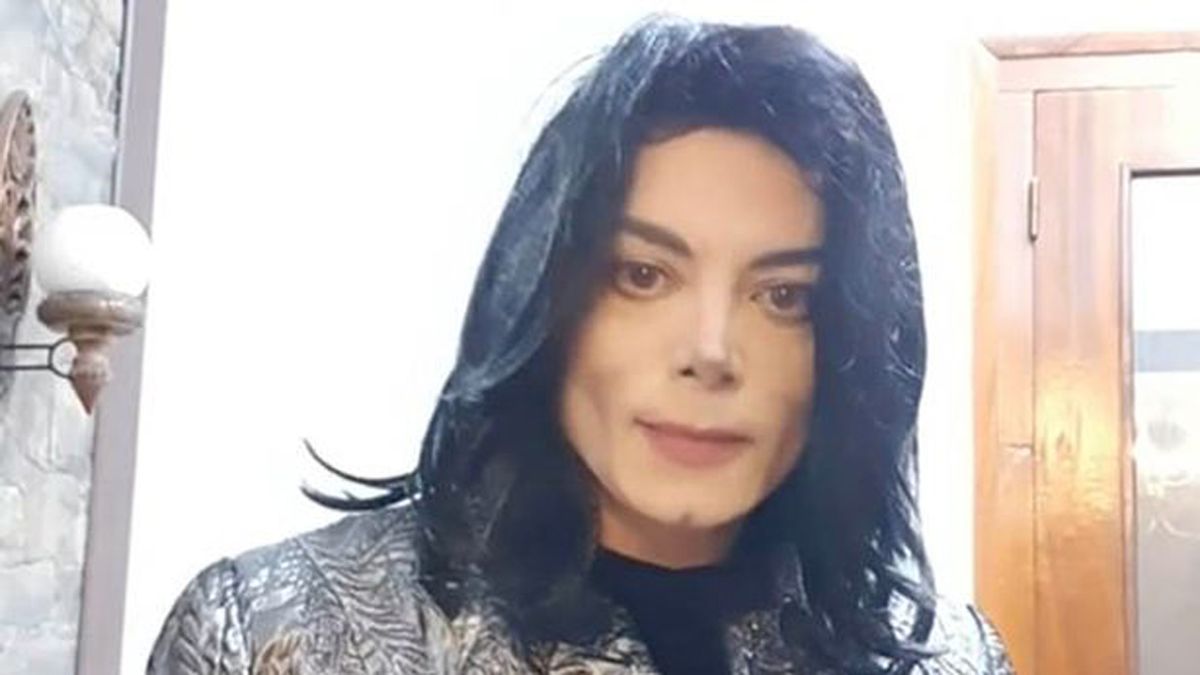
Okay, let's dive into something a little... unusual. We all know the King of Pop, Michael Jackson. His music shaped generations, his dance moves are legendary, and his impact on pop culture is undeniable. But even years after his passing, a rather persistent and, let's be honest, slightly wild theory persists: Is Michael Jackson still alive? And more specifically, how does this theory manifest itself on Instagram?
Now, before you roll your eyes, hear me out. Exploring this phenomenon isn't about believing outlandish claims. It's about understanding internet culture, how conspiracy theories spread, and the power of suggestion – all viewed through the lens of a pop culture icon. Plus, it's just plain fascinating to see what people come up with!
So, what's the deal with "Michael Jackson Still Alive Instagram?" Essentially, it's a collection of accounts and hashtags dedicated to "evidence" suggesting that Michael Jackson didn't actually die in 2009. These accounts meticulously analyze photos, videos, and even audio recordings, looking for anything that could be interpreted as a sign of his continued existence. Think blurred figures in the background of unrelated videos, supposed coded messages in songs, or uncanny resemblances in random people's photos. The purpose, at least for the believers, is to uncover the "truth." For others, it's a form of elaborate role-playing or creative storytelling.
Must Read
The "benefits?" Well, beyond the sheer entertainment value, exploring these accounts can be a surprisingly good exercise in critical thinking. You're forced to analyze arguments, evaluate evidence (often flimsy at best), and recognize the power of confirmation bias. It's a real-world example of how easily misinformation can spread and how quickly people can jump to conclusions based on incomplete or misinterpreted data.
Consider this: in education, a teacher could use these accounts as a case study in media literacy. Students could analyze the "evidence" presented, identify logical fallacies, and discuss the psychological factors that make people susceptible to conspiracy theories. In daily life, engaging with these accounts (with a healthy dose of skepticism) can sharpen your ability to question what you see online and to be more discerning about the information you consume. It’s a great way to practice identifying fake news.
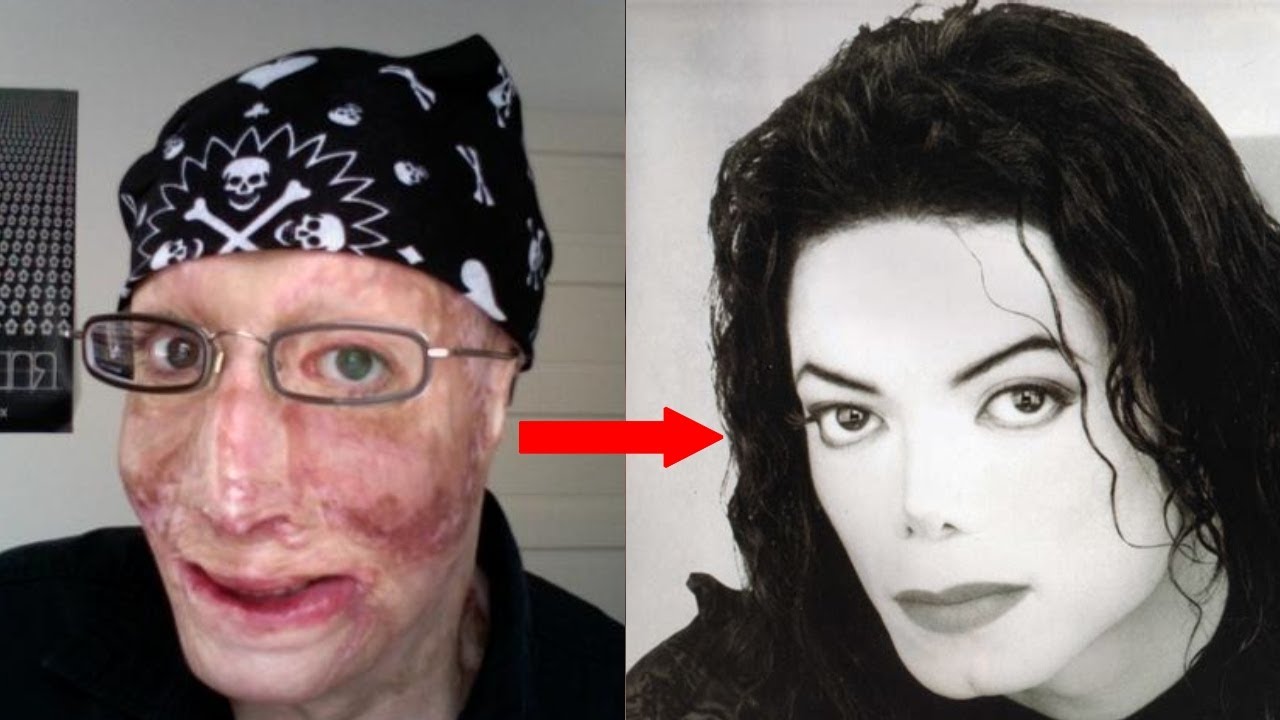
For example, you might see a photo of someone who vaguely resembles Michael Jackson. A "still alive" account might claim it's definitive proof. But by applying critical thinking, you can ask questions: Where did the photo come from? Is there any corroborating evidence? Could it simply be someone who looks similar? What are the chances that someone could successfully fake their death and live in hiding for years without being discovered?
So, how can you explore this strange corner of Instagram? Simply search for hashtags like #MichaelJacksonAlive, #MJisAlive, or #MichaelJacksonHoax. Be prepared to encounter a lot of speculation and unsubstantiated claims. Remember to approach it with a sense of curiosity and a healthy dose of skepticism. Don't take anything at face value, and always look for reliable sources to verify information. Think of it as a fun, albeit bizarre, exercise in critical thinking and internet awareness. You might be surprised by what you learn about the power of suggestion and the enduring legacy of the King of Pop.


