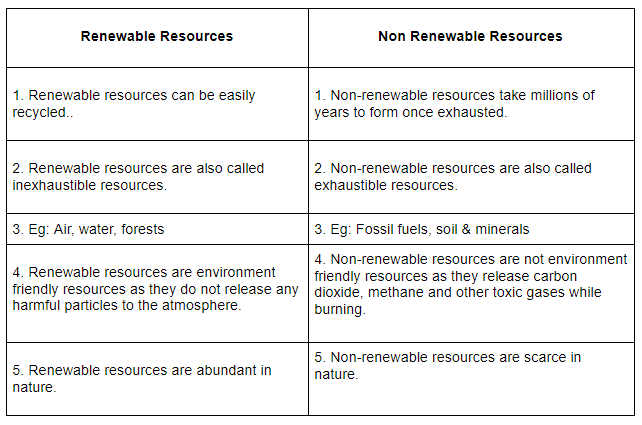
Is Limestone A Renewable Or Nonrenewable Resource

Hey there, rock enthusiasts (and soon-to-be rock enthusiasts)! Ever stopped to think about the amazing stuff that makes up our world? I mean, seriously, look around! Buildings, roads, even that cute little garden gnome – chances are, limestone plays a part. But have you ever wondered: Is limestone a renewable or nonrenewable resource? Get ready, because we're about to dive into the fascinating world of rocks and resources!
So, what is limestone anyway? Think of it as nature's ultimate building block. It's a sedimentary rock, primarily composed of calcium carbonate (CaCO3) – basically, the stuff seashells and coral are made of. Fancy, right?
The Million-Dollar Question: Renewable or Nonrenewable?
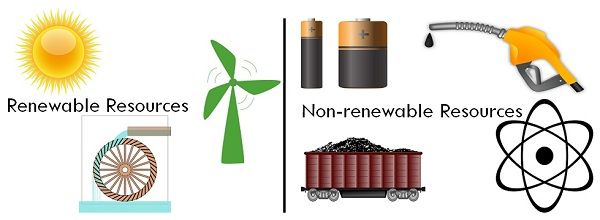
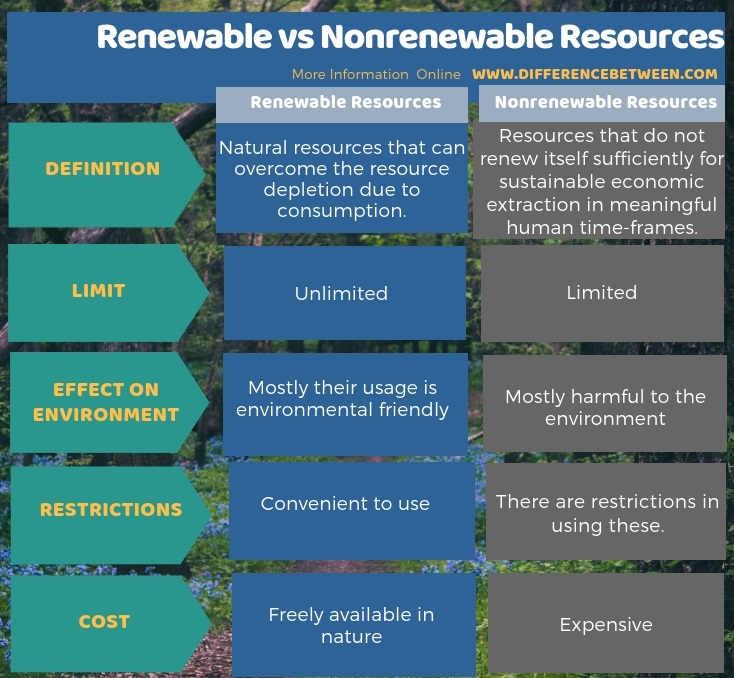
Alright, let's get down to brass tacks. Is limestone something we can keep using forever without worry, or are we going to run out? Drumroll, please… Limestone is generally considered a nonrenewable resource.
Must Read
“Gasp! Nonrenewable? What does that even mean?” I hear you cry! Well, it simply means that it takes geological timescales – think millions of years – for limestone to form. We're talking about the slow and steady accumulation of marine organisms over eons! We use it much faster than it can naturally replenish.
Think of it like this: imagine you have a giant piggy bank filled with, say, jellybeans (yum!). That's your limestone reserve. Now, the piggy bank slowly gets refilled, like, one jellybean every century. If you're scooping out handfuls of jellybeans every day (because, let's face it, who wouldn't?), you're going to empty that piggy bank way faster than it refills. That's basically what we're doing with limestone.
But Wait, There's Hope! (and Geologic Time)
Okay, okay, it's nonrenewable, but don't despair! It's not quite as doom-and-gloom as it sounds. While we can't magically make limestone appear overnight, the Earth is constantly creating more, albeit at a snail's pace. Geologic processes are still at work, dissolving and redepositing calcium carbonate.
The key takeaway here is time. Lots and lots of time. We're talking about timescales that make the lifespan of a human being look like a blink of an eye.
Plus, clever humans have figured out ways to be more sustainable with limestone. For example, we can recycle concrete (which often contains limestone) and use it in new construction projects. Recycling is our friend! We're also exploring alternative building materials to reduce our reliance on limestone. Think hempcrete, timber, and even innovative uses of recycled plastics. The future is looking bright!

Why Should You Care About Limestone?
Now, you might be thinking, “Okay, that's all interesting, but why should I care about whether limestone is renewable or not?” Well, because it affects pretty much everything around you! Think about it:
- Your house: Concrete, a key component of many homes, often contains limestone.
- Roads and bridges: Limestone is used in asphalt and concrete for infrastructure.
- Agriculture: Limestone is used to neutralize acidic soils, helping farmers grow crops.
- Everyday products: From toothpaste to paper, limestone plays a surprising role.
Understanding where our resources come from, and how sustainable they are, helps us make informed choices as consumers and citizens. Knowing about limestone is not just about rocks – it's about understanding our planet and our impact on it.
And hey, learning about this stuff is just plain fun! Knowing the science behind the world around you makes everyday experiences richer and more meaningful. Next time you walk past a building, you can impress your friends with your newfound limestone knowledge! Who knows, maybe you'll even spark a conversation about sustainability and inspire someone else to care about our planet.
Ready to Rock and Roll? (and Learn More!)
So, there you have it! Limestone: a fascinating, vital, and technically nonrenewable resource. But with a little knowledge, creativity, and a commitment to sustainability, we can ensure that future generations have access to the resources they need. Isn't it amazing what you can learn?
The world is full of incredible things just waiting to be discovered. Now, go forth, explore, and keep asking questions! Your journey into the world of geology (and beyond!) has just begun. And remember, every little bit of knowledge helps us build a better, more sustainable future. You got this!