Is It Safe To Take A Shower During Lightning

Picture this: You’ve had a long day, the perfect shower awaits, and just as you step in, the sky unleashes a dramatic symphony of thunder and lightning. Suddenly, that relaxing moment is replaced by a nagging question that’s probably popped into many of our heads: “Is it actually safe to take a shower during a lightning storm?” It’s one of those everyday mysteries that feels both trivial and incredibly important, especially when a fierce storm rolls in. Learning about this isn't just a fun fact to share at your next gathering; it’s about understanding the world around us and making smart choices to keep ourselves safe in situations we often take for granted.
The purpose of digging into this topic isn't to scare you away from your beloved evening rinse, but rather to empower you with knowledge. The benefit? A clearer understanding of how lightning works and how it interacts with our homes, allowing you to confidently decide when it's okay to lather up and when it's best to wait. We often hear general advice like "stay indoors during a storm," but understanding the why behind specific precautions, like avoiding plumbing, makes the advice stick and helps us apply it effectively. It transforms a vague warning into practical, actionable safety sense, bringing a bit of scientific clarity to an otherwise dramatic weather event.
This kind of practical science finds its use in daily life by simply informing our immediate decisions. For example, knowing the risks associated with plumbing during a storm means you're less likely to be caught off guard. It's a real-world application of basic physics: electricity, conductors, and the path of least resistance. You might remember learning about electrical circuits in school; well, this is that lesson in action, playing out in your very own bathroom! Beyond showering, this knowledge extends to other activities involving wired appliances and plumbing, like washing dishes, doing laundry, or even using a corded landline phone (if anyone still has one!). It’s about building a general awareness that helps protect not just you, but also your family, by fostering a more cautious and informed approach to severe weather.
Must Read
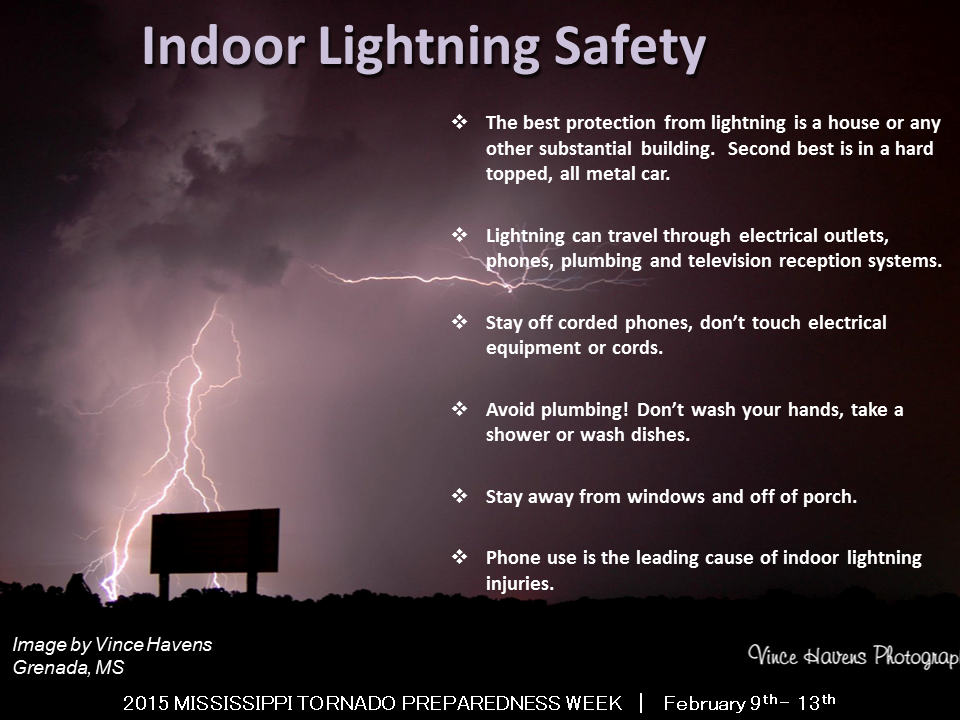
So, what are the practical takeaways and simple ways to "explore" this knowledge? The simplest rule of thumb is: when thunder roars, go indoors, and stay off the phone and out of the water! If you hear thunder, lightning is close enough to strike. That means postponing your shower or bath until the storm has passed. Give it at least 30 minutes after the last clap of thunder before resuming water-related activities. To explore further, try paying attention to local weather alerts and the advice from organizations like the National Weather Service. They often provide excellent guidance on storm safety that goes beyond just the bathroom. Remember, while lightning strikes on plumbing systems are relatively rare, the potential consequences—electrical shock or even electrocution—are severe. So, next time the sky lights up, swap your shower for a good book or a board game; your safety is always worth the wait!