Is It Normal To Smell A Little Gas Near Furnace
Okay, let's talk furnaces. Specifically, that slightly unsettling, almost phantom whiff of gas you might catch in the air near it. Is it cause for a full-blown panic attack? Or just… Tuesday? The short answer is: it depends. But before you envision your home going up in a fiery, Hollywood-style explosion, let’s break it down.
A Little Whiff, A Big Question
First off, natural gas is naturally odorless. That distinctive sulfurous, almost rotten-egg smell? That’s actually a chemical called mercaptan deliberately added by utility companies. Think of it as the canary in the coal mine – a warning signal that something might be amiss. It's there so you can detect a leak before it becomes a serious problem. Without it, we'd be relying on luck (and potentially, very sensitive noses!).
So, smelling any gas smell near your furnace isn't exactly "normal" in the sense of "expected." But a very faint, fleeting odor can occur, especially when the furnace is first turned on after a long period of inactivity, like at the beginning of the heating season.
Must Read
Possible Culprits (and What to Do About Them)
Here's a breakdown of what might be happening, ranging from "nothing to worry about (much)" to "call a professional immediately":
- Dust Burn-Off: When you first fire up your furnace after it's been sitting idle all summer, accumulated dust and debris can burn off. This can sometimes create a temporary odor that mimics a gas smell. Tip: Run your furnace for a bit with the windows open to ventilate. If the smell dissipates quickly, you're probably in the clear.
- Pilot Light Issues: Furnaces with pilot lights can sometimes have a slight gas odor if the pilot is not burning efficiently or if it's been recently relit. Tip: Check your pilot light. Is it a strong, blue flame? Or a weak, yellow one? A weak or flickering flame could indicate a problem. If you’re comfortable, try cleaning the pilot light assembly (after turning off the gas supply, of course!). If not, call a pro.
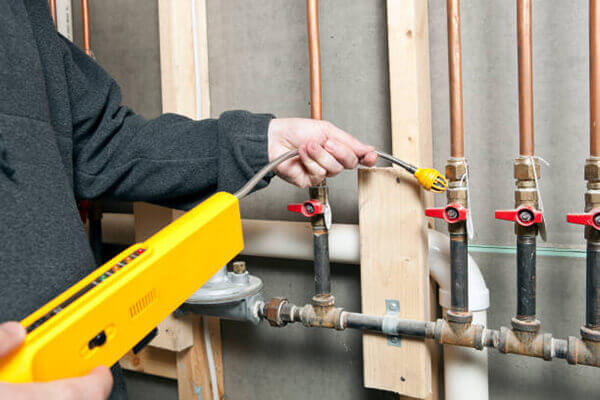
- Minor Leaks in Fittings: Tiny leaks in gas pipes or fittings are more common than you think. Tip: A simple soap-and-water test can help. Mix some dish soap with water and brush it onto the fittings. If bubbles form, you've got a leak! (Don't use a flame to check for leaks! Seriously!)
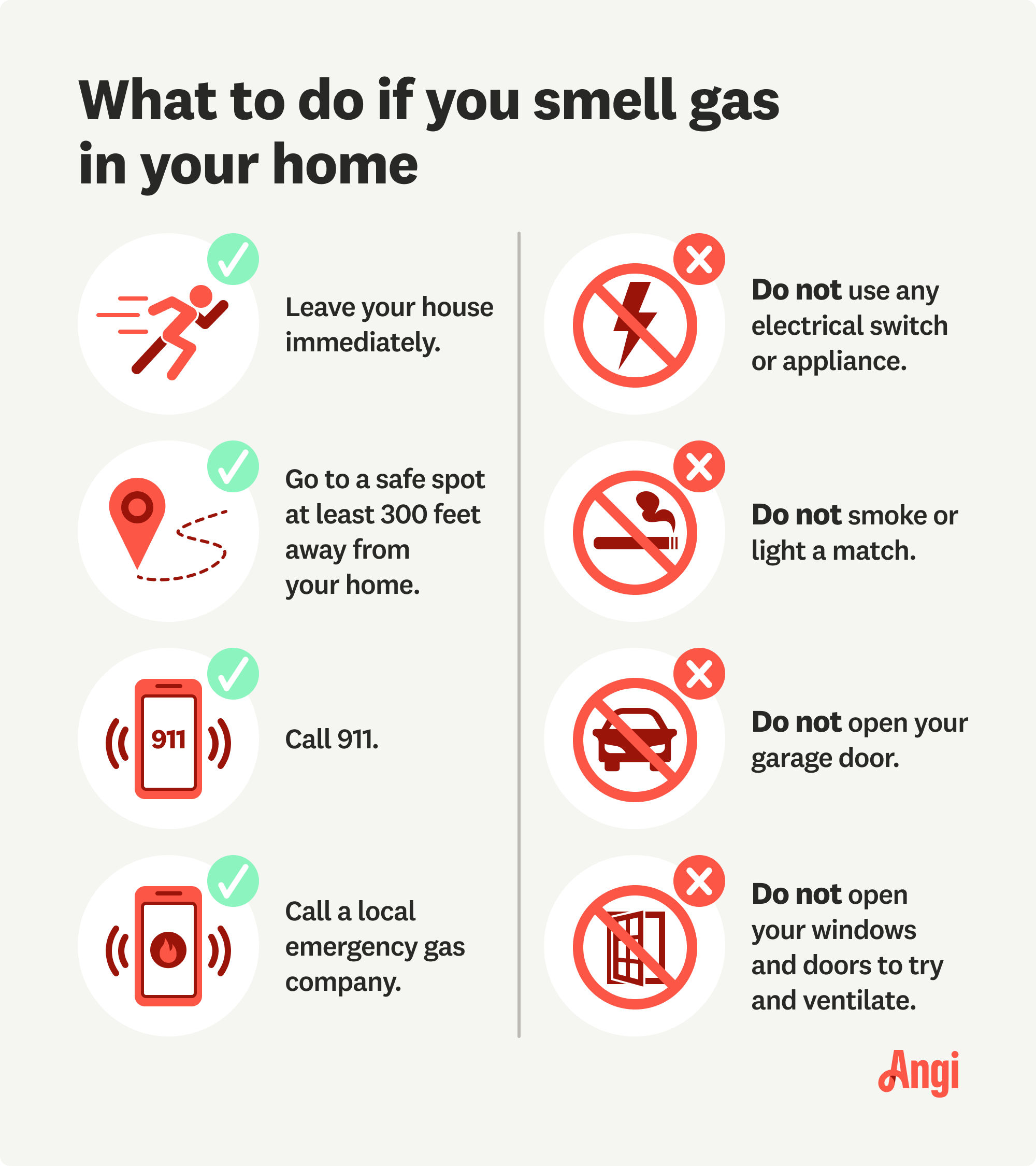
- Serious Gas Leak: This is the one you want to rule out ASAP. A strong, persistent gas odor, especially if accompanied by a hissing sound, is a red flag. Tip: Evacuate your home immediately, and call your gas company or 911 from a safe location. Do NOT use any electronics (lights, phones, etc.) inside the house, as these could potentially spark an explosion.
When to Call the Pros
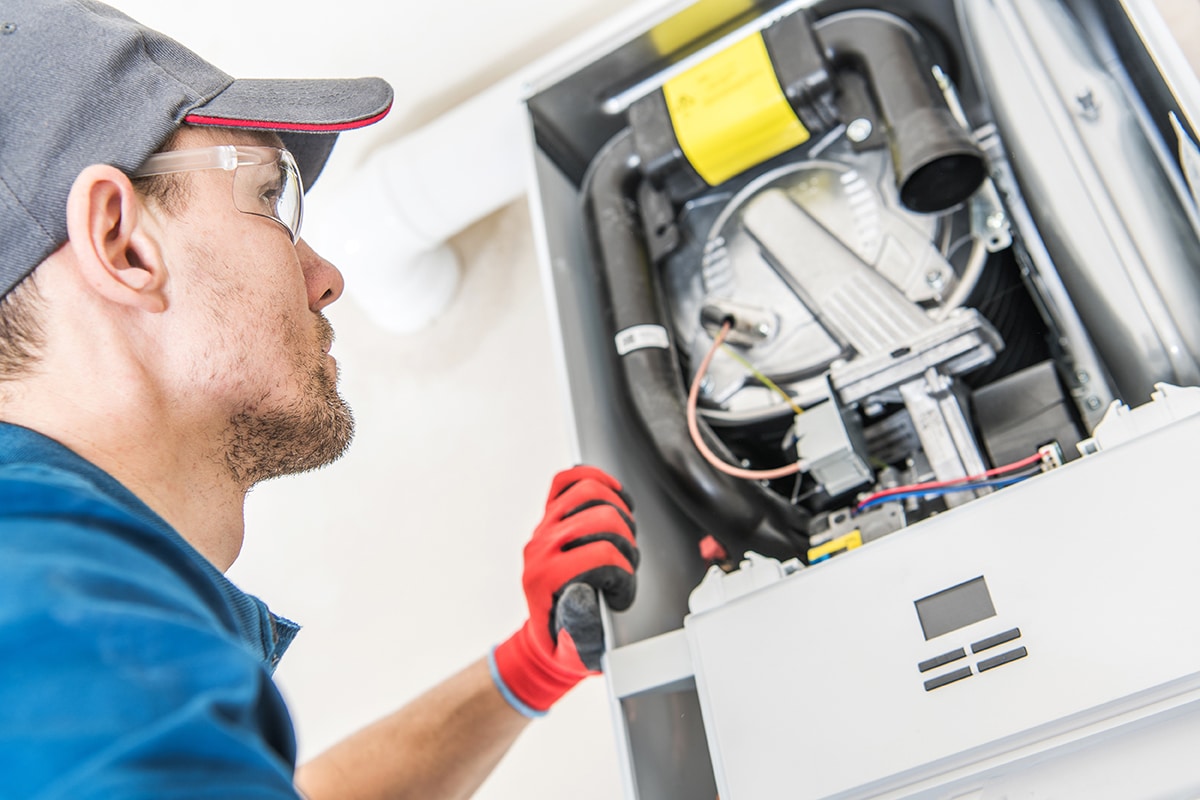
Let's be real: when it comes to gas, it's always better to err on the side of caution. If you're at all unsure about the source of the smell, or if the odor persists, call a qualified HVAC technician or your gas company. They have the tools and expertise to properly diagnose and repair any problems. Think of it like taking your car to the mechanic – sometimes, you just need a professional to take a look under the hood (or, in this case, behind the furnace panel).

Don't try to fix gas leaks yourself unless you are a qualified and licensed professional. Gas is nothing to mess with. Seriously.
A Quick Analogy
Imagine you're baking a cake. A faint whiff of vanilla? Lovely. The distinct smell of burning? A problem. Gas smells are similar. A fleeting, almost undetectable whiff? Maybe nothing. A strong, lingering odor? Time to take action.

Remember: Your sense of smell can change throughout the day, so trust your gut. If something smells "off," it probably is.
Putting It All Together
That faint gas smell near your furnace might be nothing serious, but it's crucial to investigate and rule out any potential dangers. Knowing the possible causes and taking prompt action can ensure your home stays safe and warm all winter long.
In the grand scheme of things, a little awareness goes a long way. Just like we check our smoke detectors, keeping an eye (and nose) on our furnace helps maintain a safe and comfortable home environment. So, take a sniff, investigate if needed, and enjoy the cozy warmth your furnace provides (safely, of course!).