Is It More Energy Efficient To Leave Heat On
Let's talk about heating! Specifically, that age-old question that probably pops into your head every winter: is it actually better to leave the heat on a low setting when you're out, or should you crank it down (or even off) completely? It's a fun debate because everyone seems to have a strong opinion, and it's incredibly useful knowledge that can actually save you money and make your home more comfortable.
The reason this is so popular is simple: nobody wants to waste money on heating bills! Whether you're a complete beginner just trying to survive your first winter in a new place, a family juggling budgets, or a hobbyist obsessed with energy efficiency, understanding heating strategies is a win-win. For beginners, it's about grasping the basic concepts of heat loss and energy use. For families, it's about finding the sweet spot between comfort and affordability. And for the energy-conscious hobbyist, it's about optimizing every little detail for maximum savings and minimal environmental impact.
So, what's the deal? The general consensus leans towards not turning your heat completely off when you leave for extended periods, especially in colder climates. Why? Because it takes significantly more energy to reheat a completely cold house than it does to maintain a steady, lower temperature. Imagine trying to push a car that's stopped versus keeping a car rolling slowly – similar principle! Your heating system has to work overtime to overcome the initial inertia of a frozen house.
Must Read
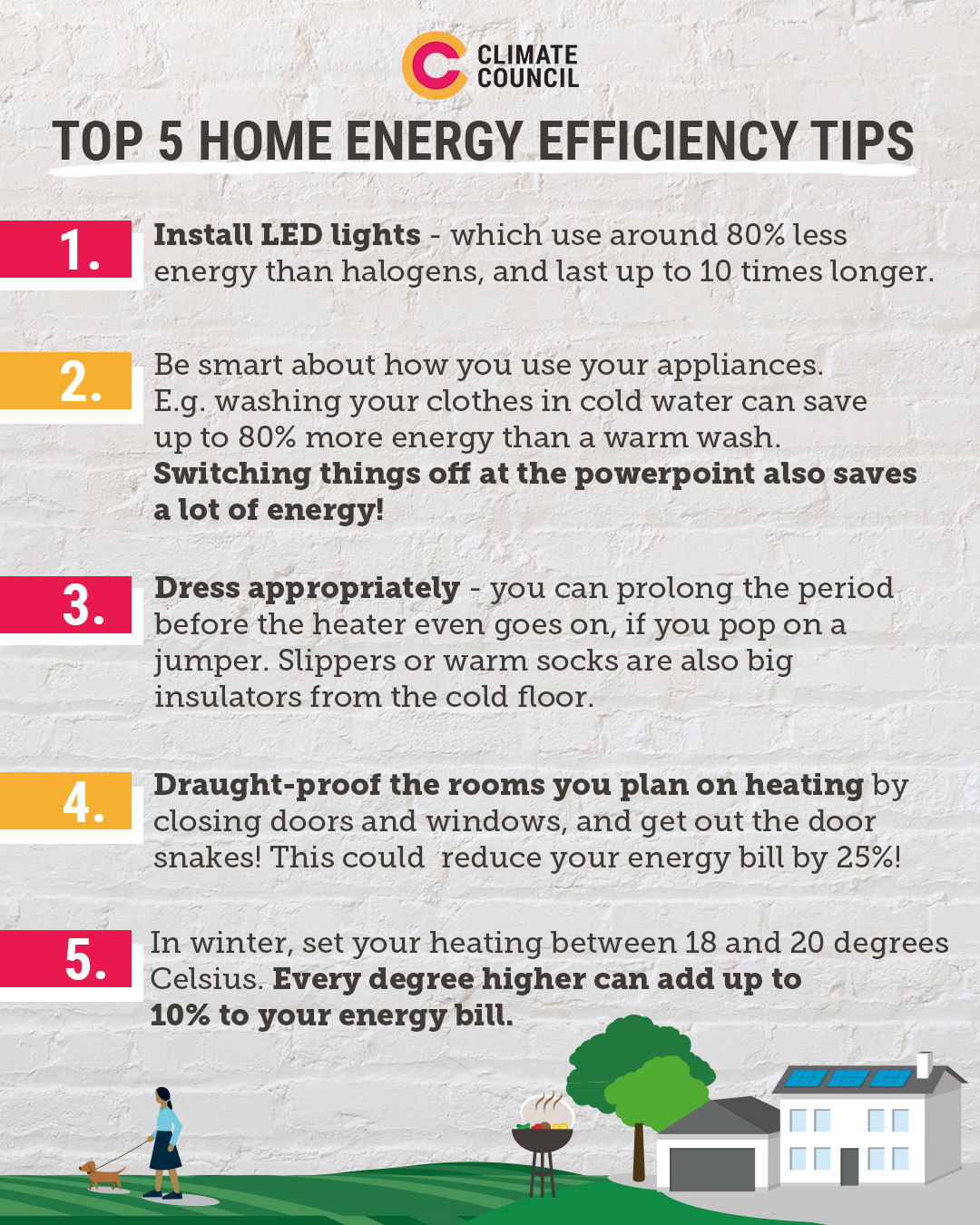
However, leaving it on full blast isn't the answer either! That's just throwing money out the window (literally, through heat loss!). The best strategy is to lower the thermostat by a few degrees when you're away or asleep. Think of it as a compromise. Aim for a temperature around 55-60°F (13-16°C) to prevent pipes from freezing and to keep your home from becoming an icebox.
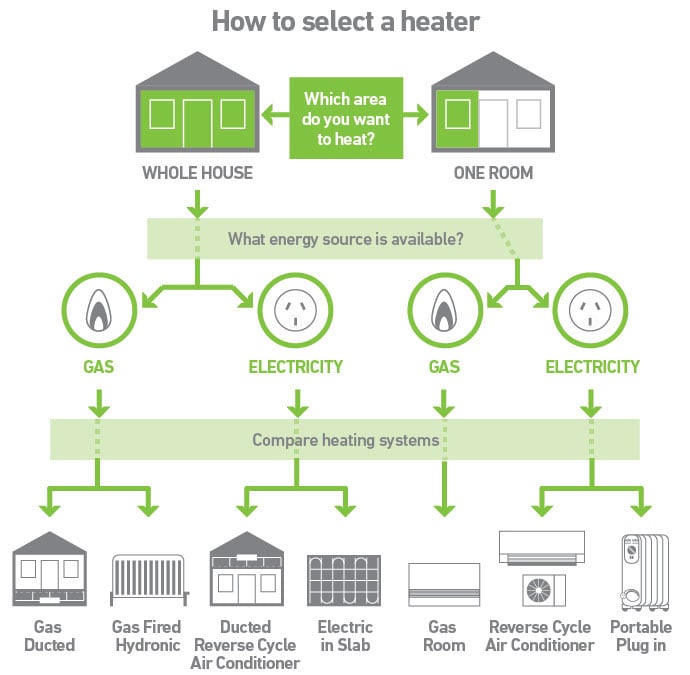
There are variations on this theme, of course. Consider the length of time you'll be gone. If you're just popping out for an hour, leaving the heat as is probably won't make a huge difference. But if you're going away for a weekend, definitely lower that thermostat! Think about your home's insulation too. A well-insulated home will retain heat much better, meaning you can probably lower the thermostat further without risking freezing pipes. And finally, consider your specific heating system. Some systems, like heat pumps, are more efficient at maintaining a constant temperature than others.
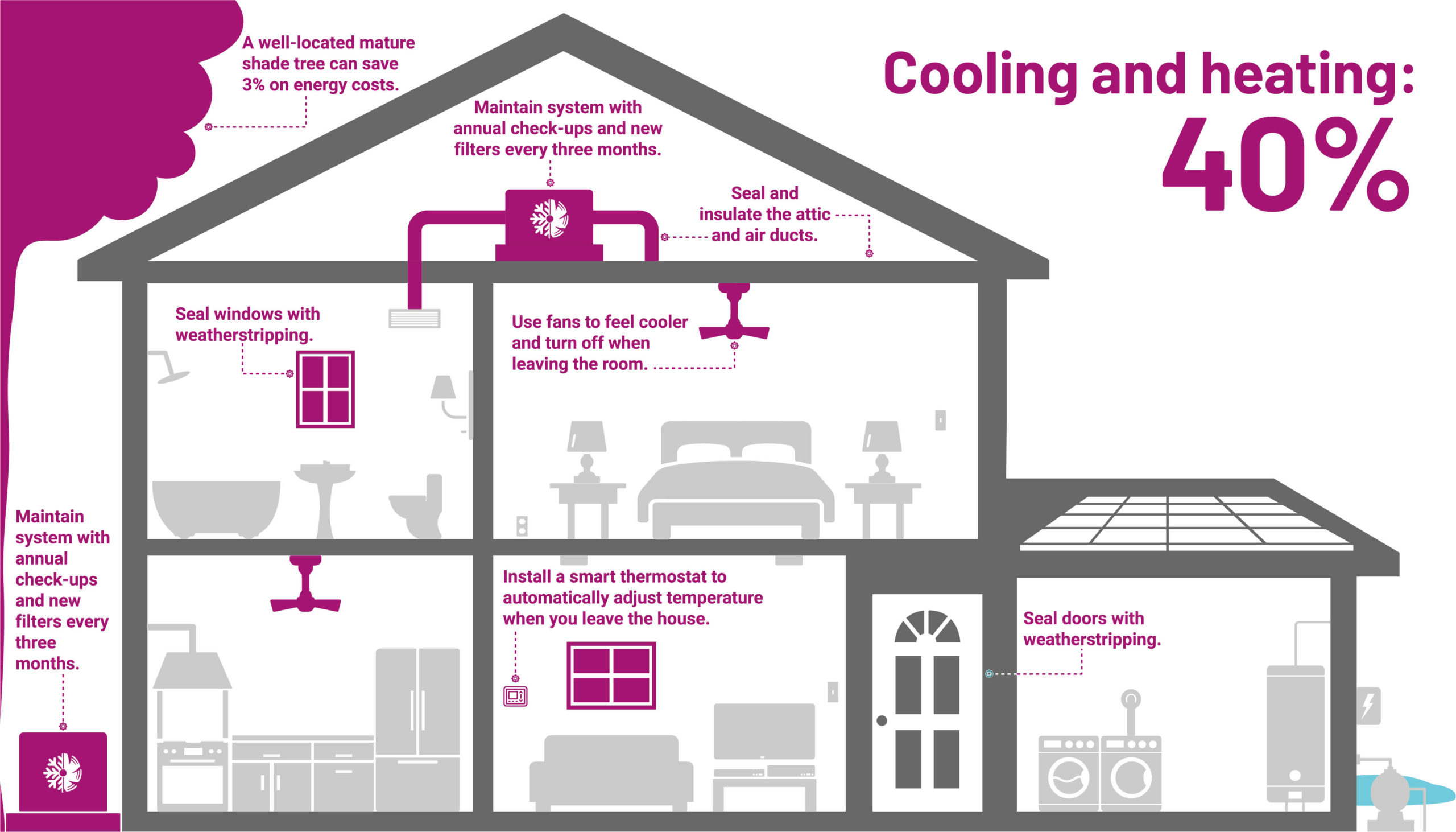
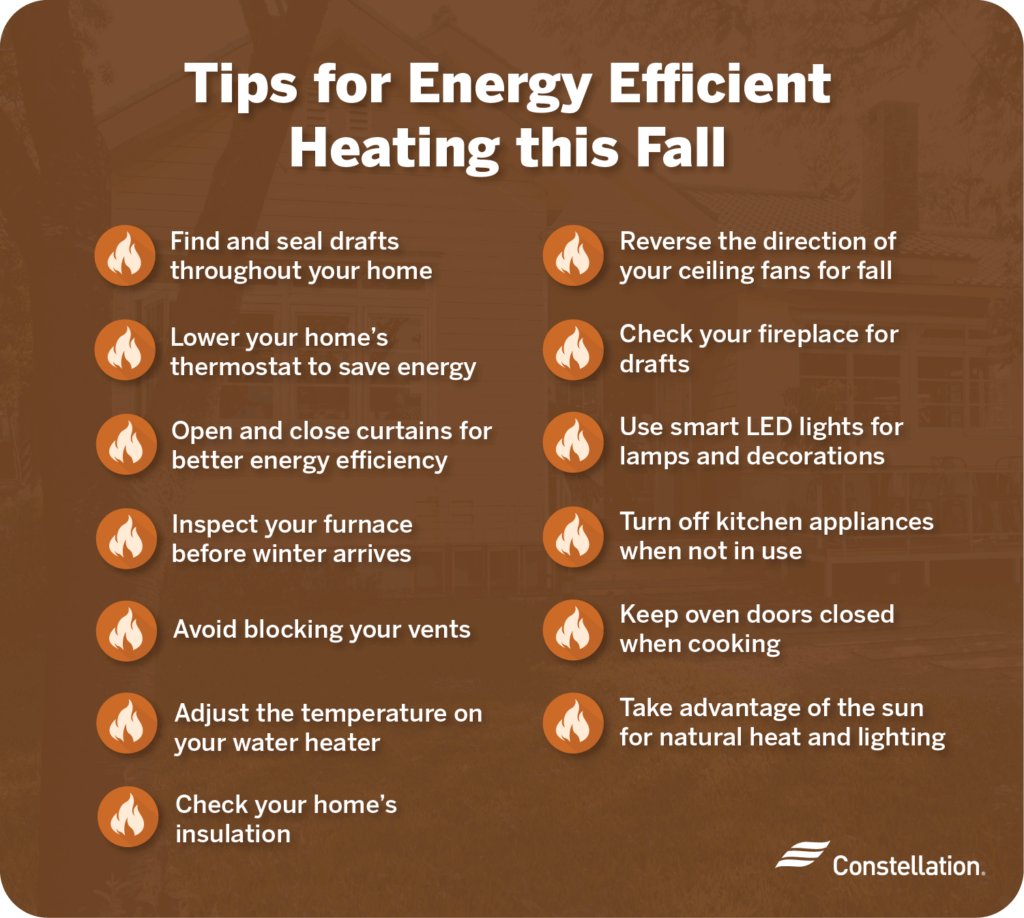
Here are some simple tips to get started saving energy and money:
- Invest in a programmable thermostat. This is the easiest way to automatically adjust the temperature when you're away or asleep.
- Experiment! Track your energy bills and adjust the thermostat setting to find the sweet spot for your home and lifestyle.
- Seal any drafts. Caulk windows and doors to prevent heat from escaping.
- Get a home energy audit. Many utility companies offer free or low-cost audits to identify areas where you can improve your home's energy efficiency.
Ultimately, figuring out the best heating strategy for your home is a bit of a balancing act. But by understanding the basic principles and experimenting to find what works best for you, you can save money, stay comfortable, and even feel good about reducing your environmental impact. So go ahead, tweak that thermostat and enjoy the warmth, knowing you're doing it the smart way!