
Is It Cheaper To Heat With Gas Or Electricity
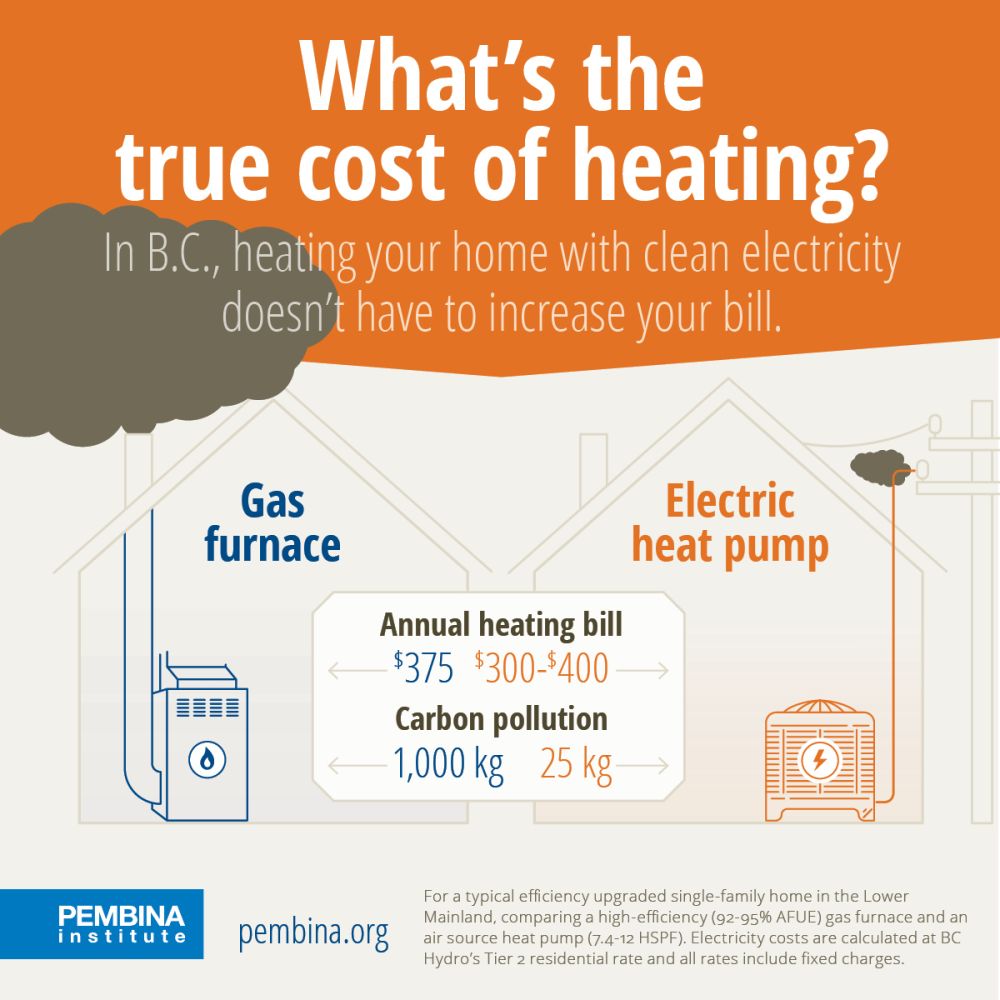
Ah, the eternal question! Which is cheaper to cozy up with when winter's icy fingers start tapping on the window: gas or electricity? It's a debate that’s raged in households since, well, since central heating became a thing. Get ready for a delightful delve into the warm and fuzzy world of home heating economics!
The Great Heating Showdown: Gas vs. Electricity
Imagine gas and electricity are two contestants on a home heating game show. They're both vying for the coveted "Most Wallet-Friendly Warmth Provider" award. Who will take home the crown?
Let's meet our contestants! First up, we have Gas, the old reliable. Think of him as the grandpa of heating – been around the block a few times, knows a thing or two about generating heat, and is generally quite dependable.
Must Read
And then there's Electricity, the sleek, modern contender. Electric heating is like that tech-savvy millennial. Full of potential, embraces new technologies, and has a clean, efficient vibe.
Round 1: The Price is Right (or is it?)
The initial sticker shock often leans in Gas's favor. Historically, gas has often been cheaper per unit of energy than electricity. It’s like comparing the price of a used car to a brand-new electric vehicle.
But hold on! Don't count Electricity out just yet. The price of electricity can fluctuate depending on where you live, the time of day, and even renewable energy sources. It's a bit like playing the stock market – sometimes you win, sometimes you…shiver slightly.
Plus, Electricity is evolving! Solar panels, wind turbines, and other green energy sources are making electricity a more competitive and sustainable option. So, while Gas might win the “initial price” round, the long game could be very different.
Round 2: Efficiency Face-Off
Efficiency! This is where things get interesting. Gas furnaces are pretty good at what they do, but they're not perfect. Some heat inevitably escapes up the chimney, like a sneaky little heat thief stealing your warmth.
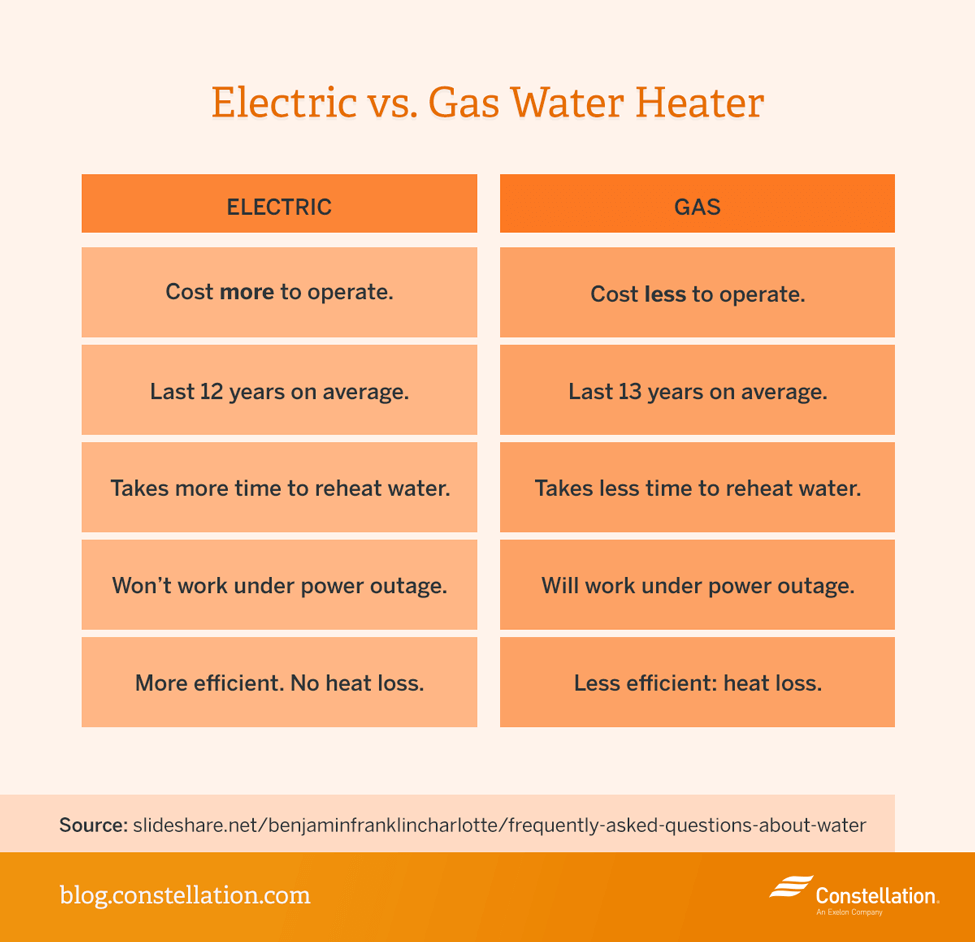
Electricity, on the other hand, can be incredibly efficient, especially with technologies like heat pumps. Think of a heat pump as a reverse air conditioner – it pulls heat from the outside air (yes, even when it's cold!) and pumps it into your home.
These heat pumps can be surprisingly efficient, sometimes delivering more than 100% efficiency. How is this possible? They're not creating heat; they're just moving it, like a tiny, energetic heat transporter.
This means that even if electricity costs more per unit, you might use less of it to achieve the same level of warmth. It's like driving a fuel-efficient car – you pay more at the pump, but you go further on each tank.
Round 3: The Convenience Factor
Let's talk about convenience. Electricity has a clear advantage here. Electric heaters are often smaller, easier to install, and require less maintenance than gas furnaces. No chimney to clean, no worries about gas leaks (although modern gas appliances have safety features, of course).
Imagine you're setting up a cozy reading nook in your attic. A small electric space heater is a much easier solution than running gas lines and installing a full-blown gas furnace. It's the equivalent of ordering pizza instead of cooking a five-course meal.
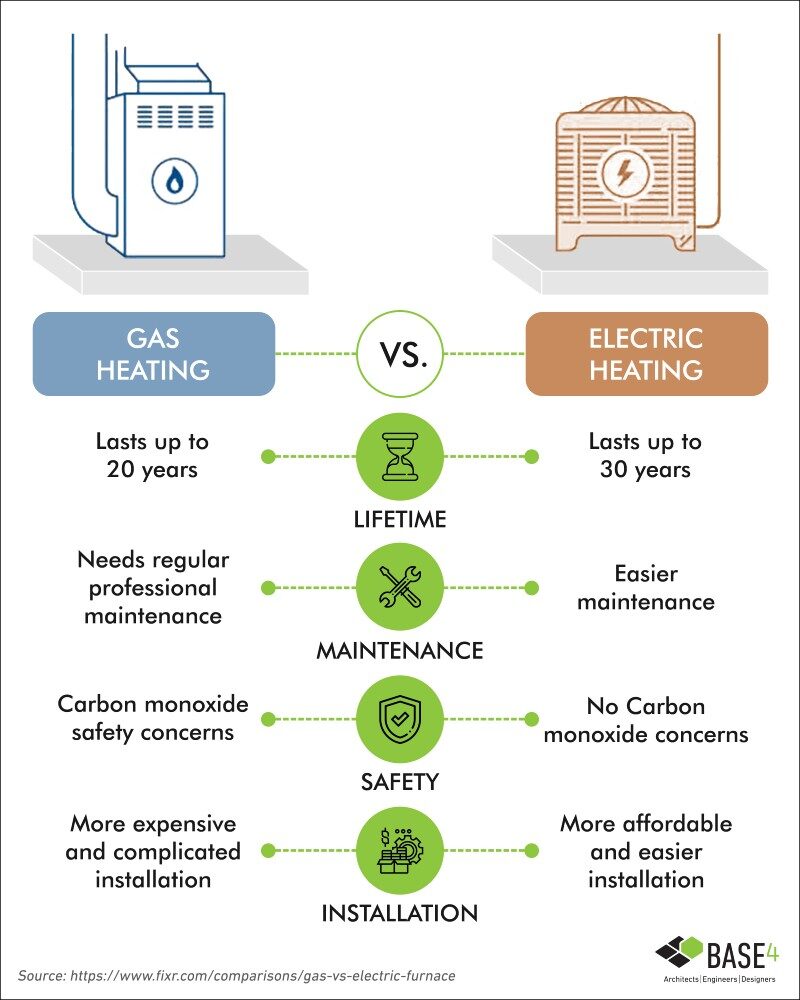
However, gas furnaces often have the upper hand in heating larger areas quickly. They are like the equivalent of having a big family sedan, able to take a whole lot of people a long distance comfortably.
The Wildcard: Your Home's Insulation
Here's where things get personal. The effectiveness of both gas and electricity depends heavily on your home's insulation. Think of insulation as a cozy blanket for your house.
If your home is poorly insulated, you're essentially throwing money out the window (literally!). You'll be cranking up the heat, whether it's gas or electric, just to compensate for all the heat that's escaping. It’s like trying to fill a leaky bucket – you're constantly pouring water in, but it never stays full.
Proper insulation is the unsung hero of home heating. Investing in good insulation can significantly reduce your energy bills, regardless of whether you choose gas or electricity.
The Environmental Angle
In today's world, we can't ignore the environmental impact of our choices. Gas, being a fossil fuel, contributes to greenhouse gas emissions. It’s like that old car that you love, but know it's probably not the most eco-friendly option.
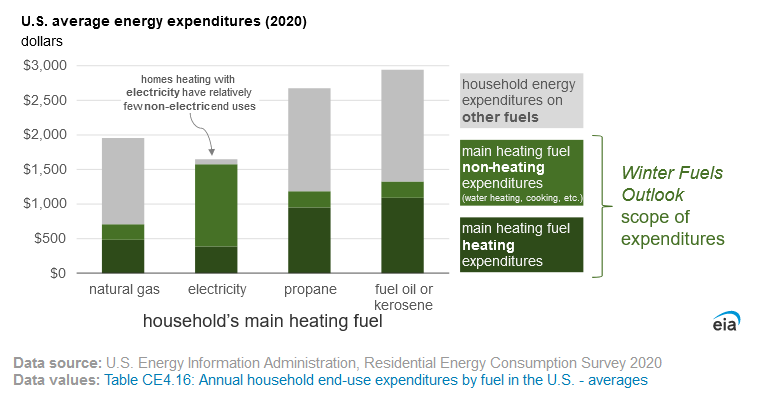
Electricity, on the other hand, can be generated from renewable sources like solar, wind, and hydro power. This makes it a potentially cleaner and more sustainable option. It’s like switching to a hybrid car – you're still driving, but you're doing it with a smaller carbon footprint.
Of course, the environmental impact of electricity depends on how it's generated in your region. If your electricity comes primarily from coal-fired power plants, it might not be as environmentally friendly as you think. It's important to do your research and understand the energy mix in your area.
The Verdict: It Depends! (Seriously)
So, which is cheaper: gas or electricity? The unsatisfying but honest answer is: it depends! It depends on your location, your home's insulation, your energy usage habits, and the current prices of gas and electricity. It is like asking if apples or oranges are better. It all depends on personal preference.
There is no definitive winner in this heating showdown. It is more about understanding your own needs and choosing the option that best fits your circumstances. It’s about making informed decisions and finding the sweet spot between comfort, cost, and environmental responsibility.
The key takeaway is to do your homework! Compare prices in your area, consider your home's insulation, and explore different heating technologies. A little research can go a long way in keeping your home warm and your wallet happy.

And remember, no matter which option you choose, the most important thing is to stay warm and cozy during those chilly winter months. So, brew a cup of hot cocoa, curl up by the fire (or heater!), and enjoy the warmth. May your home always be a haven of comfort and cheer!
Ultimately, the choice between gas and electric heating is a personal one, and there's no right or wrong answer. It's about finding what works best for you and your family, while making informed decisions that align with your values and budget.
So, let the Great Heating Showdown continue, but remember that the real prize is a warm and comfortable home. And that’s something worth striving for, no matter how you choose to heat it!
Remember to check with local energy providers for cost comparisons in your specific area, as prices can vary greatly. What works for your neighbor might not be the most economical option for you!
Finally, consider consulting with a qualified HVAC (Heating, Ventilation, and Air Conditioning) professional. They can assess your home's specific needs and provide personalized recommendations based on your individual circumstances. A professional opinion can provide a detailed breakdown of the pros and cons of each type of heating system, taking into account factors such as your home's size, insulation, and local energy costs.
Disclaimer: Energy prices and technology are constantly evolving. Always consult with local experts and conduct thorough research before making any decisions about your home heating system.