
Is It Bad To Use Expired Neosporin
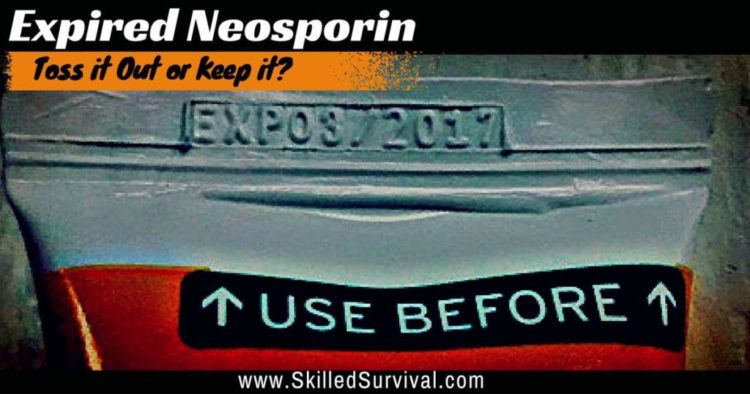
Okay, so picture this: I’m rummaging through my ancient first-aid kit (seriously, it’s probably older than some of my furniture), searching for something to put on a minor scrape. Victory! I find a tube of Neosporin. But then… I squint. Date… July 2018. Yikes. Suddenly, that little scrape feels less urgent. Now, I'm wondering, is this like, biohazard Neosporin now? Has it transformed into some kind of super-bacteria breeding ground? Anyone else been there? I bet so.
That little moment of panic got me thinking – is it really that bad to use expired Neosporin? We’re all guilty of holding onto things past their prime, especially when it comes to stuff tucked away in a medicine cabinet. So, let’s dive into this topical antibiotic time warp.
What's the Deal With Expiration Dates Anyway?
First off, let’s demystify expiration dates. They're not necessarily a hard and fast "poof, it's poison" kind of thing. (Thank goodness!) Drug manufacturers put those dates on there to guarantee the full potency and safety of the medication up until that point. They’ve done studies, run tests, and figured out how long the active ingredients are likely to remain effective. So, essentially, it's about the manufacturer's confidence level.
Must Read
Think of it like this: It's like saying your car is guaranteed to run smoothly for 5 years. It might run just fine for 6, 7, even 10 years! But after 5, the manufacturer isn't making any promises, you know?
The FDA requires expiration dates. It doesn't necessarily mean it'll immediately be harmful. However, the efficacy, or how well it works, starts to diminish.

Neosporin: Potency and Bacteria
Now, specifically about Neosporin. It contains a combination of antibiotics (usually neomycin, polymyxin B, and bacitracin) designed to prevent bacterial growth. Over time, those antibiotics can degrade. As they degrade, the amount of active antibiotic gets smaller. Which could be concerning.
What does that mean for your scrape or cut? Well, potentially, it means the expired Neosporin might not be as effective at killing those pesky bacteria. And less bacteria killing ability could lead to infection. Yikes!
The Worst-Case Scenario (Dramatic Music Plays)
Okay, let’s be dramatic for a second. The absolute worst-case scenario? An infection that is harder to treat because the bacteria is more resistant. Because you used a weaker dose of antibiotic. And that infection could potentially spread. Of course, this is highly unlikely with a tiny scrape. But it’s good to be aware, right?
But, and this is a big but, remember that Neosporin also acts as a physical barrier. Even degraded, it might still help keep some dirt and grime out of the wound. So, maybe not entirely useless... But that's not really a great endorsement, is it?
Is it Really Worth the Risk?
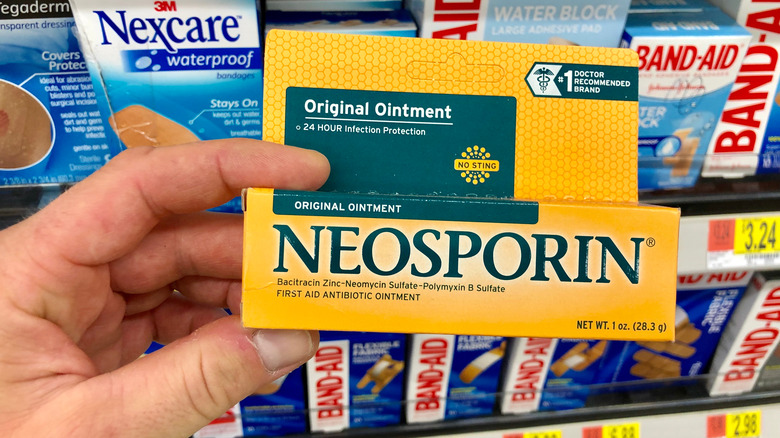
Here’s the million-dollar question: is using expired Neosporin worth the risk? Honestly, probably not. Especially when a fresh tube is relatively inexpensive and readily available. You can probably find one at any grocery store or pharmacy. Plus, it’s going directly on a wound, which can lead to infection.
If the Neosporin is only slightly past its expiration date (like, a month or two), and it looks and smells normal, you might be okay. But if it's been sitting in your medicine cabinet since the Jurassic period, or the texture has changed, just toss it. Seriously.
What to Do Instead
So, you found that expired Neosporin. Now what? Here's the smart move:
- Pitch It! Throw it away (responsibly, of course – check your local guidelines for medication disposal).
- Get New Stuff! Buy a fresh tube of Neosporin or similar topical antibiotic ointment.
- Clean the Wound! Wash the affected area thoroughly with soap and water. This is important regardless!
- Monitor! Watch for signs of infection (redness, swelling, pus, increased pain). If you see any of these, see a doctor.
Basically, it's about using your best judgment. But when it comes to preventing infection, a little extra caution is always a good idea. Remember, a tiny tube of Neosporin is much cheaper than a trip to the doctor!
And while you're at it, maybe take a peek at your whole medicine cabinet. You might be surprised at what other "treasures" you find lurking in there! Happy de-cluttering (and stay safe!).