
Is It Bad To Turn Ac On And Off
Ah, the sweet symphony of a summer's day... until that symphony is drowned out by the relentless hum of heat and humidity. That’s when our trusty friend, the air conditioner, swoops in like a superhero in a metal box. Whether it’s that blissful sigh as you step into a refreshingly cool home after battling the sweltering outdoors, or the quiet focus you find in a perfectly climate-controlled office, the AC is often our unsung hero. We rely on it for that instant chill, that escape from stickiness, and frankly, just to stop feeling like a melted candle. It’s not just about comfort; it’s about maintaining our sanity when the mercury soars!
The core purpose of air conditioning is beautifully simple: it removes heat and humidity from an enclosed space, replacing it with cooler, often drier air. This isn't just about feeling good; it serves a crucial role in our everyday lives. For starters, it helps us sleep better, making those sticky summer nights a distant memory. It boosts productivity in workplaces, keeping minds sharp and tempers cool. Beyond human comfort, AC also protects our electronics from overheating, preserves medications, and can even help control allergens by filtering the air. From the quiet hum in your living room to the powerful systems cooling entire shopping malls, hospitals, and server rooms, AC units are everywhere, tirelessly working to create a comfortable and functional environment.
Now, onto the hot (or rather, cool) topic that often sparks a debate: is it bad to constantly turn your AC on and off? It’s a question as old as air conditioning itself, born from a desire to save energy and money. Many of us have been told conflicting advice: "Keep it running all the time, it's more efficient!" versus "Turn it off when you leave, don't waste power!"
Must Read
Here’s the deal: frequently turning your AC unit on and off, especially in short bursts, can actually be less efficient and potentially increase wear and tear. Think of it like a car: it uses more fuel to accelerate from a stop than it does to cruise steadily on the highway. Your AC works similarly. When it kicks on, it requires a significant surge of energy to get the compressor running and start the cooling process. If you turn it off and on every hour, it’s constantly repeating this energy-intensive start-up phase. This "short cycling" also puts stress on the compressor, which is the heart of your AC system, potentially shortening its lifespan and leading to costly repairs.
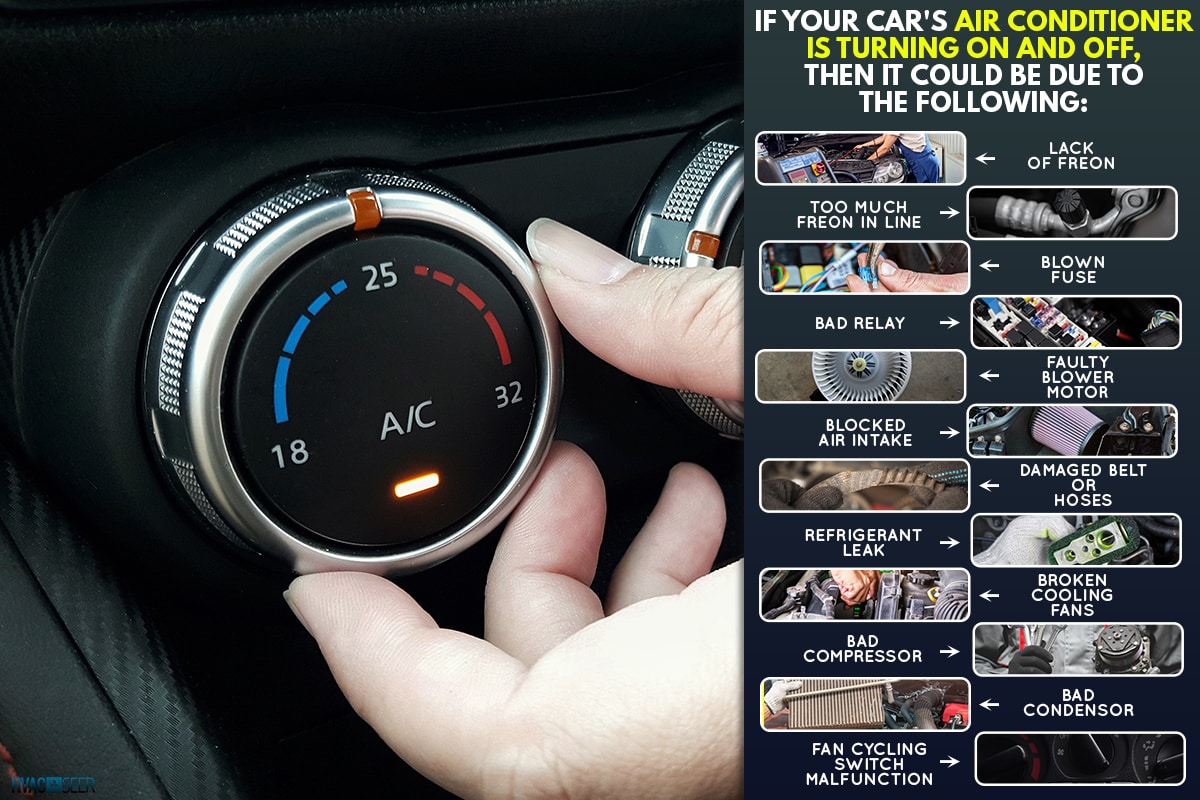
So, how can you enjoy your AC more effectively and efficiently without feeling guilty about flicking the switch? Here are some practical tips:
- Set it and forget it (mostly): Instead of turning the AC completely off when you leave, consider raising the temperature by 5-7 degrees Fahrenheit. This allows your home to warm up less drastically, meaning the AC won’t have to work as hard (and for as long) to cool it down when you return.
- Embrace the smart thermostat: These modern marvels are your best friends. They learn your habits, can be programmed to adjust temperatures based on your schedule, and can even be controlled remotely. This allows for optimal efficiency without sacrificing comfort.
- Maintain your unit: Regular maintenance, like cleaning or replacing air filters, ensures your AC runs smoothly and efficiently. A clogged filter makes your unit work harder.
- Insulation is key: Good insulation, sealed windows, and drawn blinds or curtains help keep the cool air in and the hot air out, reducing the burden on your AC system.
Ultimately, a balance is key. While turning your AC completely off for extended periods (like an entire workday) can save energy, constantly cycling it on and off for short intervals is generally not recommended. Aim for a consistent, comfortable temperature, perhaps slightly warmer when you're away, and let your AC do its job efficiently. Your wallet, and your AC unit, will thank you!


