Is Hydrogen Renewable Or Nonrenewable Energy

Okay, so let’s talk hydrogen. Not the stuff that makes balloons float and your voice sound like a chipmunk (though that is hydrogen, just not quite what we're discussing). We're talking about hydrogen as a potential fuel source – a superhero in the fight against climate change, maybe?
But here's the million-dollar question that's been buzzing around like a caffeinated hummingbird: Is hydrogen a renewable or non-renewable energy source? It's a bit more complicated than deciding between pizza and broccoli for dinner (though, let's be honest, pizza usually wins).
Think of it this way: Imagine you're baking a cake. Hydrogen is like the flour. You can't just magically poof flour into existence, right? You need to get it from somewhere – wheat, maybe. The flour itself isn’t renewable, but the wheat might be, depending on how you farm it. Same with hydrogen!
Must Read
The Hydrogen Hunt: Where Does It Come From?
Hydrogen, on its own, isn’t hanging out in pure form, ready to be scooped up and used. It’s a bit of a social butterfly, always attached to something else. It's like that friend who's always with their partner, never solo at a party. You gotta break them up to use the hydrogen.
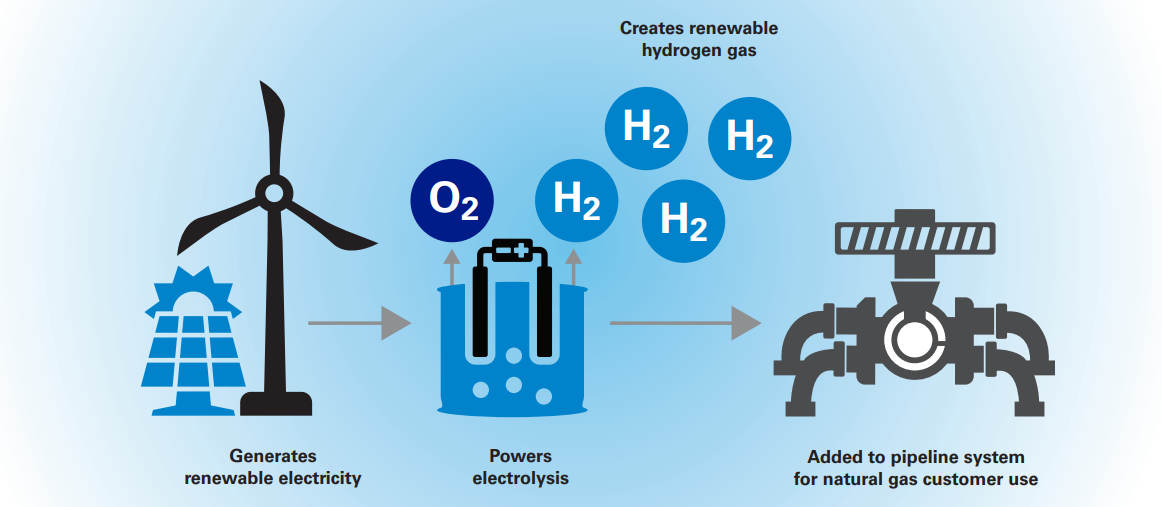
The most common place we find hydrogen is in water (H2O, remember high school chemistry?). So, can't we just split water and get hydrogen forever? Theoretically, yes! Electrolysis – zapping water with electricity to separate the hydrogen and oxygen – is a promising method. But here’s the catch, and it's a big one:
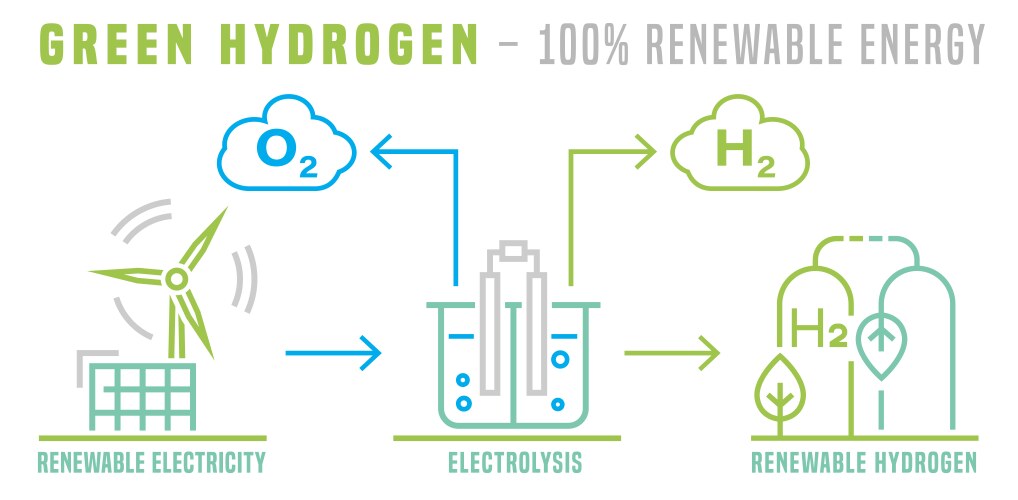
The source of that electricity matters! If we're using electricity generated from coal-fired power plants to split the water, we're basically robbing Peter to pay Paul. We're creating "dirty" hydrogen, and it's not helping our climate superhero status. It's like dressing up as Superman but driving a Hummer to the rescue.
The Color Spectrum of Hydrogen: A Rainbow of Renewability
This is where the "color spectrum" of hydrogen comes in. Seriously, hydrogen has colors now. It’s like the fashion world of energy!
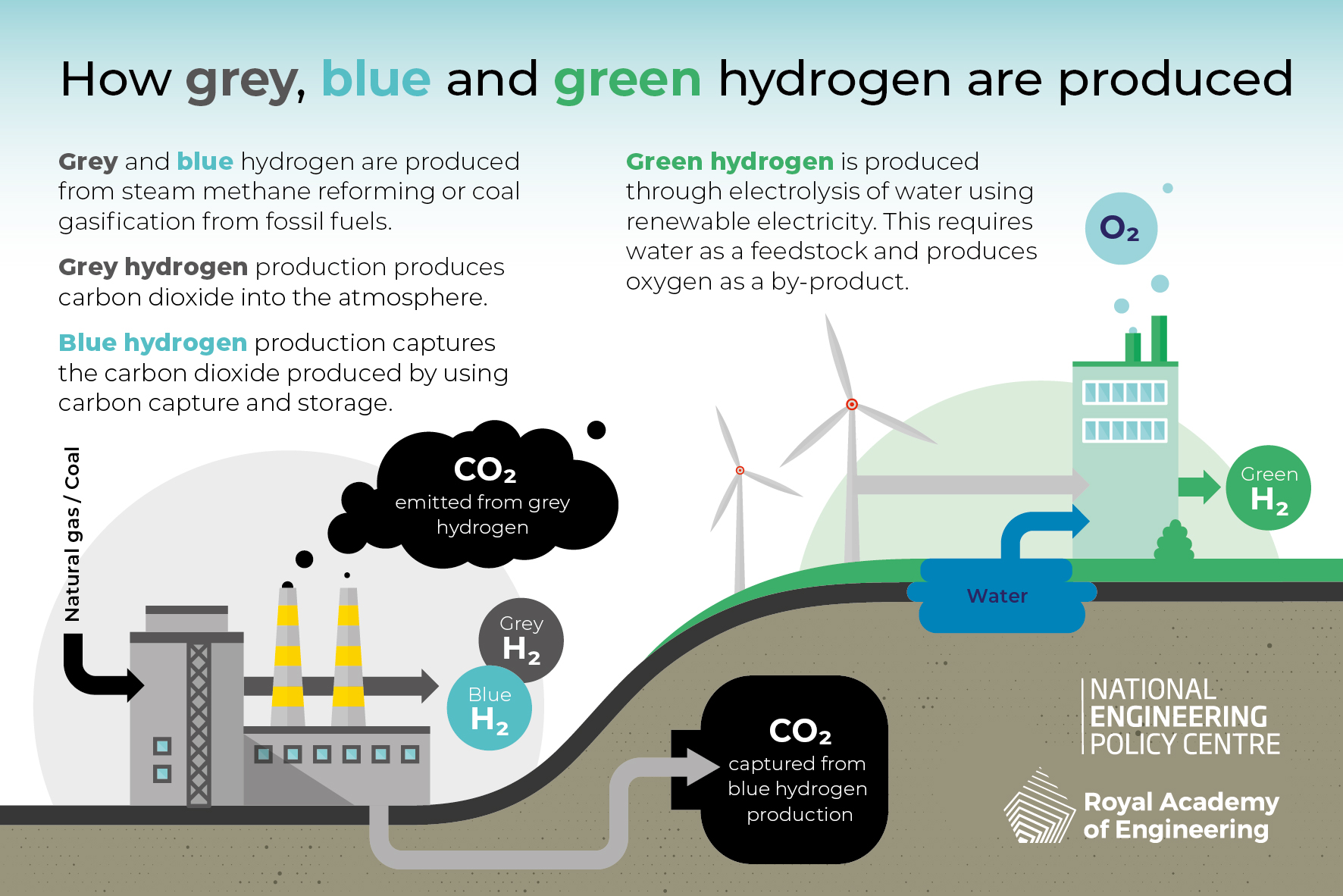
- Green Hydrogen: This is the holy grail. It's produced using renewable energy sources like solar, wind, or hydropower to split water. This is the renewable dream!
- Blue Hydrogen: This is produced from natural gas, but the carbon emissions are captured and stored. It's like trying to clean up your mess after a party, but hiding the dirty dishes in the closet. Some consider it low-carbon, others are skeptical.
- Grey Hydrogen: This is produced from natural gas without capturing the carbon emissions. It's like throwing your party trash out the window. Not cool, man, not cool. Definitely not renewable.
- Brown/Black Hydrogen: This is produced from coal, which is the dirtiest of the dirty. Think of it as throwing a tire fire at a climate change problem.
So, the answer to our original question depends entirely on how the hydrogen is produced. Green hydrogen? Absolutely renewable! Grey or brown hydrogen? Nope, definitely not renewable. Blue hydrogen? It's complicated...like trying to assemble IKEA furniture without the instructions.
Hydrogen's Future: Hope or Hype?
Hydrogen has a lot of potential. It can be used in fuel cells to power vehicles, generate electricity, and even heat homes. It's versatile, like that one friend who can fix anything and always has a spare phone charger. But it's not a magic bullet. We need to invest in renewable energy sources to produce green hydrogen on a large scale.
Ultimately, whether hydrogen becomes a true climate hero or just another flash-in-the-pan technology depends on us. Let's hope we choose the green path, and not the smoky grey or brown one. The future of our planet might just depend on it. Let's aim for that renewable cake, baked with sunshine and wind!