
Is Hydrogen A Renewable Or Nonrenewable Resource
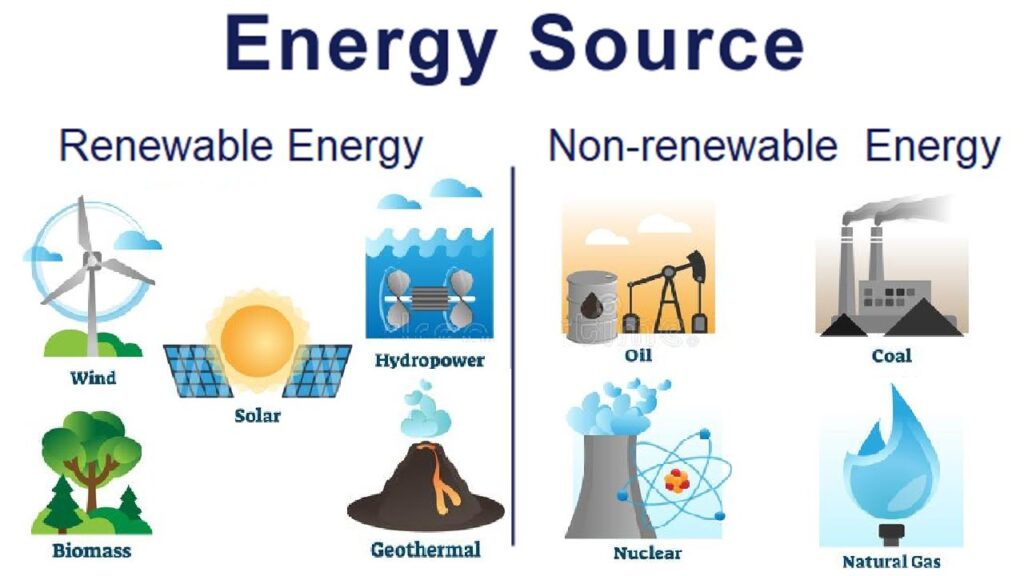
Okay, let's talk hydrogen. Not the kind that makes balloons float away at birthday parties (though that is hydrogen), but the kind that might power our cars someday. The big question everyone's asking is: Is hydrogen a renewable resource, or are we going to run out of it like we run out of chocolate when we're stressed? It's a bit more complicated than raiding your emergency chocolate stash, so let’s dive in.
The "It's Everywhere!" Argument
Here’s the initial good news: Hydrogen is the most abundant element in the universe. Seriously, it’s everywhere! It’s like that one friend who shows up at every party – you can’t get rid of it (nor should you!). Think of the sun: a massive ball of hydrogen undergoing nuclear fusion. Water? H2O. Two hydrogens right there, hanging out with an oxygen. Plants? They need hydrogen. You? You need hydrogen. It's practically the social butterfly of the periodic table.
Because it's so abundant, the argument is that, theoretically, hydrogen is renewable. It’s not like oil, which is buried deep underground and takes millions of years to form. It's more like air – it's generally around. But here’s where things get a little tricky.
Must Read
The Catch: It's a Homebody
The thing about hydrogen is, it's a bit of a homebody. You rarely find it hanging out alone. It’s almost always attached to something else, like in water (H2O) or methane (CH4). Think of it like that one friend who always brings a plus-one. You never see them solo; they’re always attached to someone else's arm.
So, to get usable hydrogen – the kind we can burn for energy or use in fuel cells – we have to separate it from whatever it's attached to. This separation process requires energy. And that's the key: the source of energy used to extract the hydrogen is what determines whether it's truly renewable.
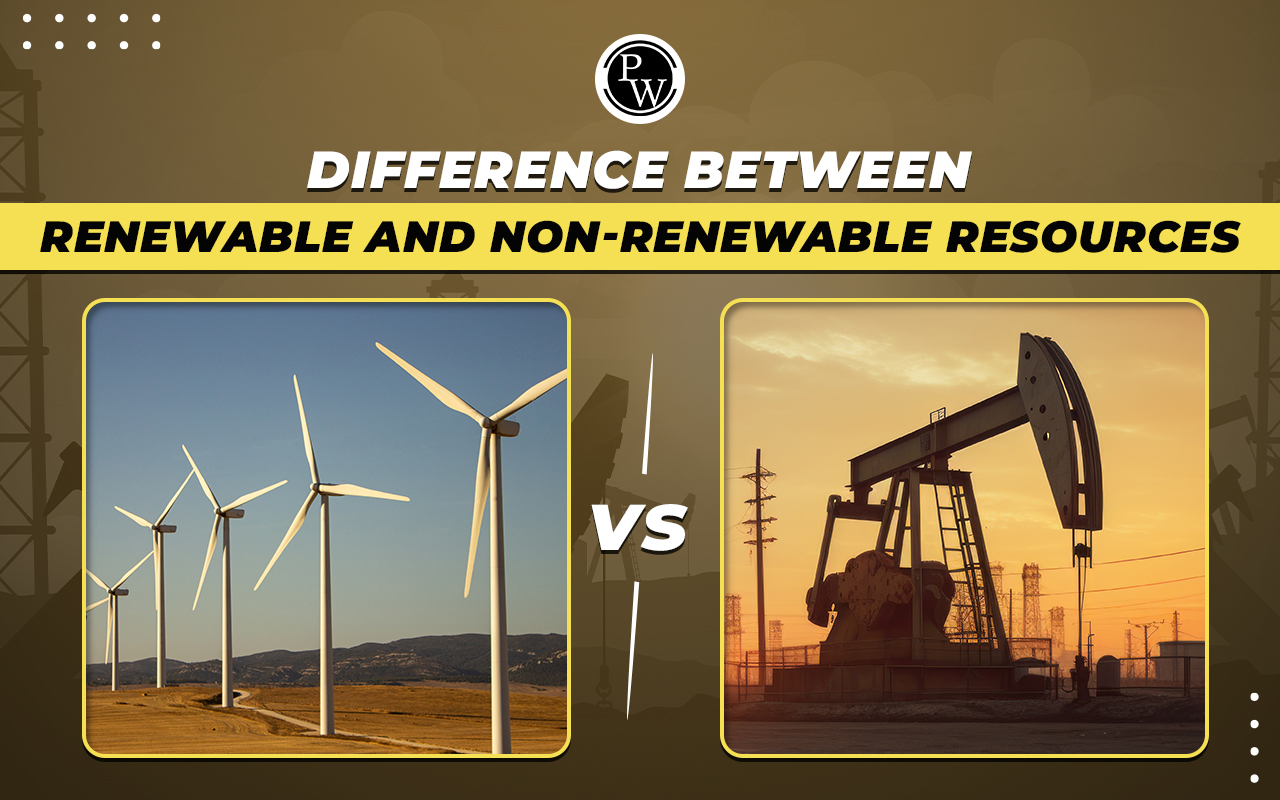
The Rainbow of Hydrogen: Colors Matter!
Here's where it gets even more interesting. People use colors to describe how the hydrogen is produced. It’s not like magically-colored hydrogen, but a way to classify the process. It's like sorting laundry – whites, darks, and then a whole category of “uh oh, maybe it'll bleed” colors.
- Gray Hydrogen: This is produced from natural gas, using a process called steam methane reforming. It's cheap, but it releases carbon dioxide, a greenhouse gas. Not exactly eco-friendly. Think of it as ordering fast food – cheap and convenient, but not good for you (or the planet).
- Blue Hydrogen: Similar to gray hydrogen, but with carbon capture technology to trap the CO2. It's a step up, but still relies on fossil fuels. It's like ordering a salad at a fast-food joint. It's better, but still not ideal.
- Green Hydrogen: This is the holy grail! It's produced using renewable energy (like solar or wind) to electrolyze water, splitting it into hydrogen and oxygen. This is the truly renewable option. It’s like growing your own organic vegetables – sustainable and good for you (and the planet!).
There are other colors too (pink, turquoise, etc.), each representing a different production method. But the main takeaway is that hydrogen itself isn't inherently renewable or non-renewable; its renewability depends on how it's produced.

So, Is Hydrogen Renewable? The Verdict!
The answer? It’s a resounding… “It depends!” If we’re making hydrogen using fossil fuels (gray or blue hydrogen), then no, it's not really renewable. It's just a detour. But if we’re making green hydrogen using renewable energy, then absolutely! It’s a clean, sustainable energy source.
Think of it like this: Hydrogen is like flour. You can make cookies with it using butter and sugar (fossil fuels), which is tasty but not sustainable. Or you can make bread with it using water and yeast (renewable energy), which is a healthier, more sustainable option. The flour (hydrogen) is just an ingredient; it's what you do with it that matters.

Ultimately, the future of hydrogen as a renewable energy source depends on our commitment to developing and scaling up green hydrogen production. So, let's hope we choose the bread recipe instead of the cookies!
In Conclusion: Hydrogen is a versatile resource with the potential to be a game-changer in the energy sector. But its true potential hinges on our ability to embrace sustainable production methods, making it a genuinely renewable source of power for generations to come.
