
Is Hydroelectric Power A Renewable Resource

Ever watched a movie where a powerful waterfall is suddenly harnessed to power a whole city? Pretty cool, right? That's kind of what hydroelectric power is all about, but on a much grander, real-life scale. The big question: Is it a renewable resource? Let’s dive in!
Harnessing the River's Fury (Responsibly, of Course!)
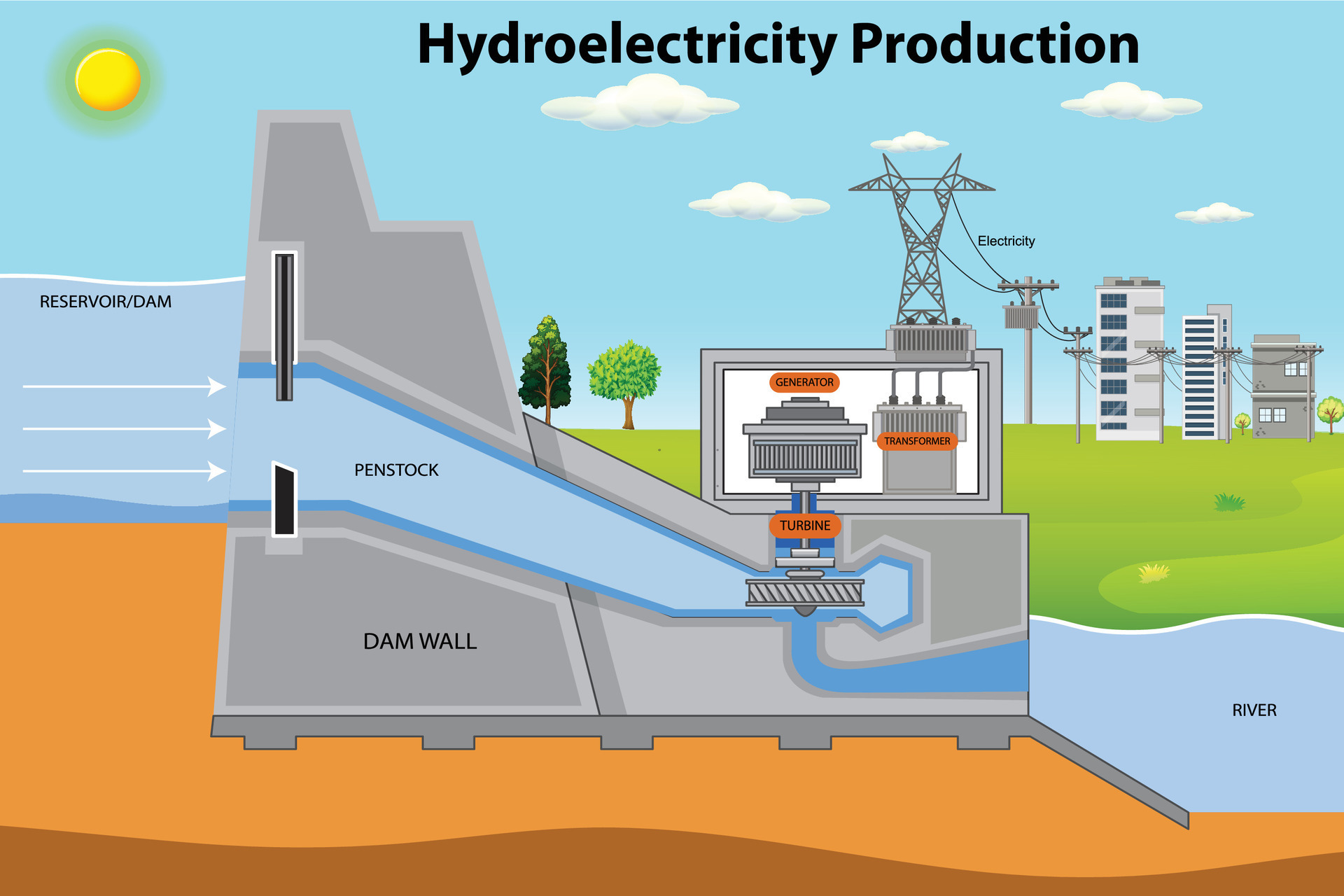
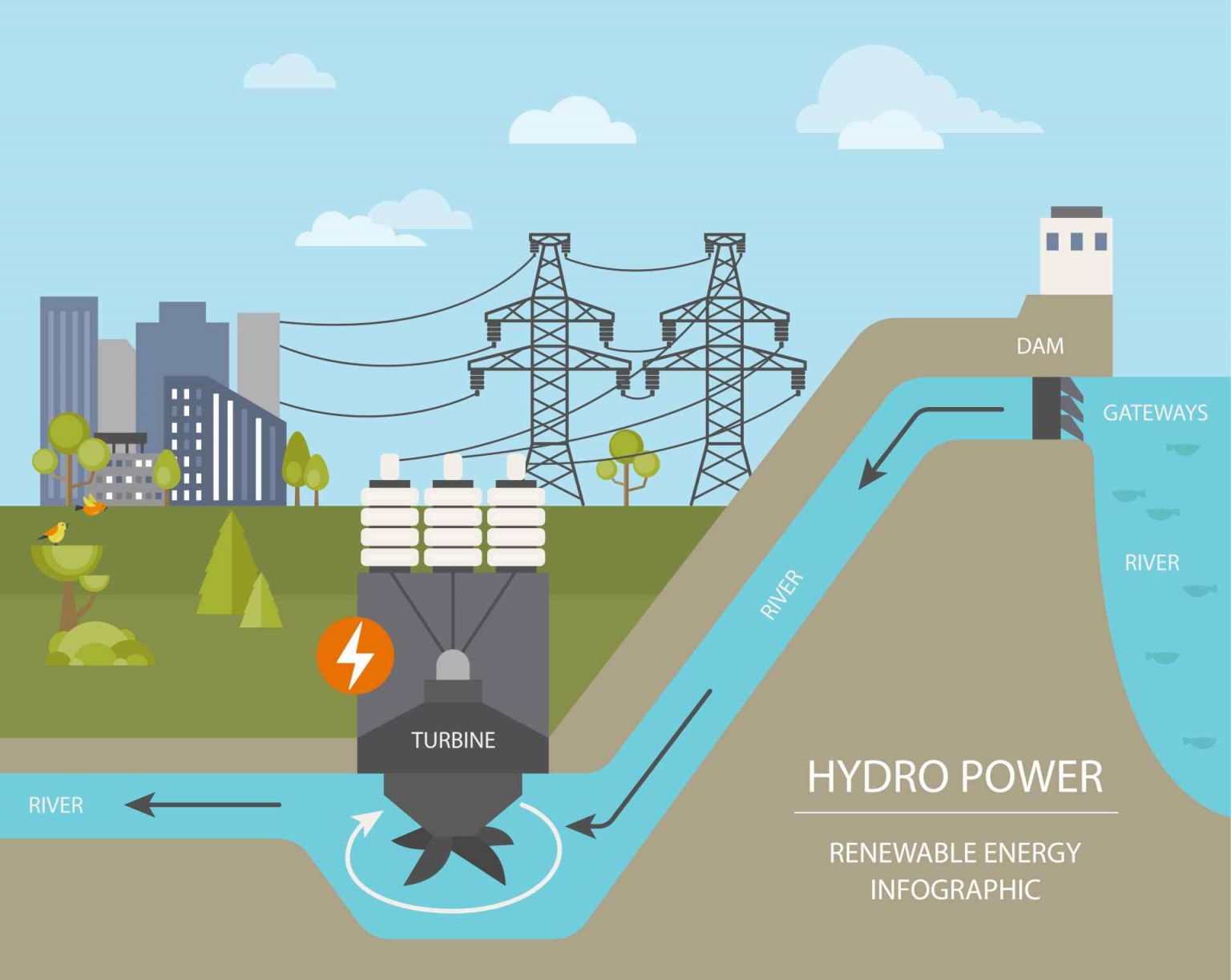
Imagine a river, flowing endlessly. It's got energy, serious energy! Hydroelectric power, or hydropower, uses dams to capture this energy. Think of a dam as a giant water slide for electricity generation. Water rushes through turbines, spinning them like crazy. These spinning turbines are connected to generators, which then create electricity. Voila! Power from water! It's an old concept with new innovative implementations.
The amazing part? The water keeps flowing. It's not like burning coal or gas, where you use up a finite resource. That’s why it's often touted as a renewable resource.
Must Read
The "Renewable" Debate: A Bit More Nuance
Okay, so here's the thing. While water keeps flowing (hopefully!), the "renewable" label isn't quite as clear-cut as, say, solar power. There are some things we need to consider. It's a complex topic!
Building dams can have a significant impact on the environment. They can alter river ecosystems, affecting fish populations and the natural flow of the water. Some argue that this disruption means hydropower isn't truly "renewable" in the most sustainable sense. It's like saying you can have all the cookies you want, but the cookie jar is slowly depleting. Hmmm...
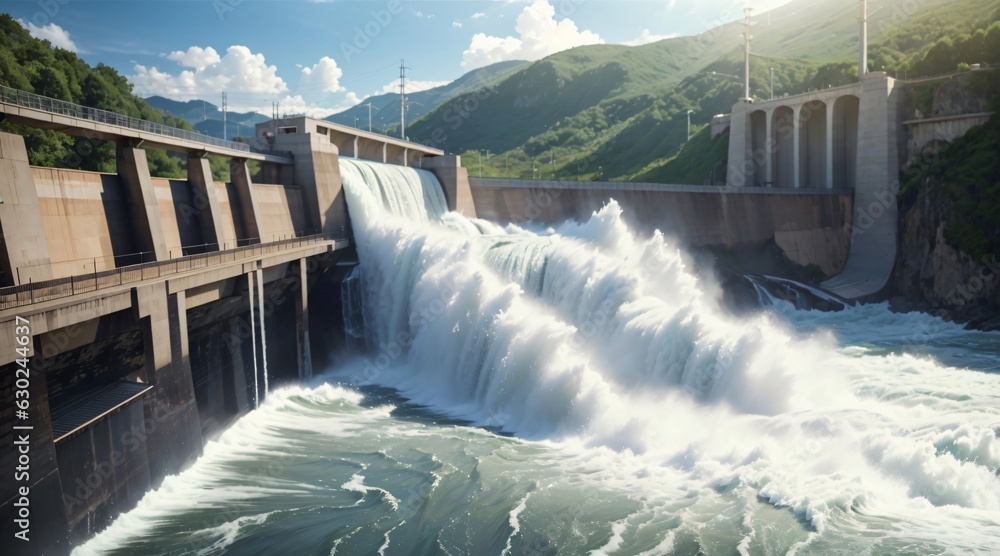
Plus, climate change can affect rainfall patterns. If a region experiences prolonged droughts, the water levels in reservoirs behind dams can drop significantly. Less water means less electricity. So, the "renewable" nature of hydropower is somewhat dependent on consistent rainfall and a stable climate. Think of it as a renewable resource, provided Mother Nature cooperates!
So, Is It Renewable or Not?
The answer, like most things in life, is a bit of both! Hydropower is a renewable resource in the sense that water is a naturally replenishing source of energy. But it's crucial to consider the environmental impact of dams and the potential effects of climate change. It’s more of “potentially renewable” with asterisk indicating caveats.
Many modern hydropower projects are focusing on minimizing their environmental footprint. This involves fish ladders (allowing fish to bypass the dam), careful management of water flow, and even decommissioning old dams to restore river ecosystems. There is even the possibility of pumped storage hydropower which is like a giant battery. It’s neat! These are important factors.
Why Should You Care?
Because energy matters! Understanding where our electricity comes from is vital for making informed choices about our energy future. Hydroelectric power offers a powerful alternative to fossil fuels, but it's not a perfect solution. By acknowledging both the benefits and drawbacks, we can work towards a more sustainable energy system.
Next time you see a majestic waterfall or hear about a hydropower plant, remember the fascinating energy source it represents. It's a reminder of nature's power and our ingenuity in harnessing it. Whether it's absolutely renewable or not, that's for you to decide!
Want to learn more? Look up the International Hydropower Association! They have tons of resources available.
