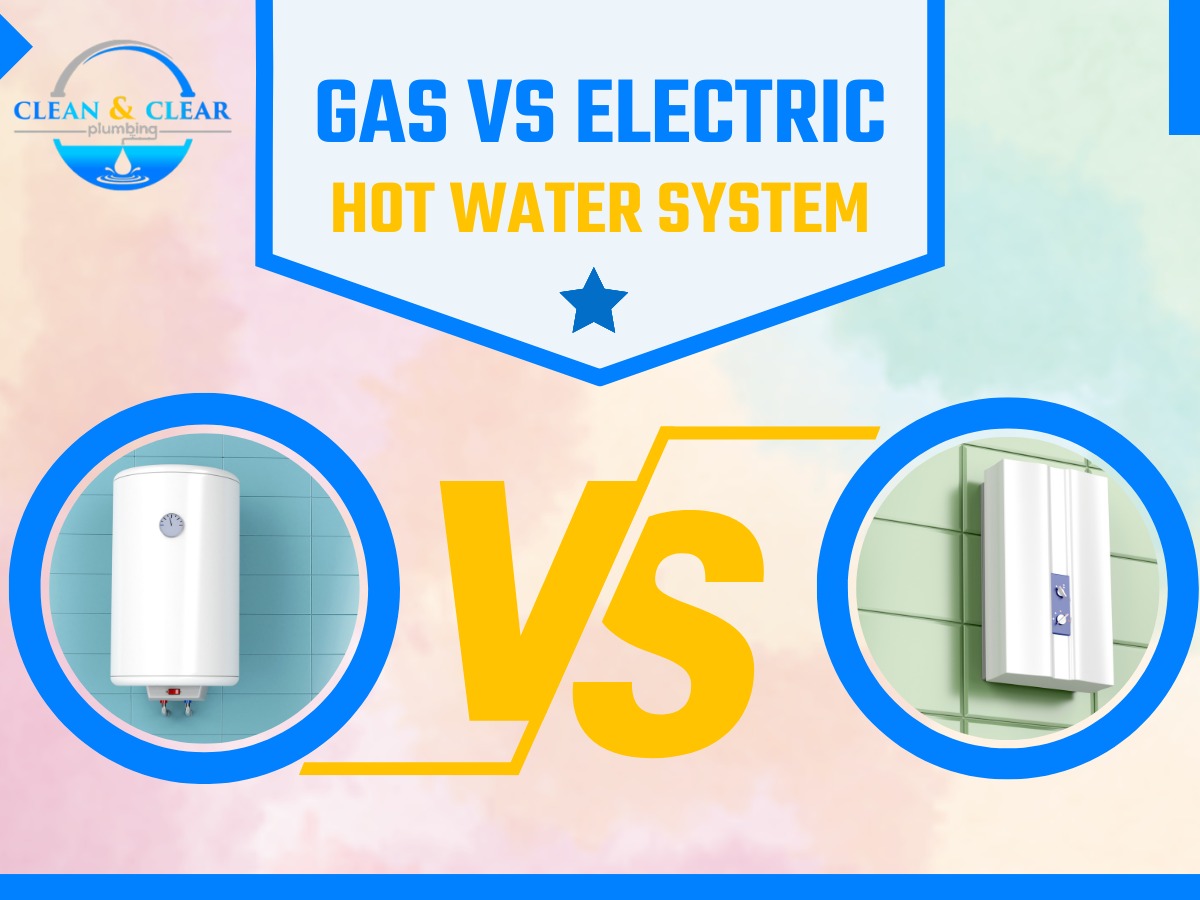
Is Hot Water Electric Or Gas
Ah, the simple, undeniable bliss of hot water. There are few feelings as universally comforting as stepping into a steaming shower on a chilly morning, letting the warmth wash away the sleep, or sinking into a luxurious hot bath after a long, strenuous day. It’s more than just a convenience; it’s a daily ritual of renewal, a moment of peace, and a fundamental pillar of modern comfort. Imagine trying to wake up with an ice-cold spray, or tackling a sink full of greasy dishes with frigid water – shudder-inducing, right?
Hot water isn't just about indulgence; it's absolutely central to our everyday lives and well-being. It ensures our hygiene, allowing us to clean ourselves effectively, wash our hands thoroughly, and keep our clothes and homes sparkling. From the bubbling pot of coffee that kickstarts your morning to the sanitizing rinse for your dinner plates, hot water plays a crucial, often unsung, role. It keeps us healthy, makes our chores easier, and frankly, just makes life a whole lot more pleasant.
You’ll find hot water hard at work everywhere: in your bathroom for showers and baths, in your kitchen for washing up and cooking, in your laundry room for a powerful clean. It's the silent hero behind countless daily tasks. But have you ever paused to wonder: is that wonderful warmth electric or gas? This is where the magic (or rather, the engineering) happens, and the answer is delightfully simple: it can be either!
Must Read
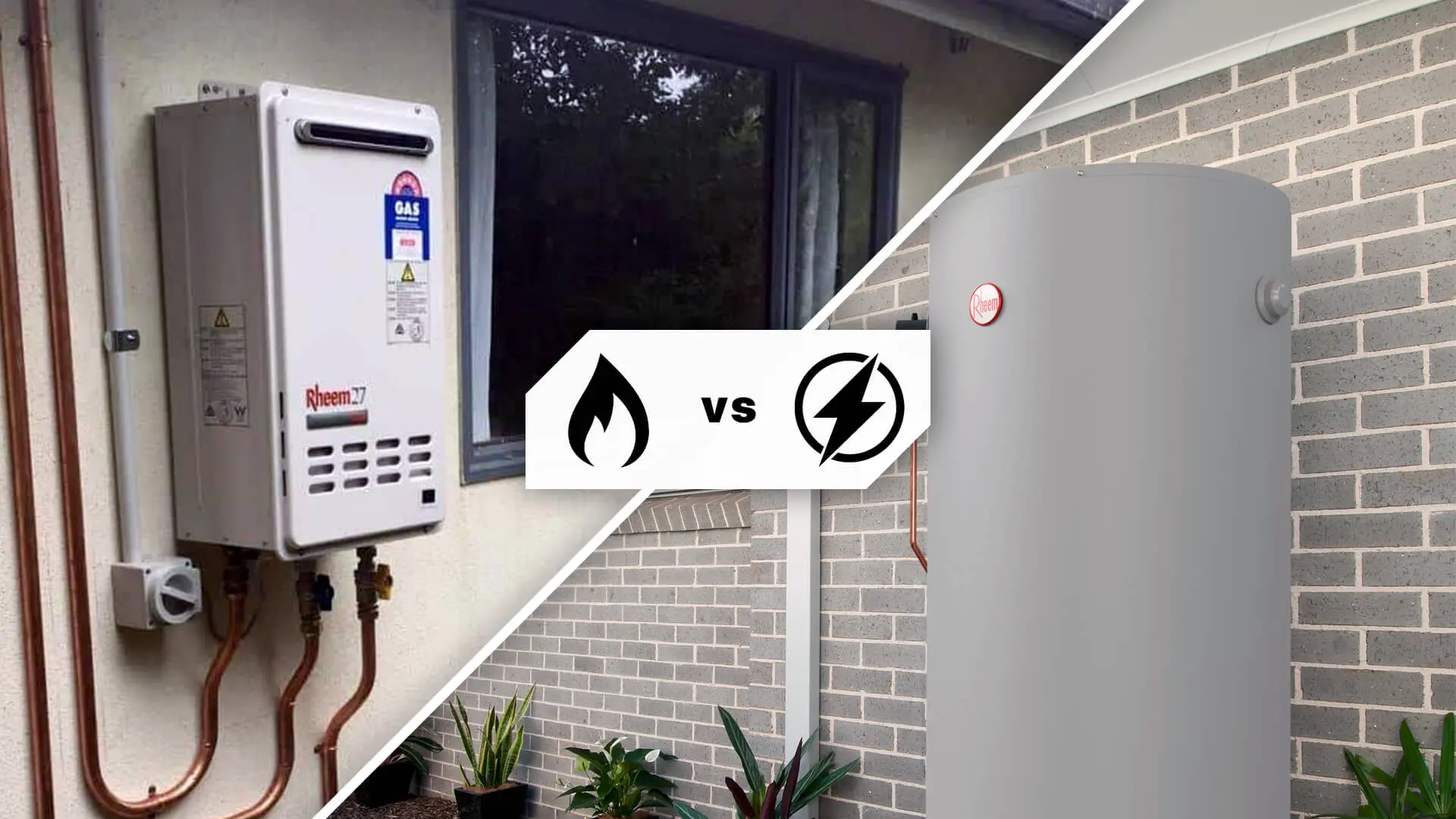
When we talk about whether hot water is electric or gas, we're really talking about the energy source used to heat it. A traditional gas water heater typically uses a burner, often ignited by a pilot light or an electronic igniter, to heat a tank full of water. You might hear the distinctive whoosh when it kicks on. These are often efficient, especially for larger households, because gas can heat water quite rapidly.

On the other hand, an electric water heater uses robust heating elements submerged directly in the water tank to bring it up to temperature. Think of it like a giant electric kettle for your whole house. They are often simpler to install in some locations and don't require venting like gas units. Both types can also come in "tankless" or "on-demand" versions, which heat water instantaneously as it flows through, providing endless hot water without a storage tank.
So, the next time you're enjoying that perfect stream, remember that the water itself isn't electric or gas; it’s just H2O that's been given a lovely energy boost! To make sure you’re enjoying your hot water as effectively and efficiently as possible, here are a few practical tips. Firstly, consider lowering your water heater's thermostat just a few degrees (often 120°F is plenty) – you might not notice the difference in warmth, but your energy bill will. Secondly, fix any leaky faucets or showerheads promptly; even a slow drip wastes gallons of hot water over time. Thirdly, for tanked systems, consider having your water heater flushed annually to remove sediment, which improves efficiency and extends its lifespan. Finally, short and sweet showers save both water and energy, but don't feel guilty about that occasional long, luxurious soak – some things are just worth it!