Is Hard Or Soft Water Better
Ever stepped out of the shower feeling a bit… sticky or, conversely, wonderfully clean and moisturized? Or perhaps you've noticed your kettle accumulating a crusty white buildup over time? These subtle, everyday experiences might actually be tell-tale signs of something fundamental about your home – the type of water flowing from your tap. We're talking about the intriguing world of hard versus soft water, and whether one is truly “better.” It’s a fascinating topic that affects everything from your hair to your appliances, making it surprisingly relevant and quite fun to explore!
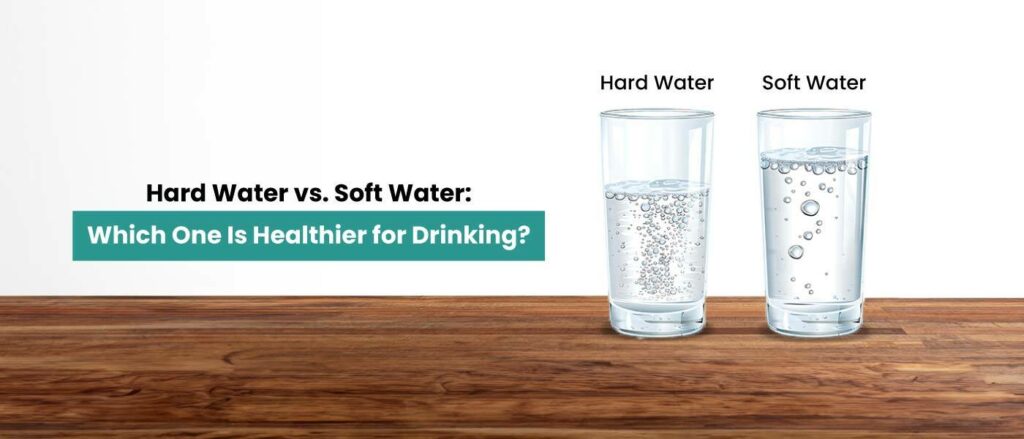
At its core, the difference between hard and soft water comes down to its mineral content. Hard water contains higher concentrations of dissolved minerals, primarily calcium and magnesium. Think of it like a natural electrolyte drink for your pipes! Soft water, on the other hand, has very low levels of these minerals. This can be naturally occurring, perhaps from rainwater or granite bedrock, or it can be achieved through water softening systems that remove these mineral ions, often replacing them with sodium ions.
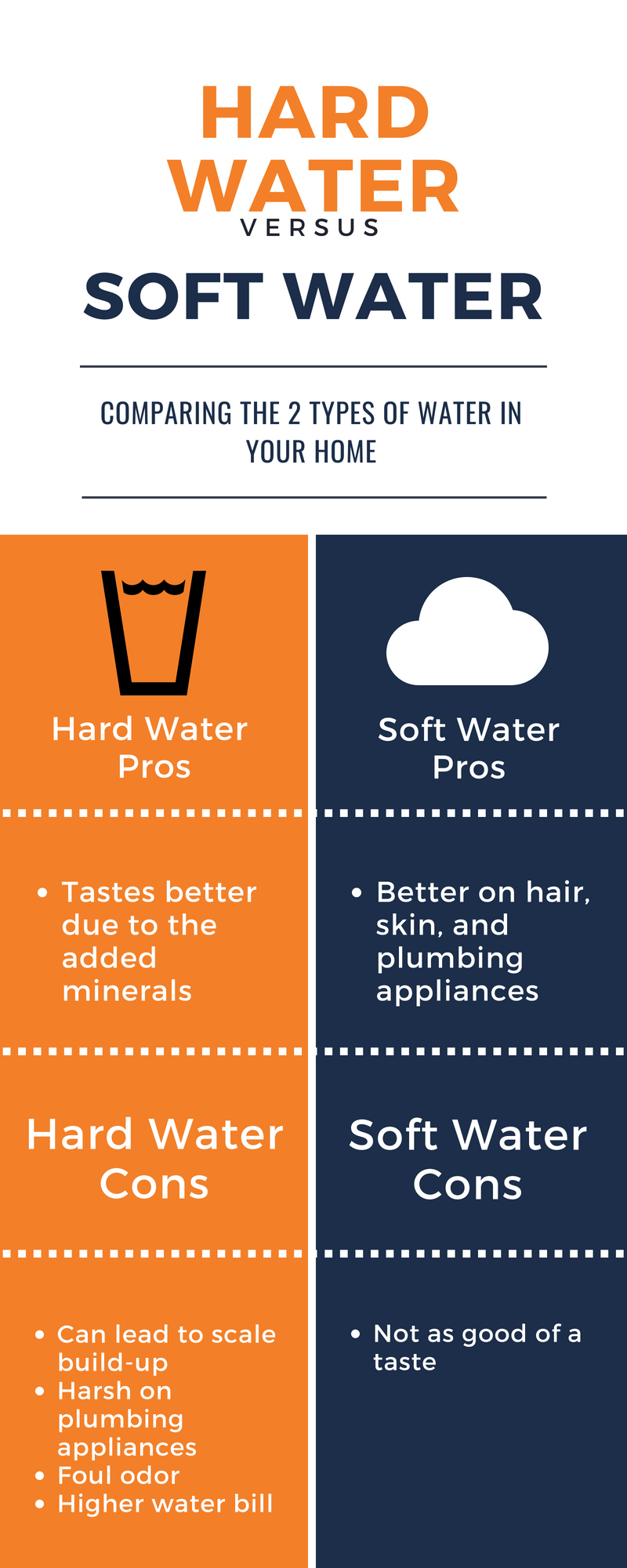
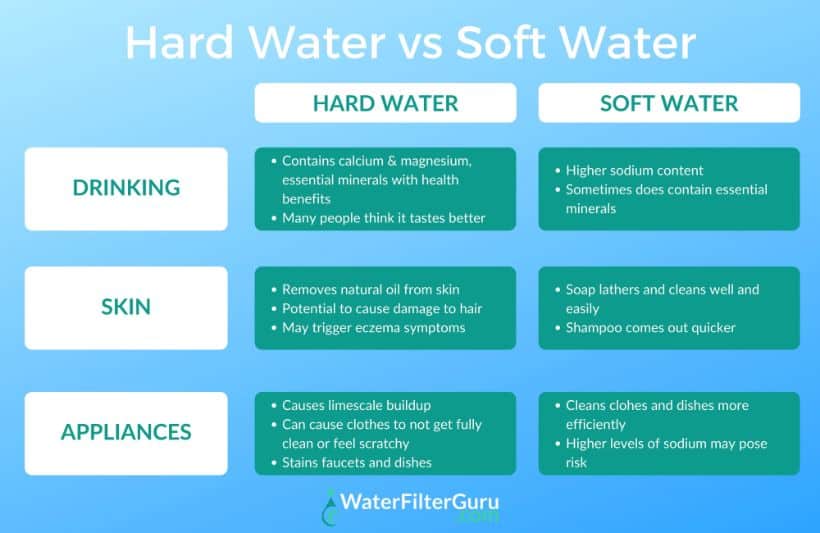
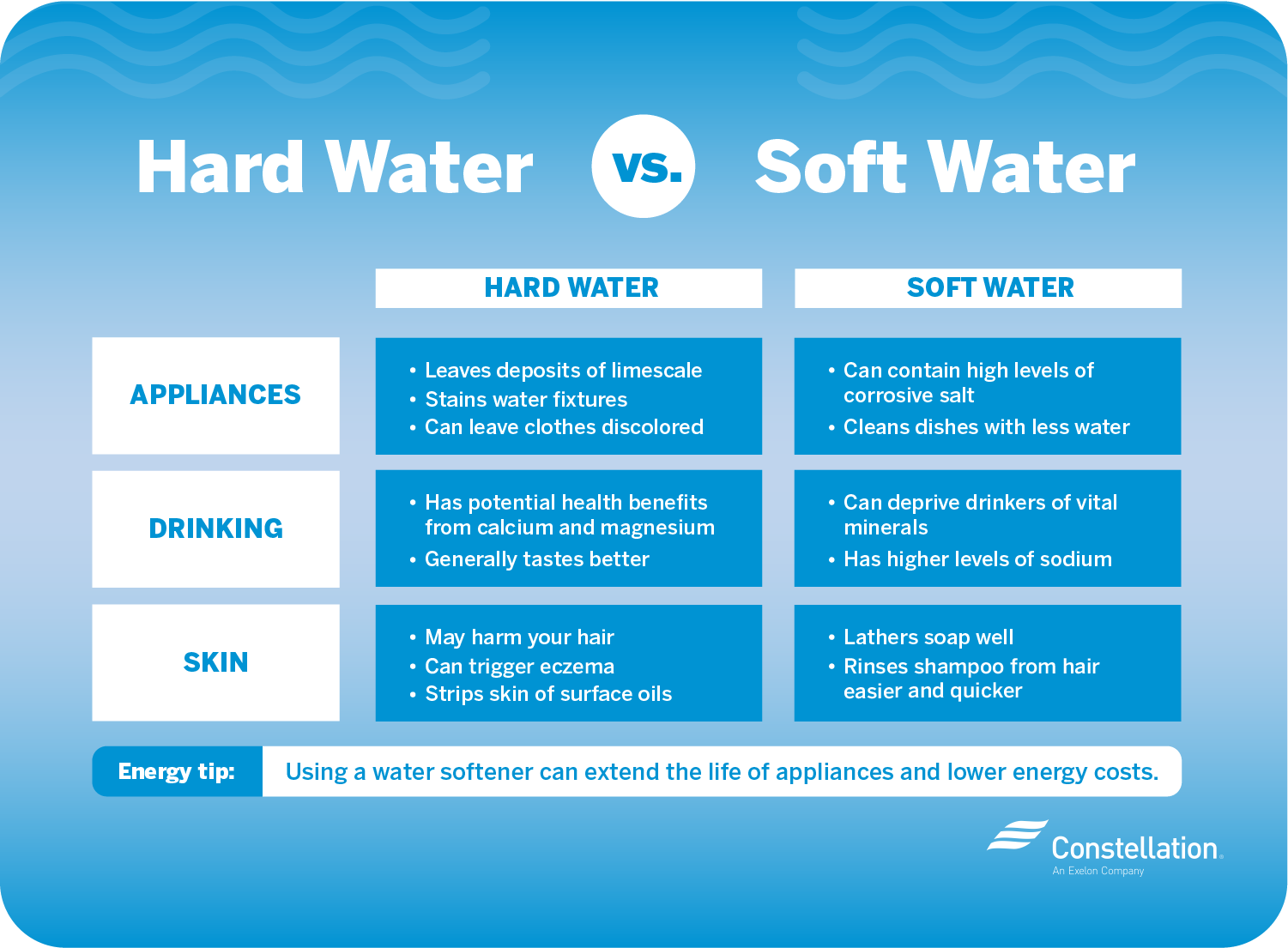
Understanding your water type isn't just a fun fact; it has practical implications and potential benefits. For instance, if you have soft water, you'll likely notice your soap lathers up beautifully, leading to a richer shampoo experience, shinier dishes, and clothes that feel softer after washing. It's also kinder to your plumbing and appliances, as it drastically reduces the buildup of limescale – that stubborn white residue that can clog pipes and shorten the life of your dishwasher or coffee maker. Less limescale means less maintenance and potentially lower energy bills!
Must Read
However, hard water isn't without its merits. Those very minerals that cause limescale, like calcium and magnesium, are actually essential for our health. Some people even prefer the taste of hard water, describing it as "crisper" due to its mineral profile. Educationally, this topic is a fantastic way to introduce concepts of chemistry and geology in daily life. Imagine a simple science experiment in schools: testing how much soap is needed to create suds in different water samples to demonstrate hardness. In daily life, just observing the spots left on glasses after drying or the feel of your skin after a shower offers immediate, personal data points.
So, how can you explore your own water story? It’s surprisingly easy! First, simply observe. Does your soap lather easily, or do you need a lot to get suds? Do you see white spots on your dishes or a film on your shower door? These are classic signs of hard water. You can also purchase inexpensive water hardness test kits online or at hardware stores. These usually involve dipping a strip into water and comparing its color change to a chart. Another simple method is to check with your local water utility company; they often publish annual water quality reports that include hardness levels. Finally, try a small experiment: fill two glasses, one with tap water and one with filtered or bottled water, and compare their taste and how much soap it takes to make suds in each. You might be surprised by what you discover about your everyday water!