
Is Geothermal Energy A Nonrenewable Resource
Have you ever imagined tapping into the Earth's own heat to power your life? It sounds like something out of a science fiction movie, right? Well, guess what? It's real, and it's called geothermal energy!
Geothermal Energy: Earth's Hot Secret
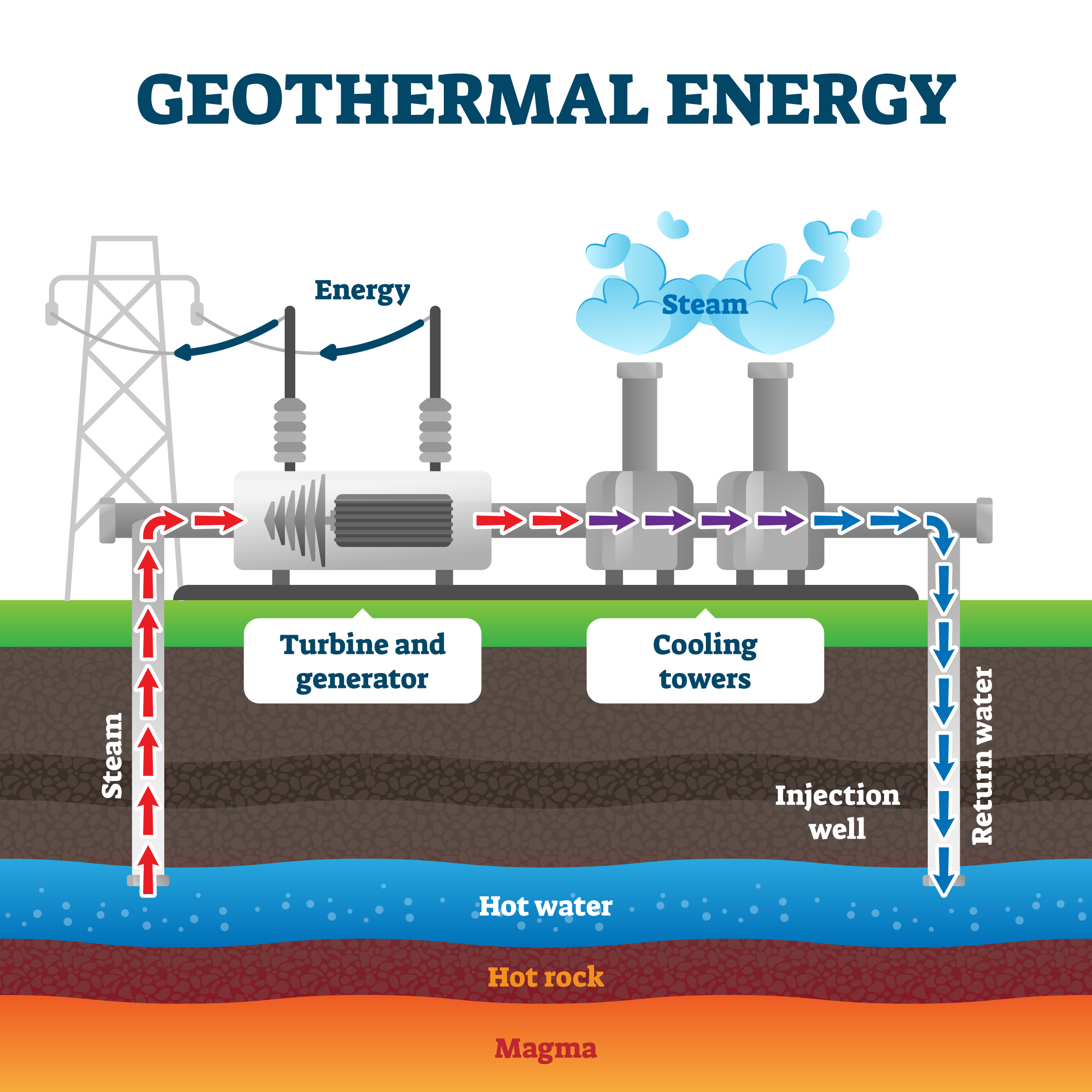
Geothermal energy basically means "Earth heat." Think of it as the planet having its own internal furnace. This furnace creates heat, and that heat can be used to generate electricity or even heat our homes.
So, is this awesome power source renewable or nonrenewable? That's the million-dollar question we're diving into today. Buckle up, because the answer is a bit more nuanced than you might think!
Must Read
Renewable...ish? Understanding the Nuances
Here's the deal. Geothermal energy is often considered a renewable resource. But it's not quite as straightforward as solar or wind power. Let's break it down.
The heat comes from two main sources. Some of it's leftover from when the Earth formed, billions of years ago. The other part comes from the radioactive decay of materials inside the Earth.
Both of these processes are constantly replenishing the heat. It's a continuous, albeit slow, process. So, technically, the heat source itself isn't going to run out anytime soon.
Think of it like this: the Earth is a giant, slow-cooking oven. It's always simmering, always producing heat. That's a pretty reliable source, wouldn't you say?
The Sustainability Catch: It's All About Management
Okay, so if the heat source is practically endless, what's the catch? Well, it comes down to how we use that heat.
Imagine you have a giant mug of hot chocolate. You can sip it slowly and enjoy it for a long time. Or you can gulp it down in one go and be left with an empty mug.
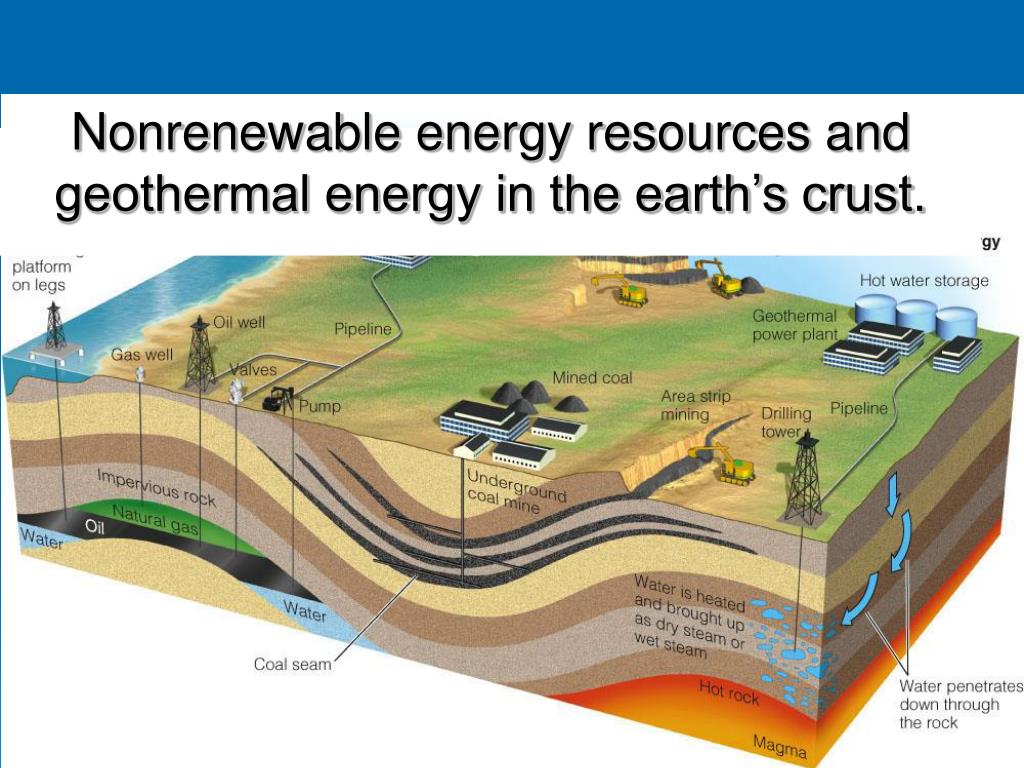
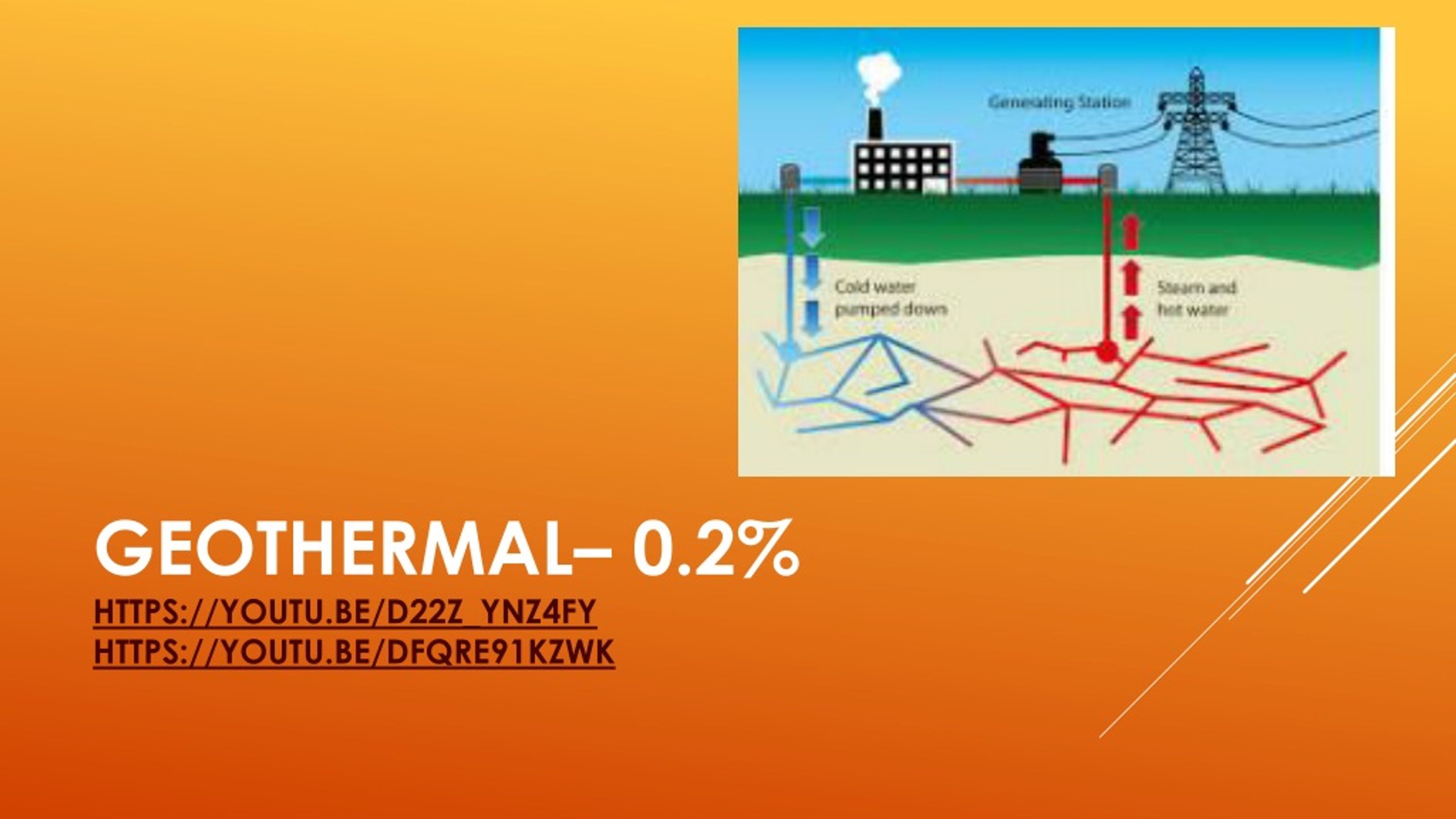
Geothermal reservoirs, the underground pools of hot water and steam we tap into, are similar. We need to use them responsibly to keep them producing for the long haul.
If we extract the heat too quickly, the reservoirs can cool down faster than they can naturally replenish. This can lead to a decrease in energy production over time.
It's like over-pumping groundwater. You can drain an aquifer if you take out water faster than it refills. The same thing can happen with geothermal reservoirs.
This is why careful management and monitoring are crucial for sustainable geothermal energy. We need to make sure we're not over-exploiting the resource.
Geothermal's Awesome Advantages
Despite the need for careful management, geothermal energy has some seriously impressive advantages. These advantages make it worthy of our attention.
First off, it's incredibly reliable. Unlike solar and wind, it's not dependent on the weather. Rain or shine, night or day, the Earth's heat is always there.
Secondly, geothermal power plants have a small footprint. They don't require vast tracts of land like some other energy sources. This is especially important in densely populated areas.
Thirdly, it can be used for more than just electricity. Geothermal heat can also be used directly for heating homes, greenhouses, and even fish farms. Talk about versatility!
Finally, it has relatively low emissions compared to fossil fuels. While it's not entirely emission-free, it's a much cleaner alternative. It contribute to a better environment.
Geothermal Around the World: Hotspots of Activity
Where in the world can you find geothermal energy in action? Turns out, some places are naturally better suited for it than others.
Areas with high volcanic activity, like Iceland, New Zealand, and parts of the United States (especially the West), are prime geothermal hotspots. These areas have naturally occurring underground reservoirs of hot water and steam close to the surface.
Iceland, for example, is a leader in geothermal energy. They use it extensively for electricity generation and district heating. It's a fantastic example of how a country can harness this resource effectively.
The Geysers in California is the largest geothermal power plant in the world. It's been generating electricity for decades and continues to be a significant source of renewable energy.
Even places without active volcanoes can utilize geothermal energy. Geothermal heat pumps can tap into the relatively constant temperature of the Earth just a few feet below the surface.
Geothermal Heat Pumps: Your Backyard Energy Source
Did you know you can use geothermal energy to heat and cool your home? It's true! Geothermal heat pumps, also known as ground-source heat pumps, are a clever way to do it.
These systems use the Earth's stable underground temperature to provide efficient heating and cooling. In the winter, they extract heat from the ground and transfer it into your home. In the summer, they do the opposite, drawing heat out of your home and transferring it back into the ground.
Geothermal heat pumps are incredibly energy-efficient. They can save you a lot of money on your energy bills and reduce your carbon footprint. It's a win-win situation!
While the initial investment can be higher than traditional heating and cooling systems, the long-term savings and environmental benefits are significant. Plus, they're surprisingly quiet and require minimal maintenance.
The Future of Geothermal: Hot Prospects
What does the future hold for geothermal energy? The prospects are looking pretty hot, to be honest. (Pun intended!).
Advancements in technology are making it easier and more affordable to access geothermal resources. Enhanced Geothermal Systems (EGS) are being developed to tap into geothermal resources in areas where naturally occurring reservoirs are not available. These systems create artificial reservoirs by fracturing hot, dry rocks deep underground.
Increased investment in geothermal research and development is also driving innovation. Scientists and engineers are constantly working on new ways to improve the efficiency and sustainability of geothermal energy.
As the world seeks to transition to cleaner energy sources, geothermal energy is poised to play a crucial role. Its reliability, versatility, and relatively low environmental impact make it an attractive option for many countries.
So, Is It Renewable or Not? A Final Thought
Let's circle back to our original question: Is geothermal energy renewable or nonrenewable? The answer, as we've seen, is that it's renewable, but with a caveat.
The Earth's heat source is essentially inexhaustible on a human timescale. However, geothermal reservoirs can be depleted if they are not managed sustainably.
By using responsible extraction practices and investing in research and development, we can ensure that geothermal energy remains a valuable renewable resource for generations to come.
So, next time you think about renewable energy, don't forget about the Earth's own internal furnace. It's a powerful and potentially game-changing resource that deserves our attention.
Who knows? Maybe one day, your home will be powered by the very heat beneath your feet!