
Is Gasoline Made From Crude Oil
Hey there, coffee buddy! Pull up a chair. Got a little brain-teaser for ya. You ever just, like, zone out at the gas pump? Just watching those numbers spin, smelling that familiar… well, gasoline smell? And then your brain does that thing where it goes, "Wait a minute. Where does this stuff actually come from?"
Yeah, me too. And the big question that often pops up is: Is gasoline made from crude oil?
The Big Question, Answered (Kind of!)
Alright, let's cut to the chase, shall we? The super-short, punchy answer is: Yes. Mostly. Overwhelmingly, in fact! Gasoline absolutely, positively comes from crude oil. Like, it's its parent. Its grumpy, black, underground parent.
Must Read
But here's the kicker: it’s not like you just dig up some crude oil, pour it in your tank, and off you go, right? Oh no, my friend. If you tried that, your car would probably look at you with the electronic equivalent of a judgy side-eye and then just… die. A messy, sludgy death. It's not a simple pour-and-go situation, believe me.
Think of crude oil as this amazing, complex, black liquid gold (or just black goo, depending on your perspective) that gets pulled up from deep within the earth. It’s been chilling down there for millions of years, cooking up all sorts of fascinating hydrocarbons from ancient plants and squishy little critters. Nifty, huh?
But Wait, There's a Catch (or a Process!)
So, we've established that gasoline originates from crude oil. But the word "made" is really important here. Because it implies a process. And let me tell you, it's quite the process! It's not just "Oh, look, a puddle of crude! Let's just bottle that up!" Nope. Not even close.
Imagine you're baking a cake. You don't just dump flour, sugar, eggs, and butter into a bowl and call it a cake, do you? (Unless you're going for a deconstructed, avant-garde dessert, but even then!). You mix, you bake, you transform. Crude oil is the same. It's the raw ingredient, not the finished product.
This is where the magic (or, you know, science!) happens. We're talking about massive, industrial-sized alchemy. We're talking refineries. Ever driven past one of those giant complexes with all the pipes and towers and flames? That's where crude oil gets its extreme makeover.
Meet the Refinery: Where the Magic Happens
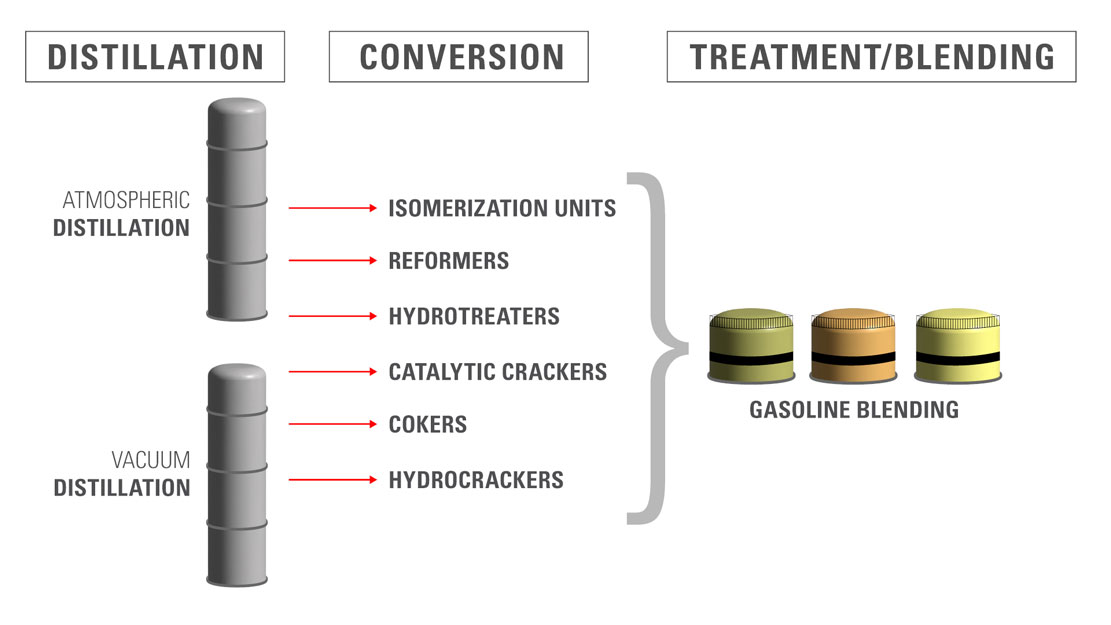
The main act at a refinery is something called fractional distillation. Sounds fancy, right? Really, it's just a super-scientific way of saying: "Let's heat this crude oil up really, really hot, and then catch all the different bits as they evaporate and cool down at different temperatures."
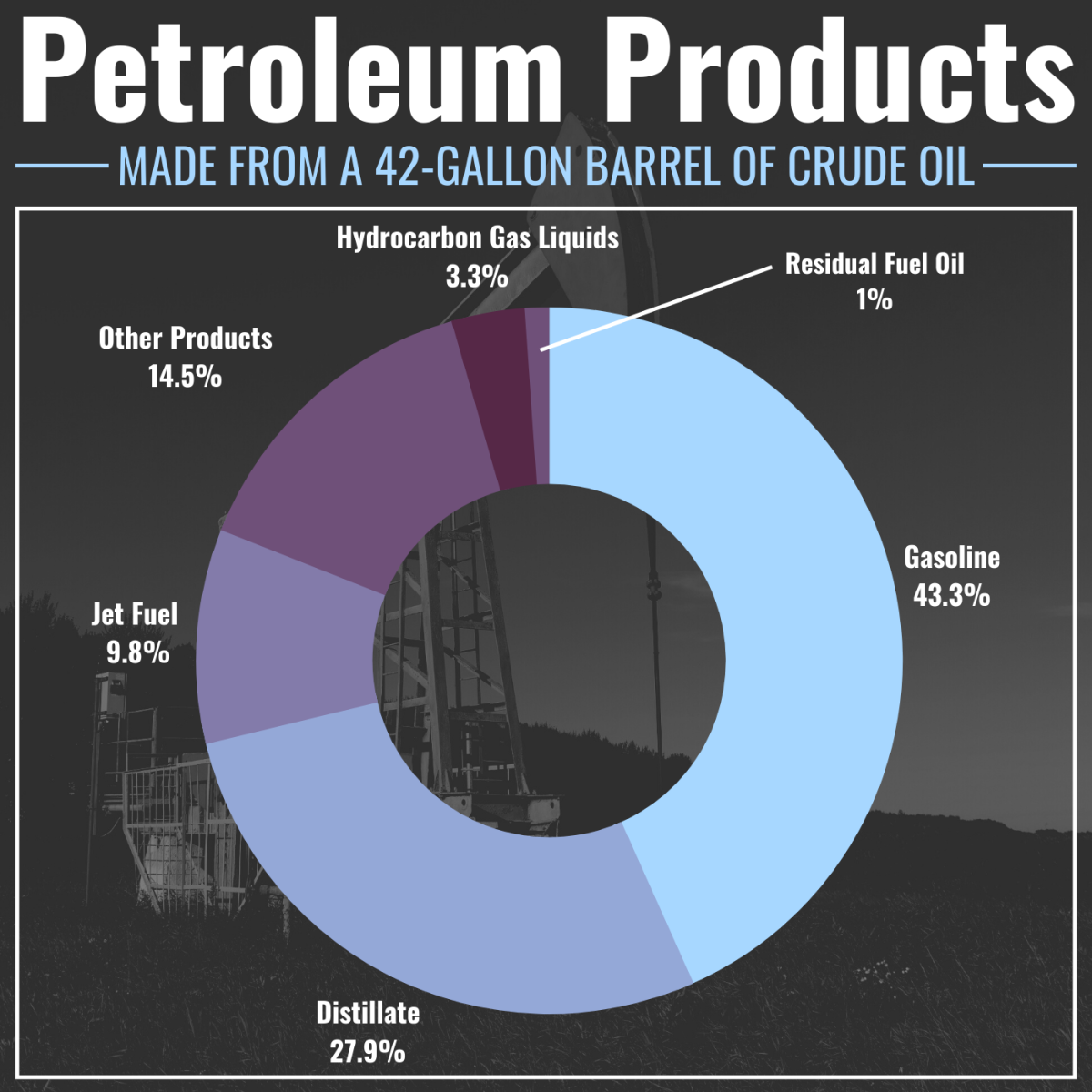
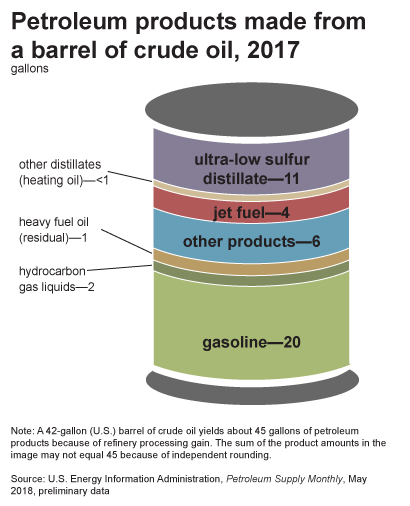
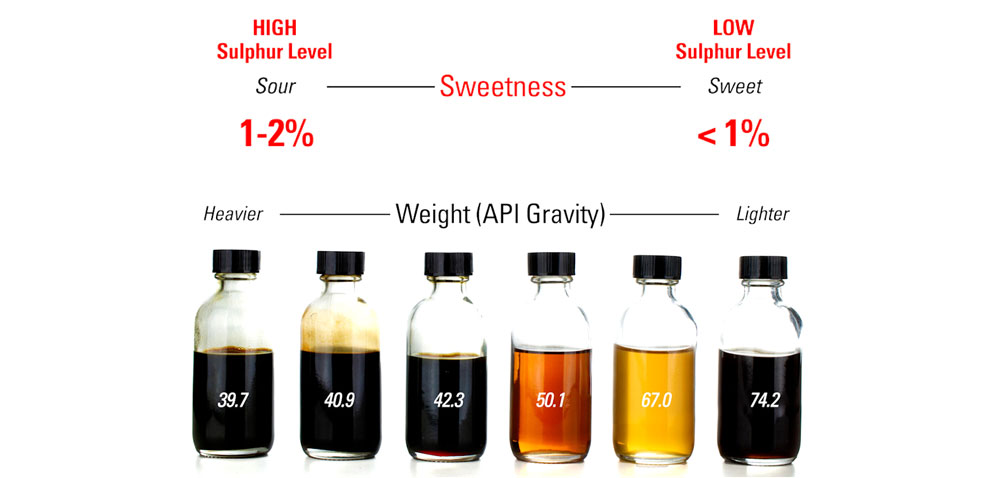
Think of it like boiling a pot of something that has lots of different things in it. The stuff that boils off first, at the lowest temperature? That's one product. The stuff that needs more heat? That's another. And so on. In the case of crude oil, those "different bits" are everything from asphalt (for roads!) to jet fuel, diesel, heating oil, and, yep, you guessed it… gasoline!
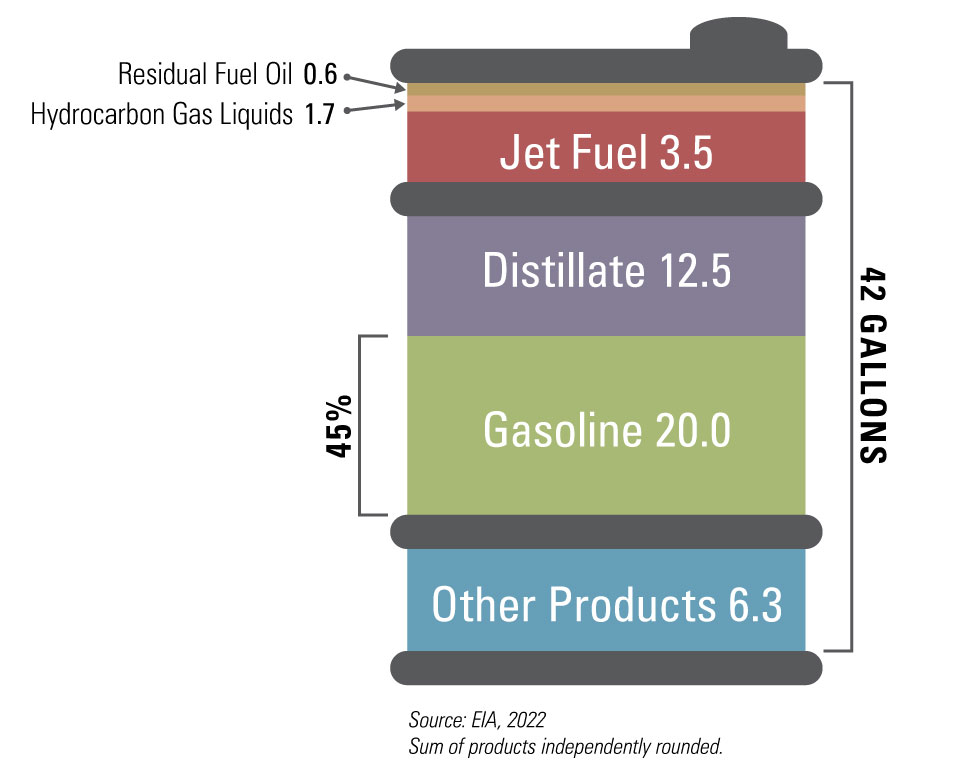
Each of these "fractions" (see, 'fractional distillation' makes sense now!) has a different boiling point. Gasoline, specifically, is a lighter fraction, meaning it evaporates at a lower temperature than, say, the heavy oils used for lubrication or asphalt. It's like sorting your laundry by color, but with heat and science!
And it doesn't stop there! Once they've got the basic gasoline components, they might do even more tricks. They might "crack" heavier molecules into lighter ones to get even more gasoline. Or they might blend different components together to make different octane levels. It's a whole world of petroleum wizardry!
So, Is It 100% Crude? Almost!
While the vast majority of what makes up gasoline comes from crude oil, it's not always 100% pure crude-based goodness. Nowadays, gasoline often gets a little something extra. For example, in many places, it's blended with ethanol, which is usually made from corn or other plant materials. So there's a little bit of nature's other bounty in there too!
Plus, they add special detergents and other additives to help keep your engine clean, prevent knocking, and generally make your car run smoother. Think of them as the secret spices in a gourmet dish – they're not the main ingredient, but they make a difference!
The Takeaway
So, the next time you're filling up your tank, you can nod knowingly. You can tell your car, "I know your secret, buddy. You're fueled by ancient goo that went on an amazing journey!"
It's fascinating, isn't it? From sticky black crude pulled from thousands of feet below the earth, to the clear, volatile liquid that powers our daily commutes and epic road trips. It’s a testament to human ingenuity and, well, the incredible energy stored in those tiny molecules. So, yes, gasoline is absolutely made from crude oil, but it's a star that goes through a major transformation before it ever hits your tank. Pretty cool, right? Now, who wants another coffee?