
Is Gas Cheaper Than Electricity For Cooking
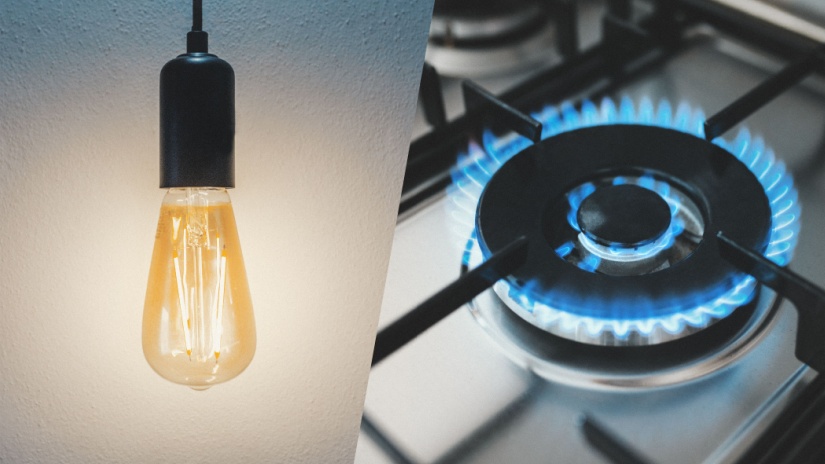
Okay, so we're tackling the age-old kitchen showdown: gas versus electric for cooking. Which one reigns supreme? Which one will leave more cash in your wallet? Let's dive in, shall we?
First things first, let's acknowledge the obvious: everyone's situation is a little different. Your energy rates? Probably wacky and unique. Your cooking habits? Maybe you're a gourmet chef or a cereal-for-dinner kinda person. No judgement here!
The Great Gas Gamble
Generally, gas has historically been cheaper than electricity. Has being the operative word, because things can change faster than you can burn a pot of water (been there, done that!). Think about it, gas prices fluctuate like crazy. One minute you're celebrating a bargain, the next you're weeping at the pump.
Must Read
But, typically, a unit of natural gas (measured in therms or CCF) will give you more bang for your buck than a unit of electricity (kilowatt-hours, or kWh). More heat, longer cooking time...you get the gist.
Plus, let's be real, gas stoves offer that instant heat, that visual feedback. You can see the flame, adjust it like a pro, and feel like you're on Chopped. Electricity? Not quite as dramatic. Unless you count the potential for shocking yourself, which, you know, we're actively trying to avoid.
![Gas vs Electric Stove Monthly Cost, Which is Cheaper? [2025]](https://www.electricrate.com/wp-content/uploads/2022/08/Depositphotos_18576151_S.jpg)
Electric Avenue (And Its Costs)
Now, electricity's got its perks, too. Electric stoves, especially the induction kind, are super efficient. Like, shockingly efficient (pun intended, naturally!). Induction cooktops heat the pan directly, instead of heating the burner and then the pan. Less wasted energy, more perfectly seared scallops.
The downside? Induction cooktops often require specific types of cookware. Say goodbye to your grandma's favorite cast iron skillet unless it's induction-compatible. That's an extra expense to consider, right?
And, while electric stoves can be cheaper to buy upfront, the running costs are where things get tricky. Depending on your electricity rates, you might be paying a premium to power your culinary creations.
The Fine Print (Because There's Always Fine Print)
Okay, let’s get down to brass tacks. Here's what you really need to do to figure this out for yourself:
- Check your bills: Dig out your gas and electricity bills. See how much you're paying per unit for each. It's boring, I know, but it's crucial!
- Compare apples to apples: Online calculators are your friend! There are tons of websites where you can plug in your energy rates and compare the cost of cooking with gas versus electricity.
- Think about your cooking style: Do you simmer sauces for hours? Sear steaks at high heat? Your cooking habits will drastically affect your energy consumption.
Also, don't forget about things like installation costs. If you don't already have a gas line to your kitchen, adding one can be expensive. And safety! Gas leaks are no joke. Make sure you have a carbon monoxide detector, no matter what you cook with.

So, What's the Verdict?
Honestly? It depends. (I know, I know, that's the most annoying answer ever.)
Generally, gas can be cheaper, especially if you already have a gas line and you're a heavy-duty cook. But electricity, particularly induction, is catching up, especially if you have lower electricity rates.
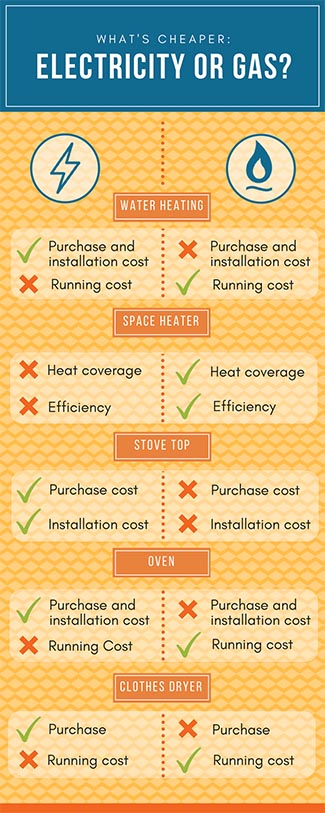
The best advice? Do your homework! Compare your specific energy rates, consider your cooking habits, and weigh the pros and cons of each option. And hey, maybe just embrace takeout. Just kidding… mostly.
Ultimately, the best cooking method is the one that makes you happy (and feeds you!). So go forth, cook something delicious, and don't stress too much about the energy bill. Okay, maybe stress a little bit.
Happy cooking!