
Is Fusion The Same As Melting

Hey there, curious mind! Ever been casually chatting about science (because, why not?) and someone mentions "fusion," and you immediately picture a delicious scoop of ice cream melting into a puddle on a hot sidewalk? Or maybe you think of something equally chill, like a block of ice becoming a refreshing drink? If so, you're not alone! The word "fusion" can certainly conjure up some frosty, watery images.
But what if I told you that while melting and a certain kind of fusion share a tiny bit of linguistic DNA, they are actually as different as a warm summer breeze and a supernova explosion? Spoiler alert: one is way, way more dramatic than the other! Let's dive in and clear up this delightful confusion, because honestly, understanding the difference makes the universe a whole lot more fascinating.
Melting: Your Everyday Phase Shifter
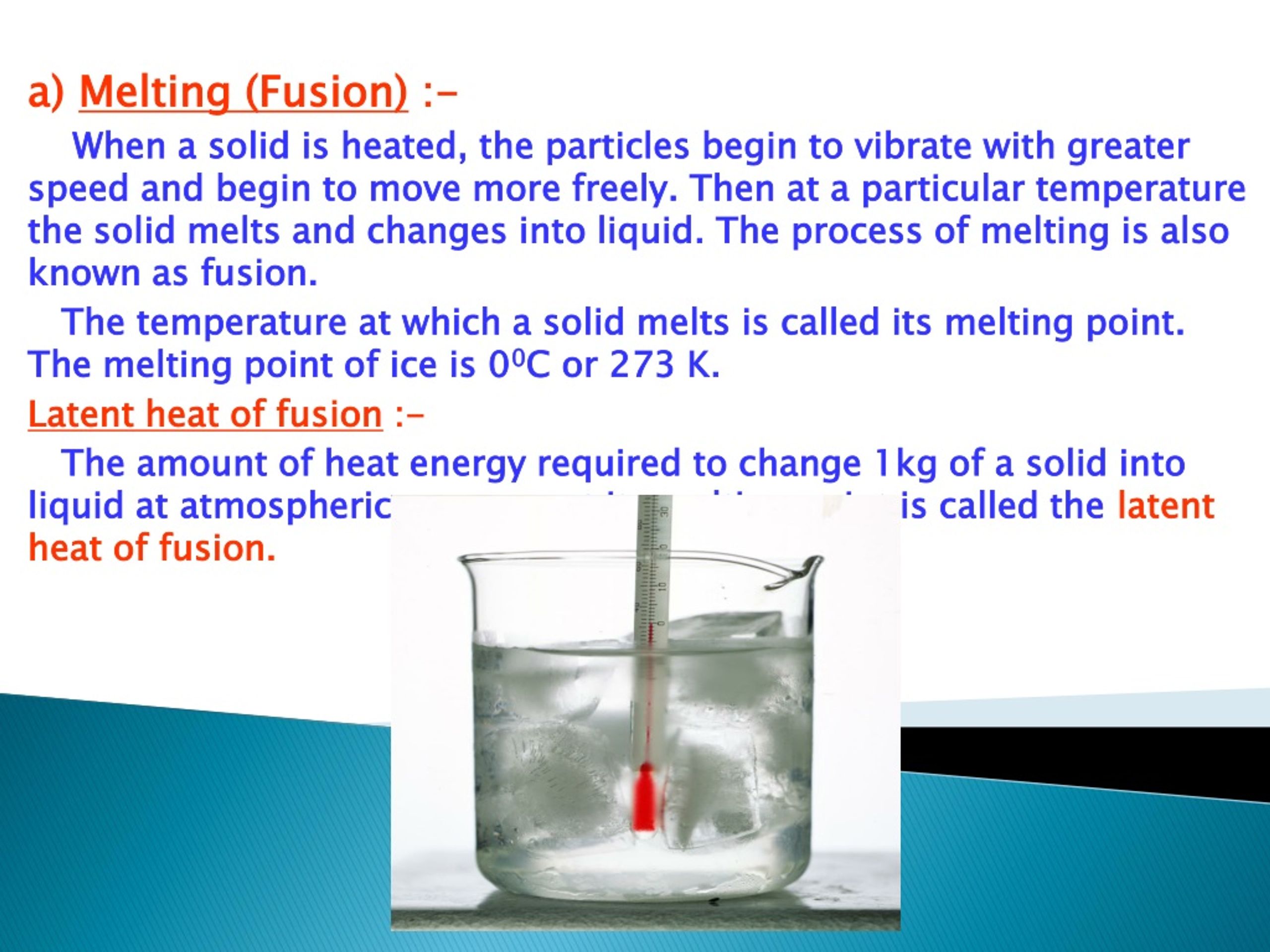
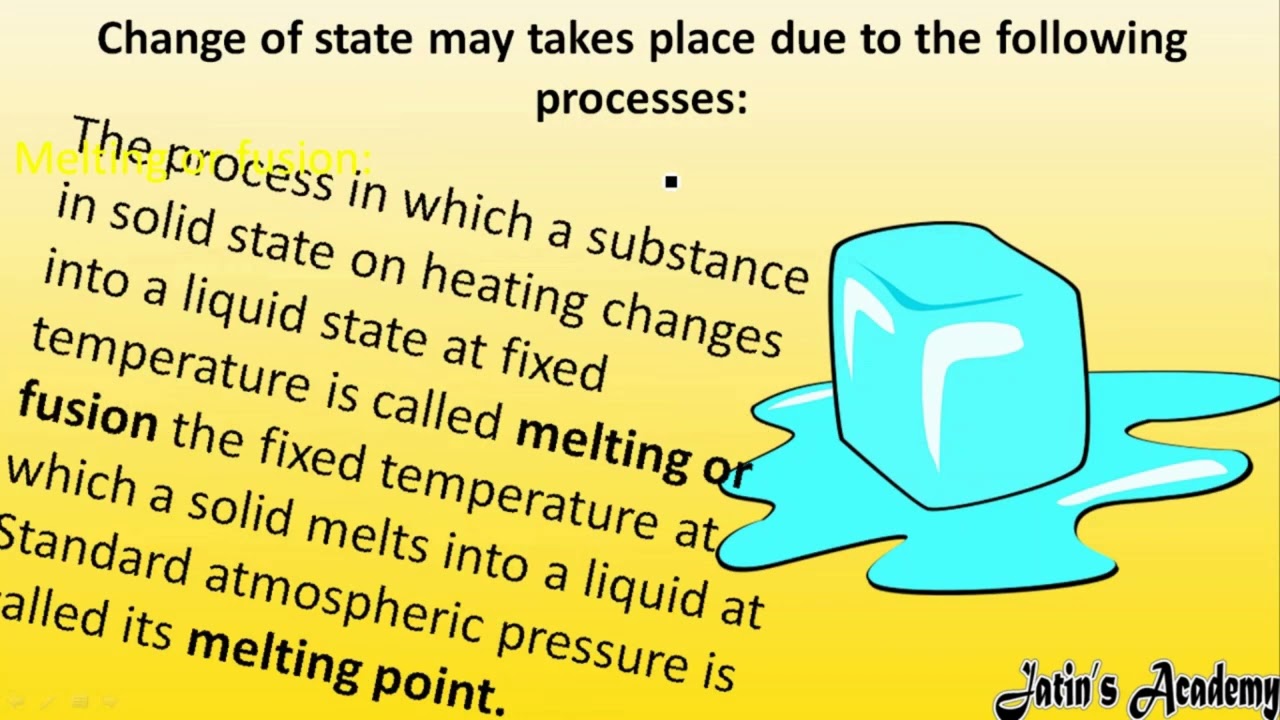
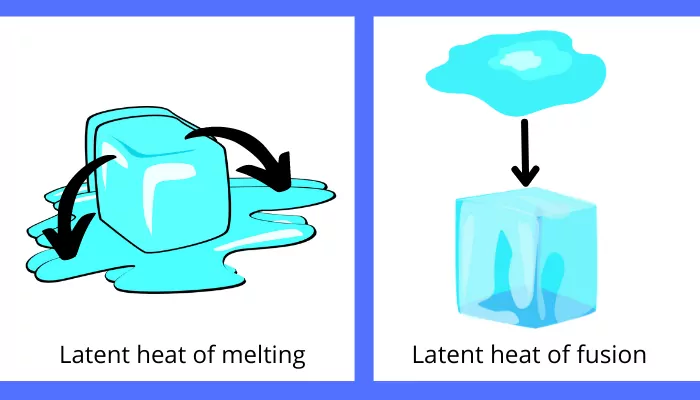
First, let's talk about melting. This is our old friend, the concept we've known since we were kids. You take a solid – say, an ice cube, a chocolate bar, or even a stick of butter – and you add heat. What happens? It turns into a liquid! Voila!
Must Read
When something melts, its molecules (the tiny building blocks that make up everything) simply get more energy. They start jiggling and wiggling faster and faster until they break free from their rigid, solid structure and can slide past each other. It’s like a tightly packed concert crowd suddenly deciding to start dancing! The crowd is still the same people, just moving around a lot more freely.
Crucially, during melting, the actual substance doesn't change. An ice cube is H₂O. When it melts, it's still H₂O, just in liquid form. You haven't created anything new; you've just changed its physical state. It's a physical change, not a chemical or nuclear one. Easy-peasy, right?
Fusion: The Cosmic Powerhouse!
Now, buckle up, buttercup, because we're about to blast off to the stars! When scientists talk about "fusion" in a big, scientific, world-changing way, they're usually referring to nuclear fusion. And let me tell you, this is a whole different ballgame. Forget your ice cream; we're talking about the power source of the entire universe!
Nuclear fusion is what happens in the heart of our Sun (and every other star out there, too!). It's a process where two or more light atomic nuclei – picture the super tiny centers of atoms, usually hydrogen – are slammed together with incredible force. We're talking mind-boggling temperatures and pressures, like nothing you'd find on Earth naturally!
When these nuclei fuse, they combine to form a heavier nucleus. For example, in the Sun, hydrogen nuclei fuse to create helium. But here's the truly wild part: the resulting helium atom is actually slightly less massive than the sum of the original hydrogen atoms. "Wait, what?" you might ask. That tiny bit of "missing" mass isn't gone; it's converted directly into a colossal burst of energy. Yes, you guessed it – E=mc² in action!
This isn't just a physical change; it's a nuclear change. You're not just moving atoms around; you're fundamentally changing them into new elements! This process unleashes an unbelievable amount of energy, which is why the Sun shines so brightly and gives us all that lovely warmth and light.
Why the Mix-Up? And Why It's Fun to Know!
So, why do we use the same word, "fusion," for melting and for creating new elements in a star? Well, the word "fuse" essentially means "to join" or "to merge." In melting, the particles merge into a liquid state. In nuclear fusion, atomic nuclei literally merge to become something new. Language can be wonderfully tricky, can't it?
But knowing the difference? That’s where the real fun begins! Suddenly, when you hear about scientists trying to achieve "fusion energy" on Earth, you realize they're not just trying to melt a really big ice cube. Oh no! They're trying to replicate the immense power of the Sun, right here on our planet, to create clean, virtually limitless energy. How cool is that?!
Think about it:
- Melting lets us cook delicious meals, enjoy refreshing drinks, and create beautiful art. It’s part of our everyday comfort and joy.
- Nuclear Fusion powers the stars, forged the elements that make up our bodies and everything around us, and holds the promise of a sustainable energy future. It’s literally cosmic creation and potential for humanity!
Doesn't that just make your brain fizz with excitement? Knowing this small but significant distinction unlocks a deeper appreciation for both the simple wonders of daily life and the grand, mind-boggling scale of the universe.
Go Forth and Wonder!
So, next time you watch an ice cube gracefully melt into your drink, take a moment to appreciate that simple, beautiful physical change. And then, when you feel the warmth of the sun on your face, remember the colossal, powerful nuclear fusion reaction happening millions of miles away, creating that very energy.
The world is absolutely brimming with incredible scientific wonders, just waiting for curious minds like yours to uncover them. Don't be afraid to ask questions, even if they seem silly at first. Because sometimes, clearing up a simple word choice can open up a whole new universe of understanding. Keep wondering, keep learning, and keep being awesome! The more you understand, the more fun life becomes.