
Is Fossil Fuel A Renewable Or Nonrenewable Resource
Ever wondered about the stuff that powers our cars, heats our homes, and keeps the lights on? Yeah, we're talking about fossil fuels! But here's the burning question (pun intended!): are these energy sources like the never-ending breadsticks at your favorite Italian restaurant (renewable), or are they more like that limited-edition chocolate bar you know you'll devour in one sitting (nonrenewable)? Let's dive in!
What Exactly Are Fossil Fuels, Anyway?
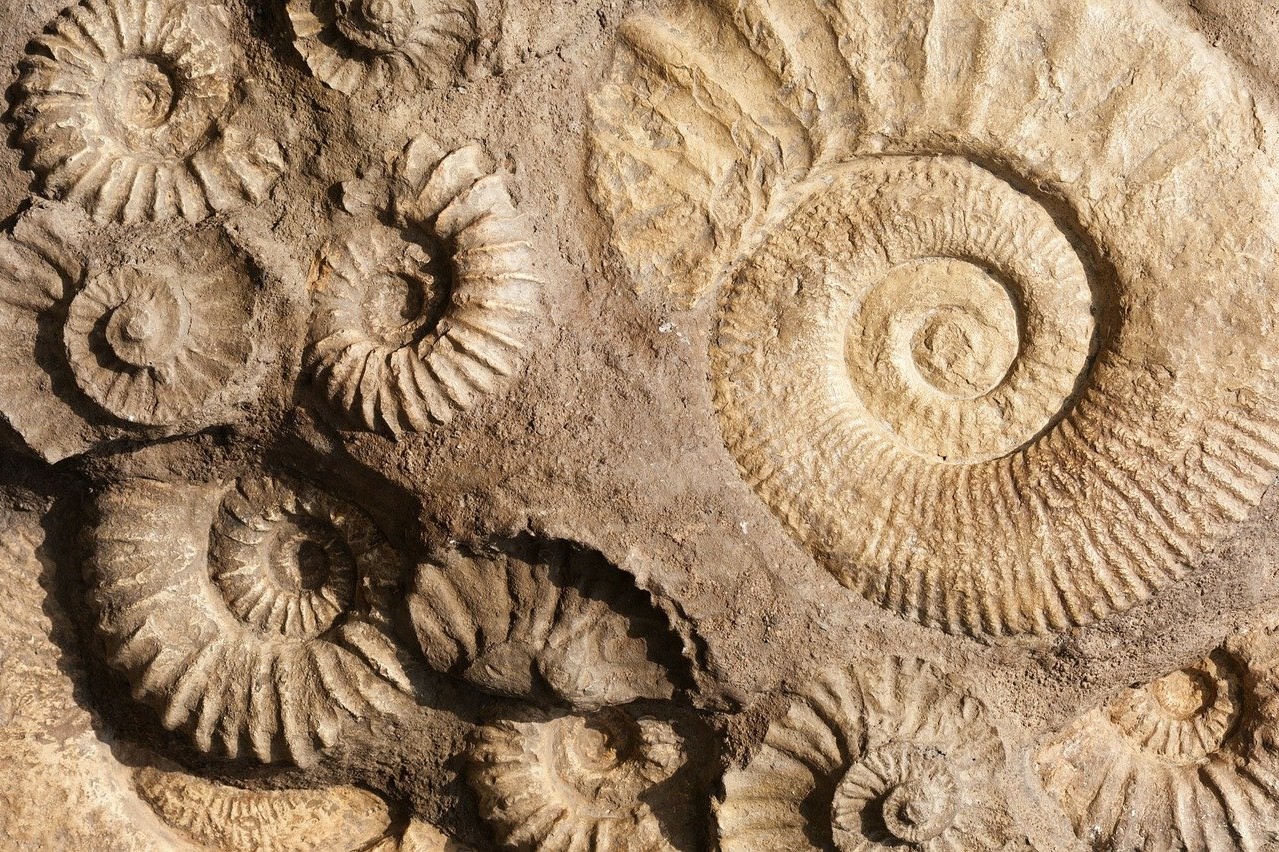
Think of fossil fuels as ancient, super-compressed sunshine, stored underground for millions of years. They're basically the remains of prehistoric plants and animals – the original recyclers, if you will! Over eons, pressure and heat transformed this organic matter into coal, oil (also known as petroleum), and natural gas.
The "Renewable" Dream: A Field of Solar Panels vs. A Fossil Fuel Pit Stop
Okay, imagine this: you're driving across the country. You've got two choices for refueling. Option one: a field shimmering with solar panels, constantly generating power from the sun. Option two: a gas station where you're tapping into a finite supply of gasoline. Which one sounds more sustainable?
Must Read
That field of solar panels is our analogy for renewable resources. They're resources that replenish themselves naturally at a rate comparable to our consumption. The sun keeps shining, the wind keeps blowing, and the rivers keep flowing – giving us solar, wind, and hydropower. We can use these resources without significantly depleting them.
Now, that gas station? That's more like our current situation with fossil fuels. They are definitively nonrenewable resources. Once we burn them up, they're gone – poof! It would take millions of years for nature to create more at the rate we're using them, and that's a bit longer than our next road trip.
The (Really, Really) Long Wait
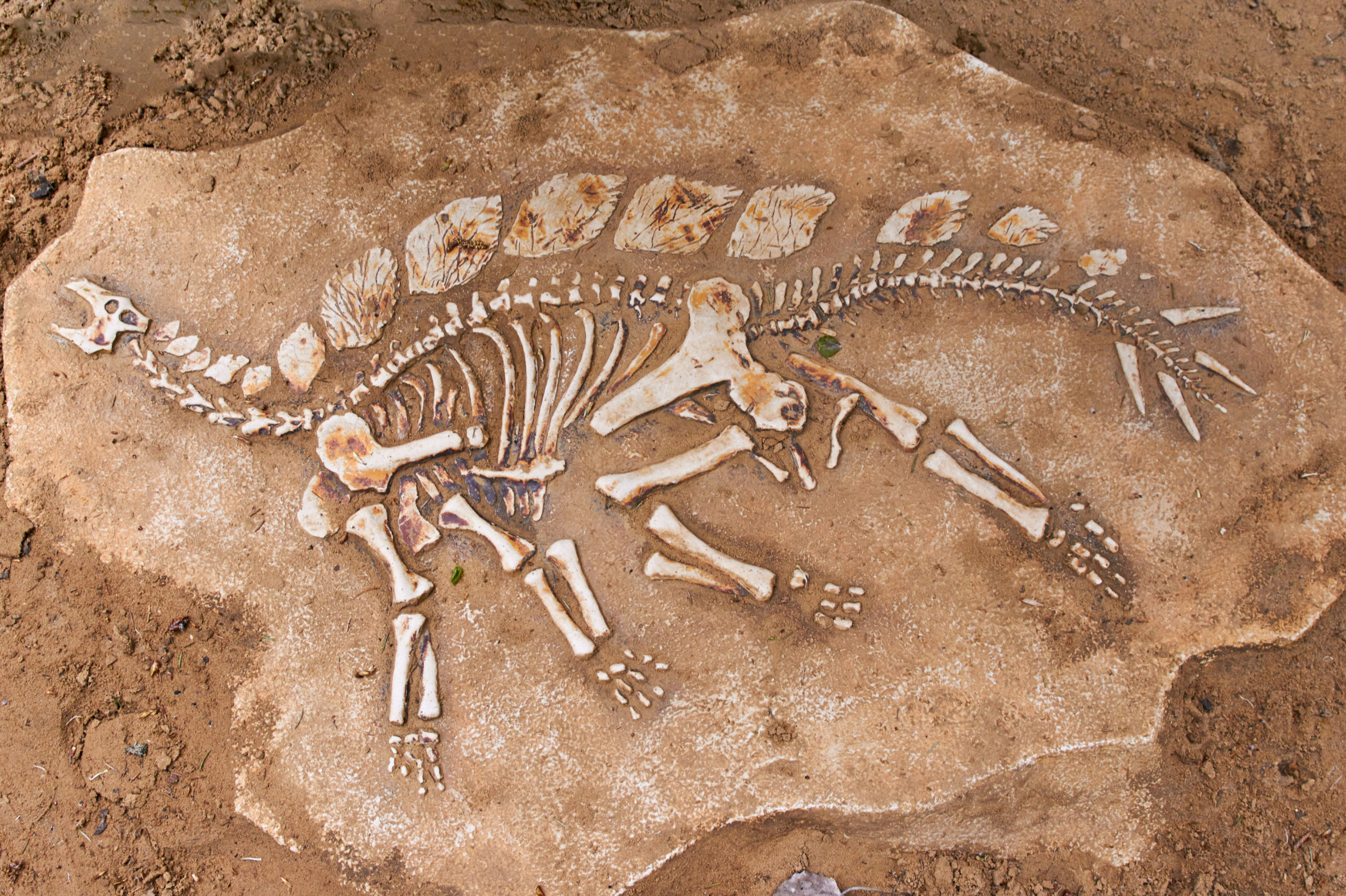
To illustrate just how long it takes to create fossil fuels, imagine you're trying to bake a cake. A really, really slow cake. Like, bake-for-millions-of-years slow. You start with a few prehistoric ferns and maybe a dinosaur bone or two (for extra flavor, obviously!). Then, you bury it all underground, crank up the heat and pressure...and wait. And wait. And wait some more. After a few million years, maybe you'll have a tiny bit of coal. A truly pathetic cake, if you ask me!
The point is, the process is incredibly slow. So slow that it's essentially a one-time deal for us. We're burning through a resource that took nature millions of years to create, and we're doing it at a pace that's, well, unsustainable.

Why Does It Matter?
So, why is this whole renewable vs. nonrenewable thing so important? Well, burning fossil fuels releases greenhouse gases into the atmosphere, which contribute to climate change. Think of it like throwing a giant blanket over the Earth – it traps heat and messes with our planet's natural balance. Not ideal!
By transitioning to renewable energy sources, we can reduce our reliance on fossil fuels and create a cleaner, healthier planet for ourselves and future generations. It's like switching from that unhealthy, processed snack to a nutritious, homemade meal. Your body (and the planet) will thank you!
The Takeaway: Choose Wisely!
So, the verdict is in: Fossil fuels are absolutely, positively, undeniably nonrenewable resources. They're like that rare stamp collection – once it's gone, it's gone. Luckily, we have plenty of other energy options to explore, from solar and wind to geothermal and hydropower. Embracing these renewable resources is a win-win for everyone. It's good for the environment, good for the economy, and good for our future. Now, go forth and spread the word (and maybe plant a tree while you're at it)!
Let's keep the planet energized, sustainably! Let's ditch the limited-edition chocolate bar and embrace the all-you-can-eat buffet of renewable energy!
