
Is Flux Necessary For Soldering

Have you ever watched someone solder? It looks a bit like magic, doesn't it?
Tiny pieces of metal melt together, creating strong, shiny connections.
It’s how countless gadgets, from your smartphone to your TV, come to life.
Must Read
But there’s a little secret ingredient, a silent hero, behind many successful solder joints.
This hero is called flux. And it often sparks a big question: is flux really necessary for soldering?
Let’s dive into why this humble substance is such a big deal.
The Sticky Problem: Why Metal Needs a Helper
Imagine trying to glue two greasy plates together. It just wouldn't work, right?
Metals, even if they look clean to your eye, have their own kind of "grease."
When exposed to air, metal surfaces quickly form a thin layer called oxidation.
This invisible film acts like a barrier, preventing solder from sticking properly.
Solder simply won't flow well over an oxidized surface. It'll bead up like water on a waxed car.
This leads to weak, unreliable connections. And nobody wants that in their favorite electronics project!
Enter the Hero: What Flux Does
This is where flux enters the scene, capes fluttering in the wind.
Its primary job is to be a fantastic cleaner, scrubbing away those pesky oxide layers.
Think of it like a superhero attacking grime, clearing the way for a perfect bond.
But flux doesn't stop there; it’s a multi-talented marvel.
As you heat up your metal and solder, more oxidation can form.
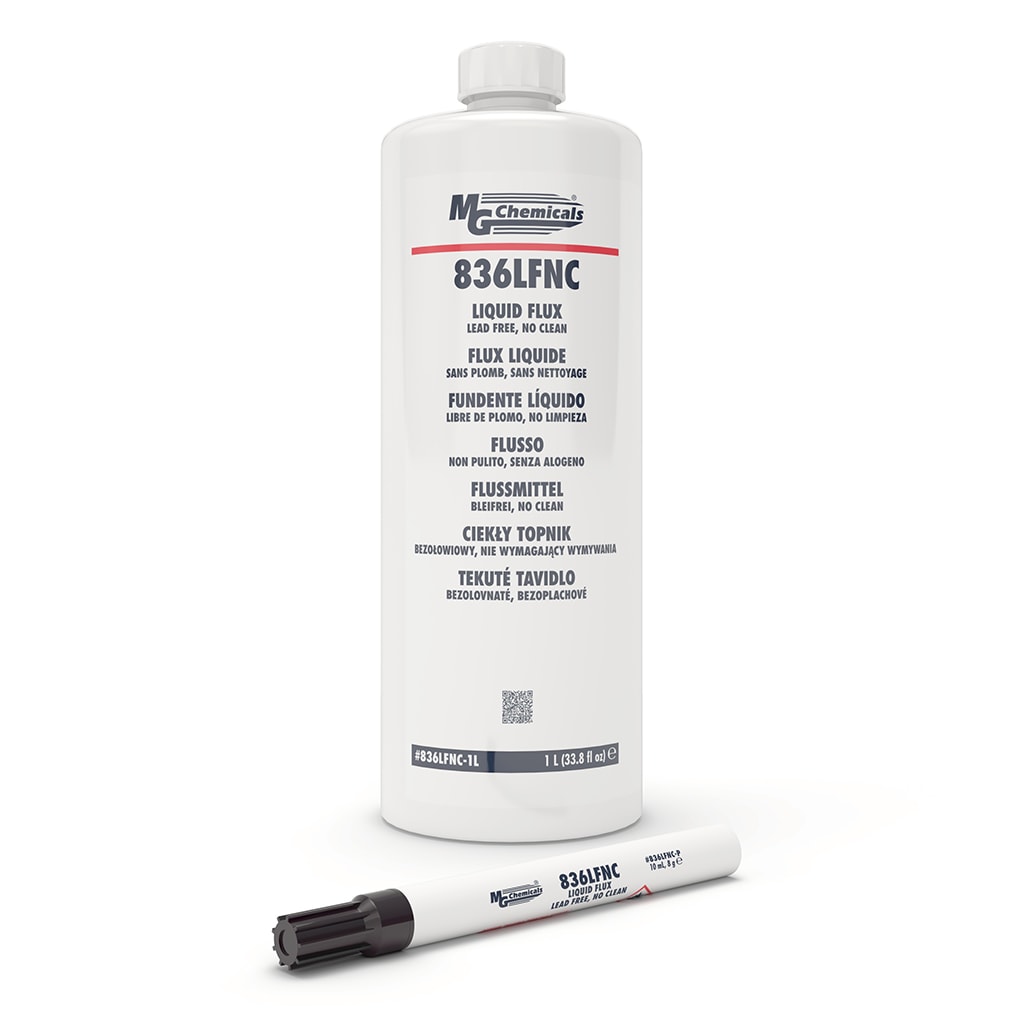
Flux acts as a protective shield, stopping new oxides from appearing while you work.
It creates a clean, pristine environment for the solder to do its job.
This means your solder can flow freely, wetting the surfaces beautifully.
It allows the solder to spread out smoothly, making a strong, reliable connection.
The Magic of Flow and Shine
When flux is present, you’ll notice the solder seems to magically "suck in" to the joint.
It makes the whole process feel incredibly satisfying, almost effortless.
The finished joint will look bright, shiny, and smooth, like a tiny silver sculpture.
Without flux, the solder often looks dull, lumpy, or forms spikes.
These are what we call "cold joints," and they are the bane of any solderer's existence.
They might work for a little while, but they are destined to fail.
Is It Always Necessary? The Big Question!
So, back to our main question: is flux absolutely necessary?
For most successful soldering, especially in electronics, the answer is a resounding YES!
You might sometimes hear people say they don't use external flux.
This is often because they are using solder wire that already has flux inside it.

Many common solder wires are actually tiny tubes filled with a core of flux.
When you melt the solder, the flux melts first and does its job, all from within the wire itself.
So, even when you think you're not using it, a clever version might be hard at work!
But for trickier jobs, older components, or just wanting the best possible connection, extra flux is your best friend.
It ensures that every surface is perfectly prepared for soldering.
When You Might Try Without (But Really Shouldn't)
Could you technically make a connection without flux?
Perhaps, if your metals are absolutely, sparklingly, surgically clean, and brand new.
But even then, the heat from your soldering iron will cause some oxidation instantly.
So, while possible in theory for the most basic, non-critical tasks, it’s rarely a good idea in practice.
Skipping flux is like baking a cake without any leavening agent. It might hold together, but it won't be good.
The result will almost always be a weaker, less reliable, and frankly, ugly joint.
The Downsides of Skipping Flux
What happens if you decide to go rogue and skip the flux?
You’ll likely end up with what’s known as a "cold joint."
These joints look dull and grainy, sometimes even like a blob sitting on top of the connection.

They don't have proper electrical continuity and can cause intermittent problems or complete failure.
Your circuits might not work, or they might work unpredictably, which is incredibly frustrating.
You’ll spend more time troubleshooting and re-doing work than if you’d just used flux to begin with.
Imagine putting hours into a project, only for it to fail because of one tiny, overlooked step.
That's the kind of heartbreak flux helps you avoid.
Different Flavors of Flux
Just like there are different types of glue, there are different types of flux for different jobs.
There's rosin flux, a classic that leaves a residue you might want to clean.
Then there are "no-clean" fluxes, which leave very little residue, so you can often just leave it.
And water-soluble fluxes, which are super easy to clean up with just plain water.
Each type has its own strengths, but they all share the core mission: to make your soldering shine.
The key is that for every soldering task, there’s a flux designed to help.
Why It's So Entertaining and Special
The magic of soldering isn't just in making connections; it's in the transformation.
Watching solder flow perfectly, forming a smooth, silvery ramp, is incredibly satisfying.
It feels like you’ve mastered a small but significant skill.

And flux is a huge part of creating that satisfying experience.
It turns a potentially frustrating struggle into a smooth, rewarding process.
The moment you apply flux and see the solder suddenly "wet" the pad is truly special.
It’s a clear demonstration of how a little helper can make a huge difference.
It empowers you to create reliable, professional-looking joints, even as a beginner.
"Flux isn't just an additive; it's a game-changer that turns potential failure into glittering success."
The Verdict: Don't Skip the Secret Sauce!
So, is flux necessary for soldering? Almost always, yes!
It’s the unsung hero that ensures clean, strong, and beautiful solder joints every time.
It cleans, protects, and aids the flow of solder, turning a tricky task into an enjoyable one.
Whether it’s hidden inside your solder wire or applied separately, flux is indispensable.
Don't let a tiny invisible layer of oxidation ruin your hard work.
Embrace the power of flux, and enjoy the gleaming results of your soldering adventures.
It’s a small step that leads to a world of difference in your projects.
Give it a try and see the magic for yourself!