Is Electricity A Form Of Energy

Ever flicked a light switch, charged your phone, or enjoyed a perfectly chilled drink from your fridge without a second thought? Electricity powers so much of our modern world, becoming as vital as the air we breathe. But have you ever stopped to wonder, really wonder, about what it actually is? It's a question that might seem simple, but its answer opens up a fascinating window into the very fabric of how our universe operates!
Delving into whether electricity is a form of energy isn't just for science buffs or electricians. Understanding this fundamental concept helps us appreciate the incredible invisible forces at play all around us. It demystifies everything from why your laptop hums to how massive power grids work. Knowing this helps us become more informed about energy efficiency, renewable sources, and even our own carbon footprint. It’s about being truly aware of the power that literally fuels our lives!
So, let's get straight to the point: Is electricity a form of energy? The resounding answer is a big, enthusiastic YES!
Must Read
Think about what energy really is. In simple terms, energy is the ability to do work. And electricity definitely fits that bill! It can light up a room, spin the motor in your blender, heat your oven, and even propel an electric car down the highway. Each of these actions is a form of "work" being done, all thanks to electricity.
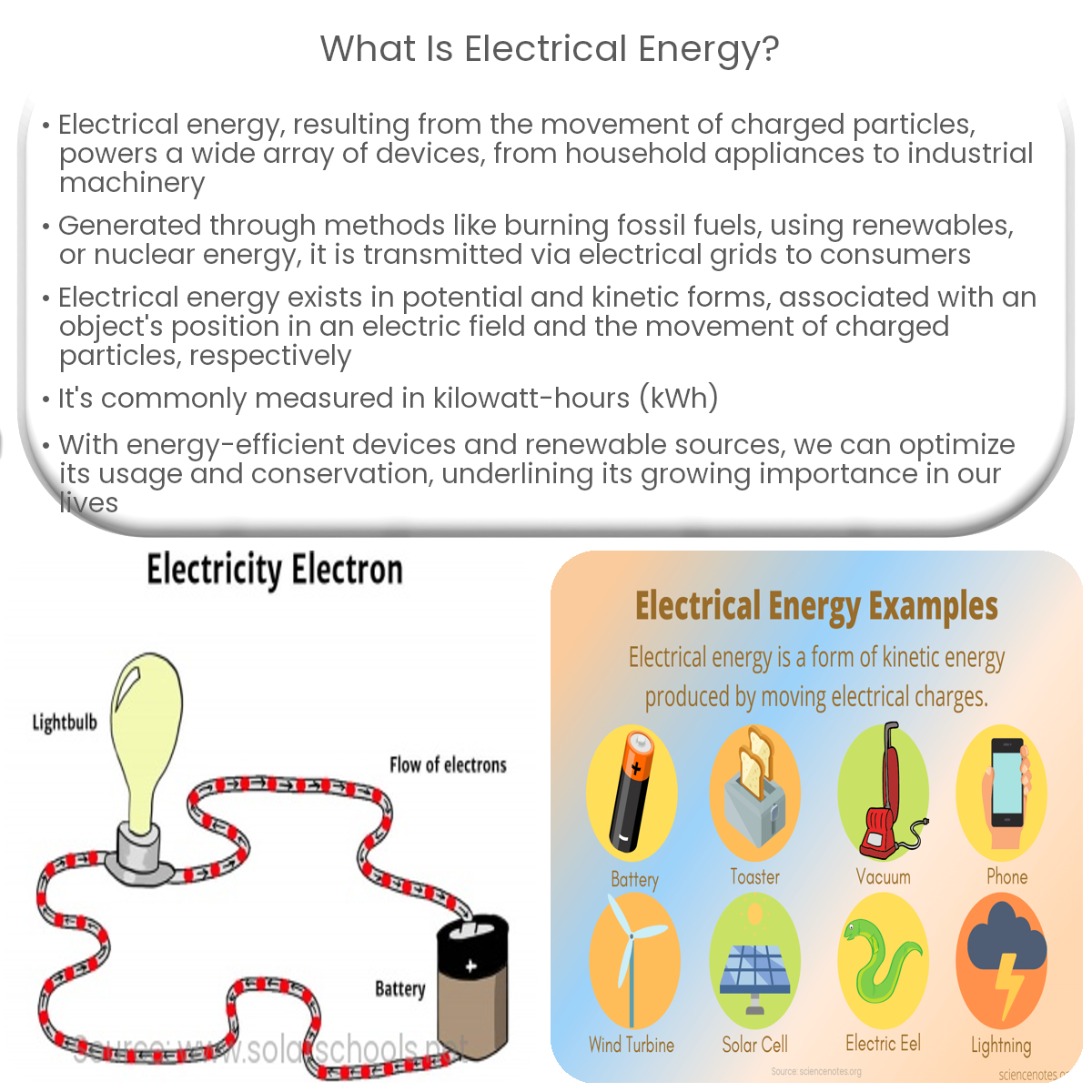
More specifically, electricity is a manifestation of electromagnetic energy. It involves the flow of tiny, charged particles called electrons, usually through a conductor like a wire. When these electrons move, they possess kinetic energy (energy of motion). This organized flow of electrons can then be harnessed and converted into other forms of energy that we use every day.

For instance, when electricity lights a bulb, it's converting electrical energy into light energy and heat energy. When it runs a fan, it's converting electrical energy into mechanical energy. It's a wonderfully versatile medium for transferring energy from one place to another and transforming it into whatever we need. Electricity itself isn't a "source" of energy in the same way coal or solar panels are; rather, it's a carrier or transmission mechanism for energy that originated elsewhere (from chemical reactions in batteries, nuclear reactions in power plants, or the sun's rays on solar panels, for example).
So, the next time you plug in a device or watch your city light up at night, take a moment to appreciate the incredible dance of electrons. Electricity isn't just some abstract concept; it's a powerful, tangible form of energy, constantly at work, making our modern world possible. Pretty cool, right?