
Is Electric Bill Higher In Winter Or Summer

Okay, so picture this: I'm huddled under a mountain of blankets, wearing three sweaters (fashion statement, obviously), and still shivering. My apartment thermostat? Cranked up higher than my anxiety levels during tax season. All for that sweet, sweet illusion of warmth. But then the electric bill arrives, and BAM! Reality check. Wallet cries. Was I just burning money faster than a dragon with indigestion?
Which got me thinking – and researching, because adulting – is this a winter-specific problem, or am I equally doomed in the summer when the AC's working overtime to prevent me from melting into a human puddle? The eternal question: is the electric bill higher in winter or summer? Let’s dive in, shall we? Prepare for some possibly mind-blowing revelations (or, you know, just common sense reinforced).
The Great Seasonal Showdown: Winter vs. Summer Energy Use
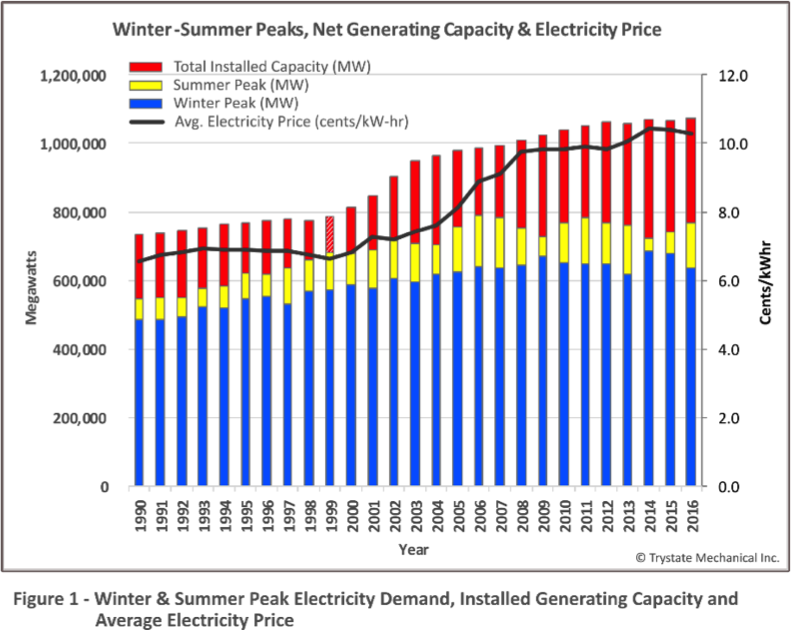
Here's the short answer, with a slight caveat: For most people, the electric bill tends to be higher in the summer. Yes, you read that right. But hold your horses (or snowshoes), it's not always a clear-cut victory for Team Summer.
Must Read
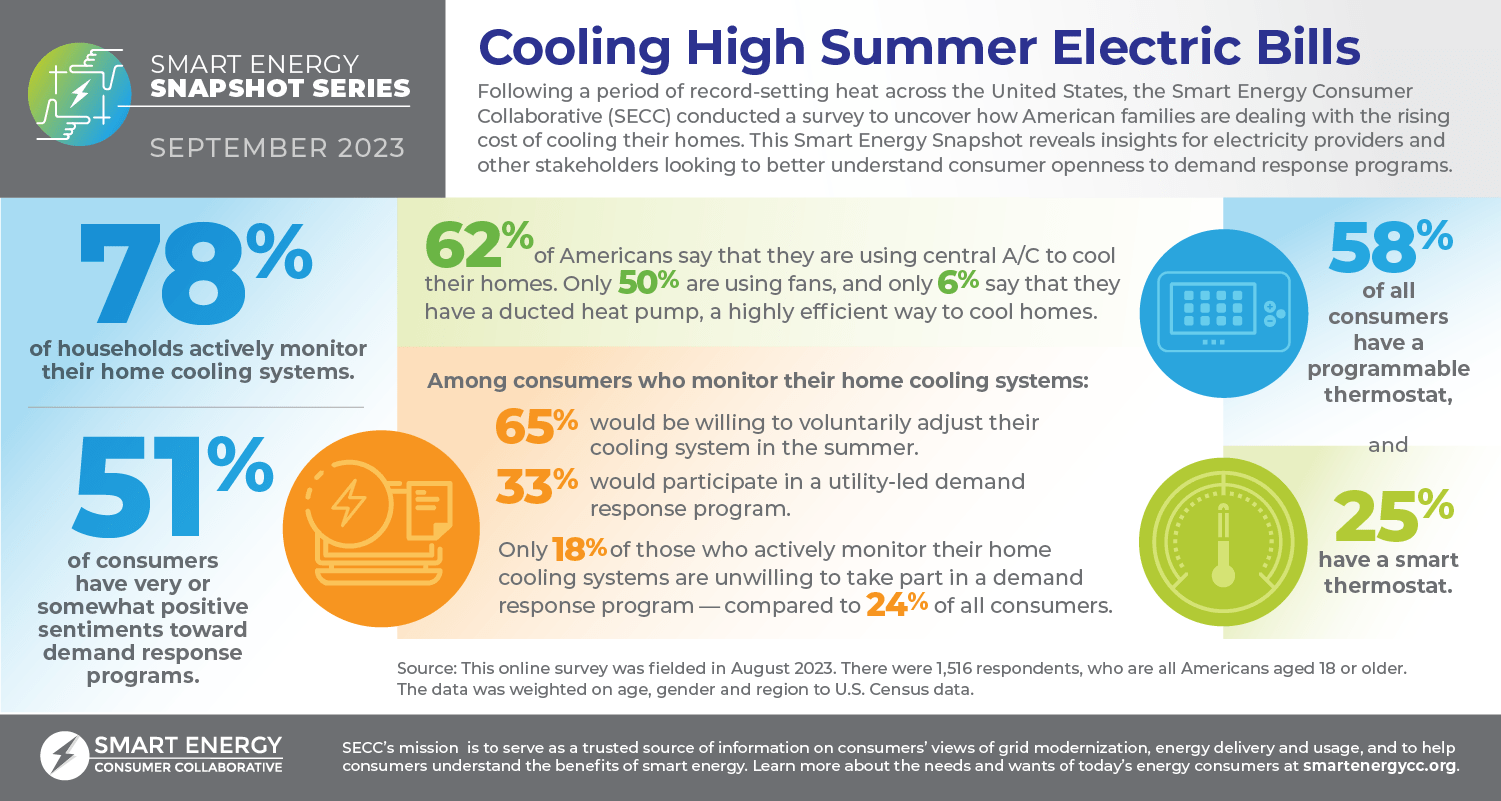
The main reason summer often wins the prize for "Most Expensive Energy Season"? Air conditioning. AC units are energy hogs. Plain and simple. They work hard to fight the laws of physics and make your indoor space significantly cooler than the fiery inferno outside. All that hard work? It shows up on your bill. Big time.
Think about it: constantly running your AC on full blast, especially during heat waves (which seem to be happening more and more frequently, thanks, climate change), is like leaving a faucet dripping… except the dripping is money, and it's flowing directly into the electric company's coffers. (Anyone else feeling a little resentful right now? No? Just me? Okay.)

Side note: factors such as energy efficiency of appliances, insulation quality, climate region, and personal energy consumption habits will affect this answer.
Why Winter Can Still Pack a Punch
Okay, so summer usually wins, but winter isn't exactly a pushover. Especially if you rely on electric heating. If you have a heat pump, your electric bill might be lower than someone with a gas furnace (depending on efficiency and gas prices, of course - it's all so complicated, isn't it?). But if you're rocking electric baseboard heaters, radiant heaters, or, heaven forbid, space heaters… get ready for some sticker shock. Those things are energy vampires in disguise!
Why? Because they're basically turning electricity directly into heat, which is a very energy-intensive process. Plus, unlike ACs that often cycle on and off, electric heaters tend to run continuously to maintain a set temperature, particularly in older buildings with poor insulation.
Also, let's not forget the shorter days of winter. More darkness means more lights being switched on. And while LED bulbs are way more efficient than their incandescent ancestors, all those extra hours of illumination still add up over the course of a month. Think about holiday lights too. Cute and festive? Yes. Cheap to run? Not so much.
Another Side note: Don't forget that when the days are shorter in the winter, people tend to spend more time at home and use more electricity.
Location, Location, Location (and Insulation, Insulation, Insulation!)
Your geographic location plays a huge role. If you live in a region with mild winters and scorching summers, your summer electric bill will likely dwarf your winter one. Conversely, if you live in a place where the polar vortex is a regular visitor, your winter heating costs could easily surpass your summer cooling costs.
And then there's insulation. Good insulation is like a cozy blanket for your house. It helps keep the heat in during the winter and the heat out during the summer, reducing the workload (and energy consumption) of your heating and cooling systems. Bad insulation? Well, that's like trying to heat or cool your house with the windows open. A recipe for financial disaster!
So, What's the Bottom Line?
Ultimately, the answer to the "winter vs. summer electric bill" question depends on a bunch of factors: your climate, your heating/cooling system, your insulation, and your personal energy habits. But in general, air conditioning is a bigger energy hog than heating, meaning most people will see higher electric bills in the summer.
The best way to know for sure? Track your energy usage! Look at your past bills, and compare your summer and winter consumption. And hey, maybe it's time to invest in some better insulation or a more energy-efficient appliance. Your wallet (and the planet) will thank you for it!
Now, if you’ll excuse me, I’m going to go adjust my thermostat… and maybe consider investing in a really, really warm onesie.