Is Eco Mode Bad For Your Car
Ever wondered if hitting that "Eco" button in your car is actually a good idea, or if it's secretly doing more harm than good? You're not alone! It's a common question that pops up in conversations, online forums, and even casual chats among friends. In a world where fuel prices seem to be on a constant roller coaster, anything that promises to save a few pennies at the pump becomes instantly popular and super useful. But does Eco Mode really deliver, and is there a hidden catch for your beloved vehicle? Let's dive in and demystify this modern car feature that many of us use or simply wonder about!
For first-time car owners or those just getting to grips with their vehicle's features, understanding Eco Mode can be incredibly beneficial. It helps you grasp how your car's systems work together to optimize fuel efficiency, giving you a greater sense of control and knowledge about your ride. For families, the benefits are even clearer: potentially significant savings on fuel costs for daily commutes, school runs, and those essential family road trips. Imagine stretching your fuel budget further without having to change your route! Even for casual car enthusiasts who love to understand the mechanics without getting too technical, Eco Mode offers a fascinating glimpse into how modern vehicles balance performance with environmental considerations. It's about making smarter choices for your wallet and the planet.
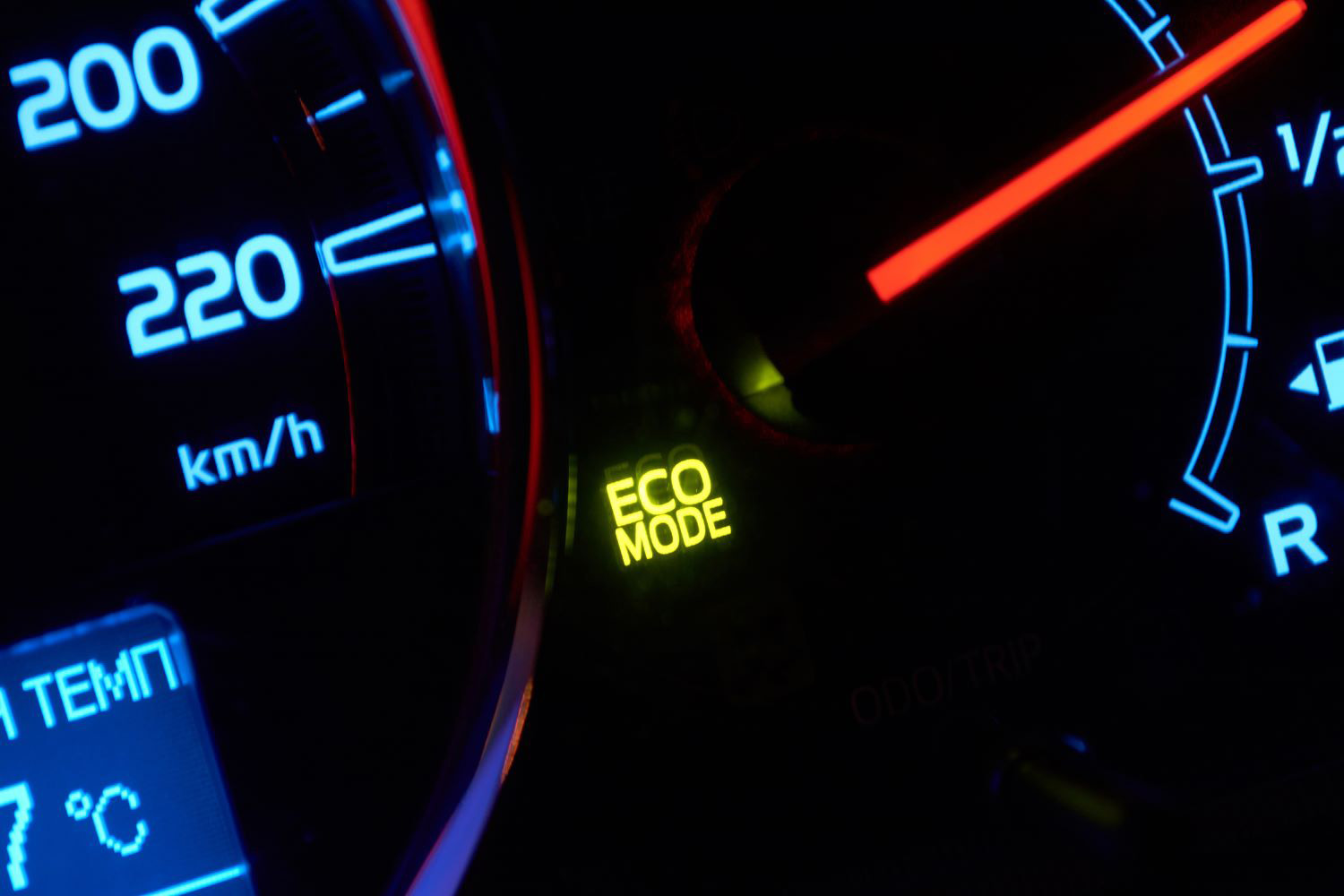
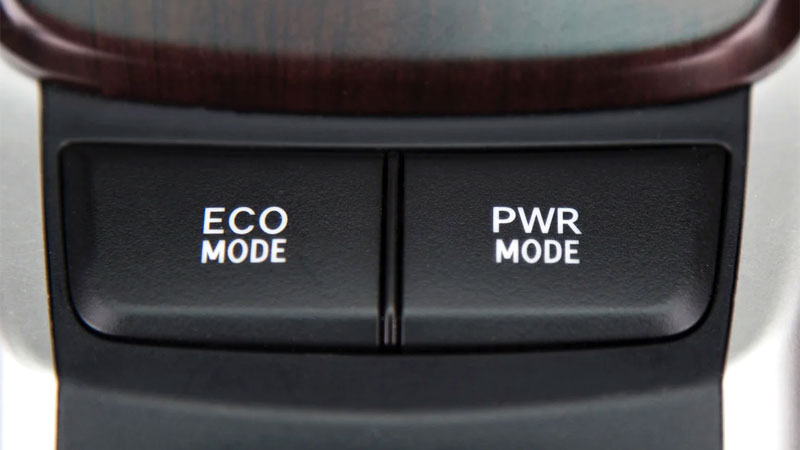
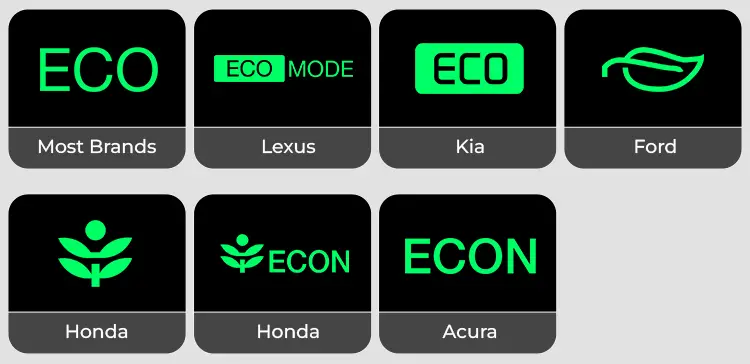
So, what exactly does Eco Mode do? Think of it as your car's built-in "efficiency manager." When activated, it typically makes several subtle adjustments. For instance, it often dampens the throttle response, meaning your car won't accelerate as aggressively even if you press the pedal hard. This encourages smoother, more fuel-efficient driving. In automatic transmissions, it might prompt earlier gear shifts to keep the engine RPMs lower. Some vehicles also tweak the air conditioning system, making it run a bit less intensely, or modify regenerative braking in hybrids to maximize energy recovery. Different manufacturers have their own takes – you might see a dedicated "ECON" button in a Honda, while a Toyota might simply have an "Eco Mode" setting. These variations all aim for the same goal: to make your car sip fuel rather than gulp it.
Must Read
Now for the burning question: Is Eco Mode bad for your car? The short answer is: No, not generally! Modern cars are designed to operate efficiently, and Eco Mode simply optimizes existing systems for better fuel economy. It's not "damaging" your engine or transmission. However, there are times when you might want to switch it off. For example, if you need quick acceleration to merge safely onto a busy highway or to overtake, Eco Mode's subdued response might actually put you in a less safe situation. The same goes for climbing steep hills where you might need more power. My simple tips? Try it out! Experiment with Eco Mode on different types of roads – city, highway, suburban – and observe your fuel economy readings. You'll likely find that it encourages a smoother, more relaxed driving style. Just remember to switch it off when you need that extra surge of power.
Ultimately, Eco Mode isn't some sinister feature secretly ruining your car. It's a clever tool designed to help you save fuel and drive more efficiently. It encourages better driving habits and can genuinely put more money back in your pocket. So, next time you see that "Eco" button, embrace it as an ally in your quest for fuel savings. Understanding how and when to use it allows you to get the most value from your vehicle, making your everyday driving a little bit smarter and a lot more economical. Enjoy the ride, and enjoy those extra miles per gallon!