
Is Crude Oil A Natural Resource

Alright, gather 'round, folks! Let me tell you about a funny thing that happened just last week. I was scrolling through some comments on a random forum – you know, as one does when avoiding actual responsibilities – and someone asked, quite innocently, "Is crude oil even a natural resource? Like, really natural?"
And for a split second, I just breezed past it. "Duh," I thought, "of course it is!" But then, my brain, being the curious little badger it is, started poking.
Is it? What even makes something "natural"? Is a perfectly round pebble I found on the beach natural? What about that ridiculously vibrant, chemically enhanced fruit snack my kid loves? (Definitely not natural, for the record.)
It sent me down a rabbit hole, as these things often do, and I ended up thinking way too much about crude oil. So, grab a cuppa, or whatever your preferred brain-fuel is, because we're going to unravel this slightly philosophical, slightly scientific, and totally intriguing question together. You game? Good.
Must Read
So, Is Crude Oil a Natural Resource?
Let's cut to the chase, shall we? The short, uncomplicated answer is a resounding, "Yes! Absolutely, unequivocally, it IS a natural resource."
Why, you ask? Because it's formed entirely by
natural processes

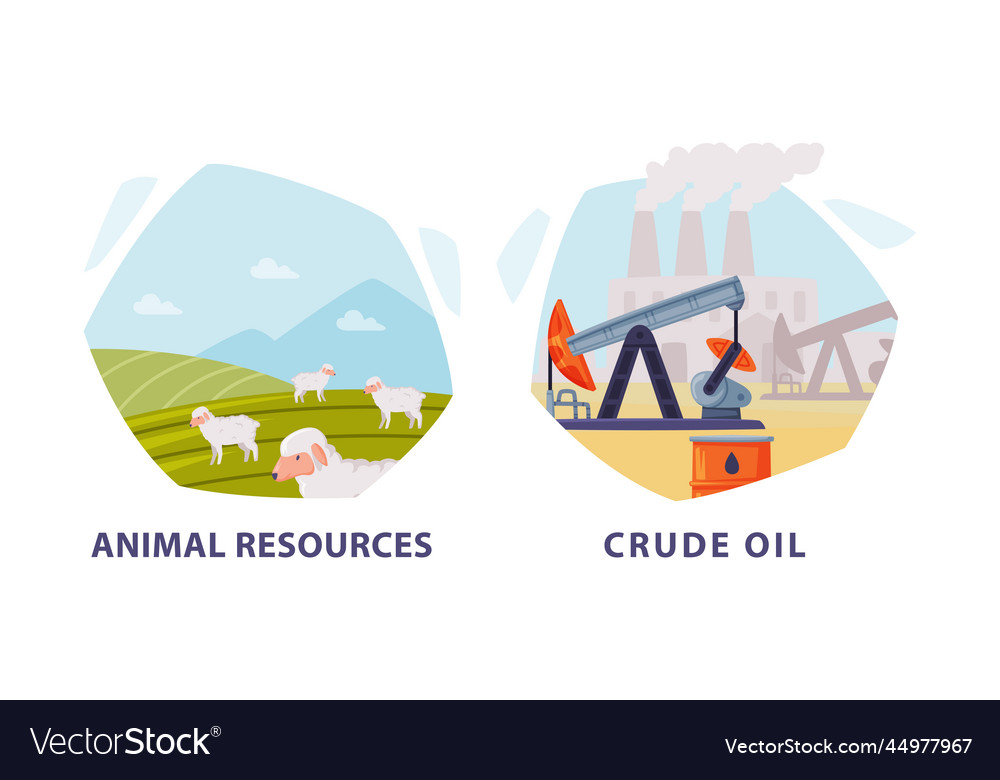
Think about it: tiny marine organisms, plants, and algae die, sink to the bottom of ancient seas and lakes, and get buried under layers of sediment. Over eons – and I mean, truly mind-boggling amounts of time – intense heat and pressure from the Earth's crust transform that organic gunk into what we know as crude oil (and natural gas). Pretty wild, right? It's literally the decomposed remains of ancient life, slowly cooked and pressed into a liquid gold.
So, in the purest sense of the word, it's something Mother Nature concocted all on her own. We just happen to be incredibly good at finding it and, well, extracting it. Sometimes, I imagine Mother Nature sighing heavily every time we drill another well. "Oh, them again," she probably mutters.
But Wait, There's a Catch (or Two!)
Now, while it definitely ticks the "natural" box, here's where things get a little more nuanced, and dare I say, slightly ironic. While crude oil is natural, it's also a
non-renewable resource
.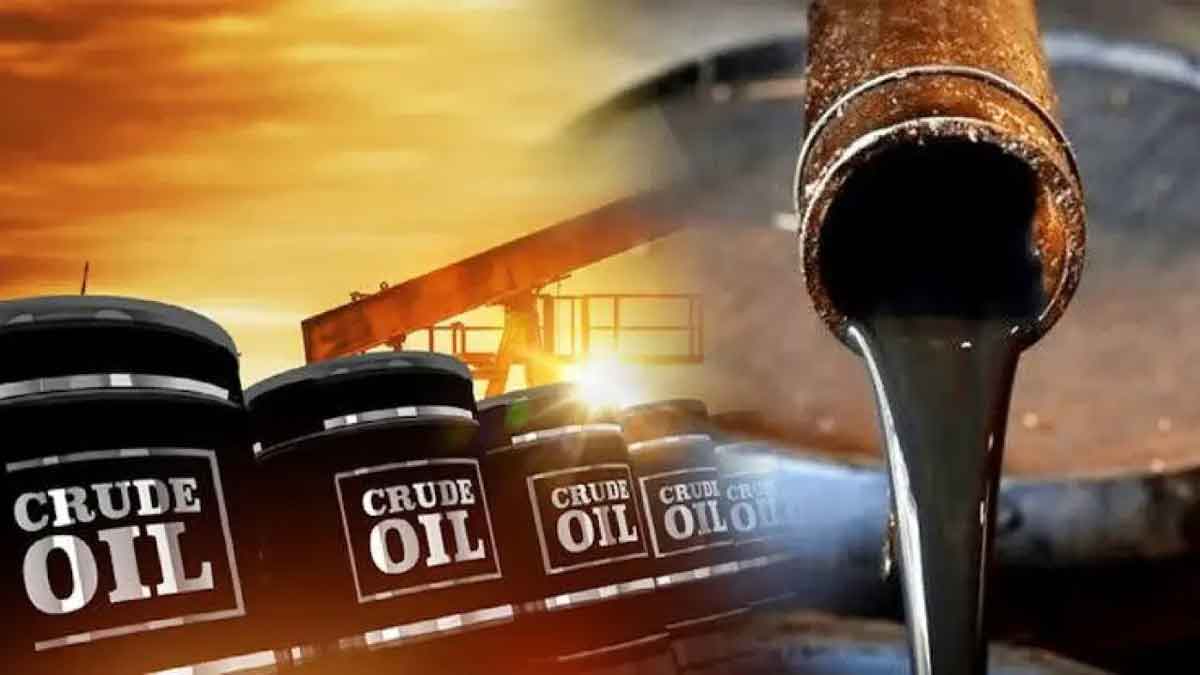
This is crucial, folks. "Non-renewable" means that while it's forming all the time, the rate at which it forms is unbelievably, impossibly slow on a human timescale. We're talking millions upon millions of years for new crude oil to develop. Compare that to, say, sunlight (pretty much infinite), or even timber (we can replant trees, if we're smart about it).
We humans, on the other hand, are absolute champions at consumption. We extract and burn crude oil at a rate that completely dwarfs its formation rate. Think of it like a giant savings account that took ages to fill up, and we're just withdrawing huge chunks of cash every single day without any new deposits. Eventually, you're going to hit zero, right?
So, while it's natural, our relationship with it isn't exactly sustainable. It's a finite gift from geological history, and we're gobbling it up faster than you can say "fossil fuels." This is where the initial question gets its teeth – it’s natural, yes, but its
availability

The Big Picture, For Us Earthlings
So, to bring it all back: yes, crude oil is unequivocally a natural resource. It's born of the Earth, by the Earth, for the Earth (though we're the primary consumers, obviously). But the real "aha!" moment is understanding that "natural" doesn't automatically mean "endless" or "sustainable."
It's a finite, non-renewable resource that we've become incredibly dependent on. And recognising that distinction—that something can be both natural and exhaustible—is, I think, a pretty important step in figuring out our future on this amazing planet of ours. What do you think? Pretty mind-bending for a simple question, huh?