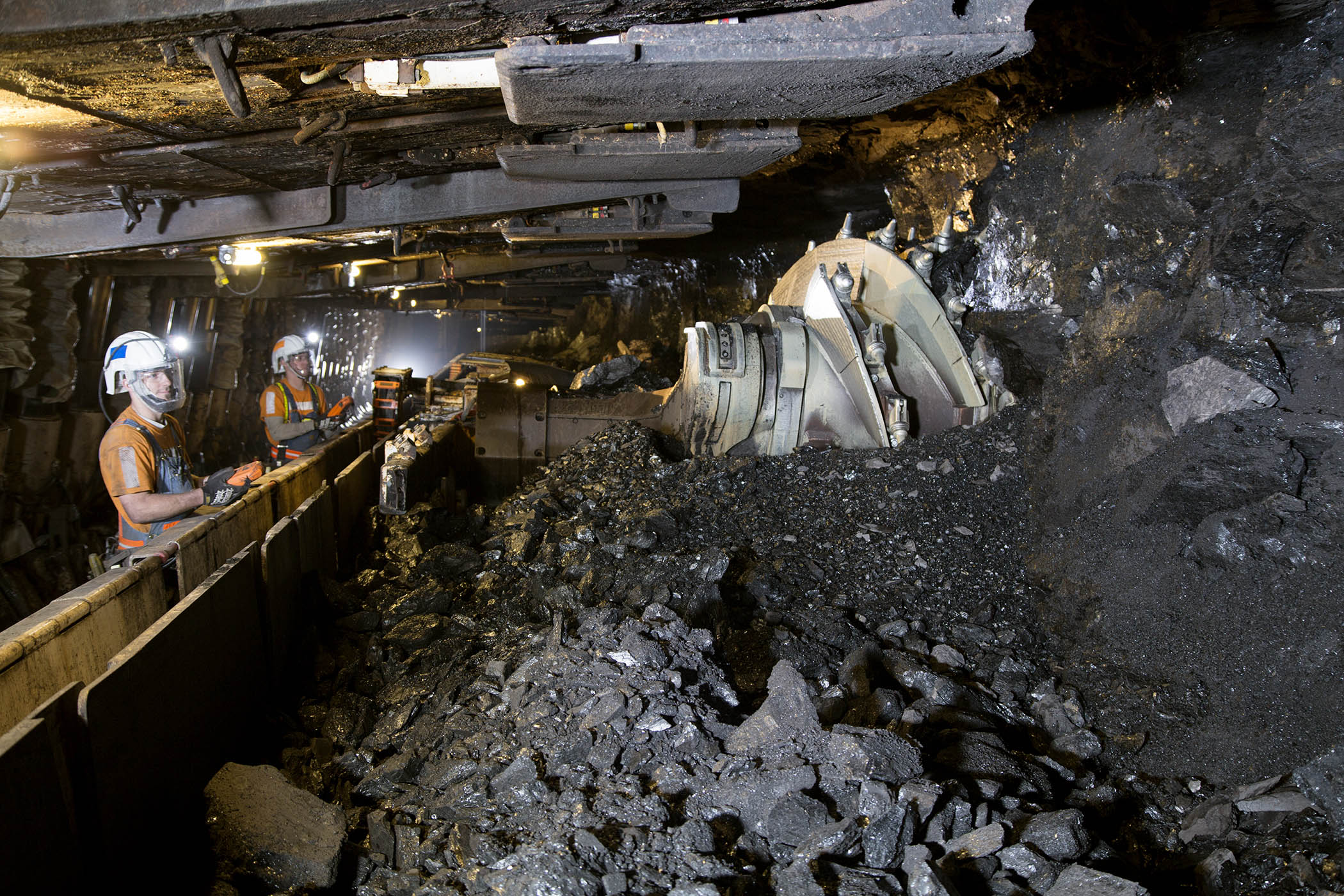
Is Coal Mining Still A Thing

Ever found yourself scrolling through old photos or watching a historical drama, seeing images of coal miners with sooty faces and picks, and thinking, "Wow, that's really old-school stuff"? It's easy to assume that coal mining is a relic of the past, like horse-drawn carriages or typewriters. But then a little spark of curiosity ignites: Is coal mining still a thing? This question is surprisingly fun to dig into because it connects history, economics, geography, and even our daily lives in ways you might not expect. It's a fantastic topic for everyday readers because it helps us understand a crucial part of our energy landscape, past and present, and why global discussions about energy and climate are so complex.
Exploring this topic offers benefits for all sorts of curious minds. For beginners, it's a straightforward way to get a quick, clear answer to a common misconception, offering a snapshot of how energy production has evolved. It demystifies where some of our electricity still comes from. For families, it's a wonderful conversation starter about history, geography, and science – "Where does our power come from, Mom?" can lead to fascinating discussions about geology, industrial revolutions, and even environmental impacts. You can visit a local museum or an old mining town to make it a tangible learning experience. And for the budding hobbyist, perhaps someone interested in energy trends or industrial history, this is a springboard to dive deeper into global coal reserves, the economics of different coal types (like thermal vs. metallurgical), or the latest advancements in mining technology. It offers a window into global trade and geopolitics that's more relevant than you might think!
So, to answer the burning question: yes, coal mining is absolutely still a thing! While many developed countries, especially in Europe and North America, have significantly reduced their reliance on coal for electricity generation, it remains a vital energy source in many parts of the world. Countries like China, India, Australia, Indonesia, and South Africa are major players in coal production and consumption. The coal itself isn't all the same, either. There's thermal coal, primarily used in power plants to generate electricity, and metallurgical coal (also known as coking coal), which is crucial for making steel – a foundation of modern infrastructure. Mining methods also vary, from massive surface mines (often called strip mines) that reshape landscapes, to intricate underground mines that delve deep below the Earth's surface. These variations highlight the sheer scale and diversity of the industry today, even as many nations shift towards renewable energy sources.
Must Read
Ready to dig a little deeper yourself? It’s super easy to get started! A simple search online for "top coal-producing countries" or "types of coal" will quickly open up a world of information. YouTube is fantastic for watching short documentaries about modern mining operations or historical footage. Consider checking out your local library for books on industrial history or energy production. If you live near an old mining region, many former mines have been converted into heritage sites or museums, offering guided tours that give you a real sense of the work and the community built around it. Keeping an eye on international news articles about energy policy or industrial development will also keep you updated on the continuing role of coal in the global economy.
Ultimately, understanding that coal mining is still a significant part of our world isn't about advocating for it, but about gaining a more complete picture of how our societies function. It offers a valuable lens through which to view history, current events, and the ongoing global transition towards a more sustainable future. Learning about it is a fun, accessible way to connect seemingly distant industries to the very power outlets in your home, giving you a richer appreciation for the complex tapestry of our modern world.