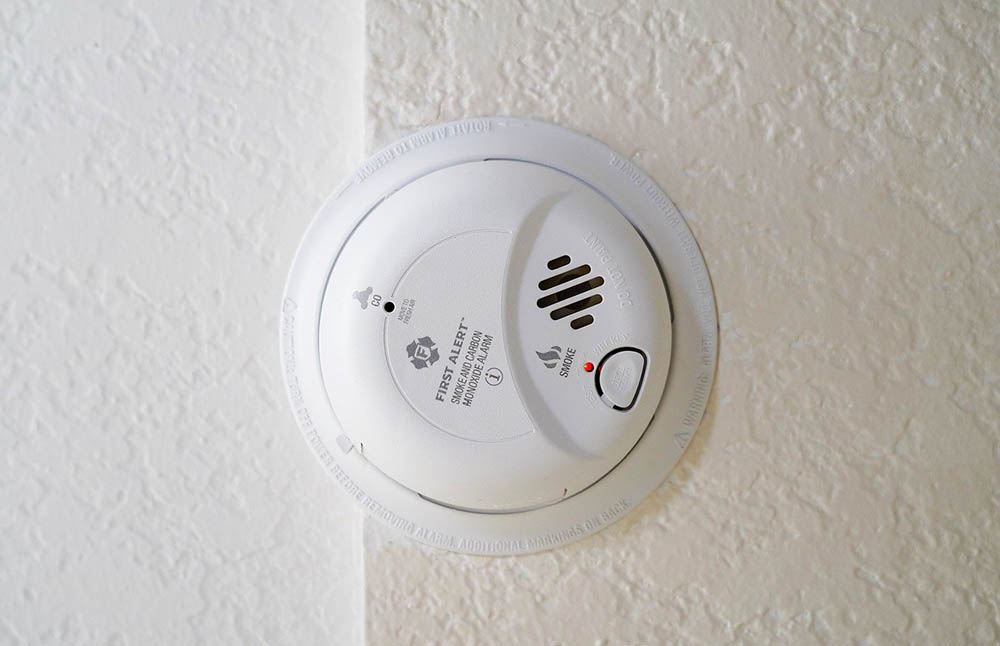
Is Carbon Monoxide Heavier Or Lighter Than Air

Ever wonder about the air around you? We can’t see it, touch it, or usually even smell it, but it’s a whole cocktail of gases. Among them is carbon monoxide (CO), often dubbed the 'silent killer.' It’s a serious topic, but let's clear up a common misconception about it in an easy-going way. Is CO heavier or lighter than air?
This question pops up a lot, often leading to debates about where to place those crucial CO detectors. The truth is, it’s a bit of a trick question, or rather, the answer is more nuanced than a simple 'up' or 'down.'
The Density Debate: Heavier, Lighter, or Just Right?
So, here's the skinny: Carbon monoxide is actually very, very slightly lighter than air. But hold on, before you start picturing it floating up to your ceiling like a party balloon, let's add some context. Air itself is a mix of gases – mostly nitrogen (N₂) and oxygen (O₂). Nitrogen has a molecular weight of about 28 g/mol, oxygen is around 32 g/mol. Carbon monoxide (CO) clocks in at about 28 g/mol. See how close those numbers are?
Must Read
Because their molecular weights are so similar, CO doesn't really 'layer' in a noticeable way. Think of it like adding a tiny drop of blue food coloring to a glass of water. It won't sit on the bottom or float on top; it'll mix and disperse throughout the water pretty quickly. That's exactly what carbon monoxide does in your home. It mixes readily and evenly with the air around it, thanks to the magic of diffusion and everyday air currents.
Myth vs. Reality: Where the Confusion Comes From
This is where the myths often get it wrong. You might have heard tales of people placing detectors low to catch "heavy" CO, or high to catch "light" CO. In reality, the difference in density is so negligible that air currents – from an open window, a fan, or even just someone walking by – will stir it all up long before any significant layering can occur. It’s not like helium in a party balloon or carbon dioxide in a dry ice fog machine, which have much more pronounced density differences.
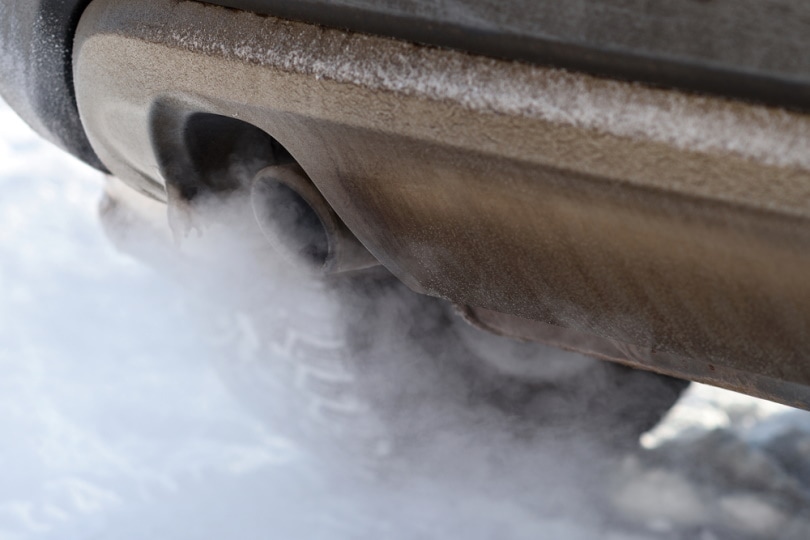
So, what does this mean for you and your home safety? It means you don’t need to get hung up on placing your CO detector at a specific height because of CO's density. The key takeaway here is that carbon monoxide will be present throughout the room’s air if there’s a leak. This simplifies things, right?
Practical Tips: Your CO Detector Strategy
Instead of obsessing over height, focus on strategic placement in critical areas. Think of your CO detectors like tiny, vigilant sentinels. The National Fire Protection Association (NFPA) recommends installing CO alarms on every level of your home, including the basement, and outside each sleeping area. It's also a smart move to place one near or in your garage if it's attached to your house, and definitely near any fuel-burning appliances like furnaces or water heaters.

Manufacturers often suggest placing them on a wall about 5 feet from the floor, or at roughly eye-level. This isn't because CO floats there; it's simply a practical height for visibility, maintenance (like changing batteries), and effective monitoring within the general breathing zone of occupants. Avoid putting them directly next to combustion appliances or too close to windows/vents where fresh air might dilute readings, or in direct sunlight which can affect their sensors.
Stay Informed, Stay Safe
Remember, carbon monoxide is colorless, odorless, and tasteless – truly a master of disguise. Symptoms of CO poisoning can mimic the flu (headache, nausea, dizziness, fatigue), making it even more insidious. The best defense is a good offense: working CO detectors and regular maintenance of fuel-burning appliances by qualified professionals.
In the grand scheme of things, knowing whether CO is slightly lighter or heavier than air might seem like a trivial scientific tidbit. But understanding why it mixes so readily empowers you to make smarter, more effective decisions about protecting your home and loved ones. It's about knowledge, not fear. So, breathe easy (with proper ventilation and working detectors, of course!), knowing you're one step more informed about the invisible world around you.