Is Biomass Energy A Renewable Or Nonrenewable Resource

Okay, let's talk biomass! Why's it fun? Well, it's about turning trash into treasure – or, at least, plant stuff into power. It's also super relevant because everyone's buzzing about renewable energy these days. But here's the head-scratcher: Is biomass really renewable? It seems straightforward, but things are rarely that simple when you start digging into energy sources.
So, what is biomass? Basically, it’s organic matter – stuff that comes from living or recently living organisms. Think wood, crops, manure, even that pile of leaves you raked up last fall. The whole idea behind using biomass for energy is to burn it (or convert it into other fuels) to generate heat, electricity, or even transportation fuels. That sounds pretty good, right? Less waste in landfills, more energy independence!
The purpose of using biomass energy is multifaceted. First and foremost, it's about finding alternatives to fossil fuels, like coal and oil. These fossil fuels contribute heavily to climate change. Biomass, theoretically, can be a more sustainable option. The benefits are numerous. Utilizing waste materials like agricultural residues and forestry scraps can reduce waste disposal problems. Generating energy locally from biomass can boost local economies and create jobs. Plus, some forms of biomass can be carbon neutral (we’ll get to that in a minute!).
Must Read
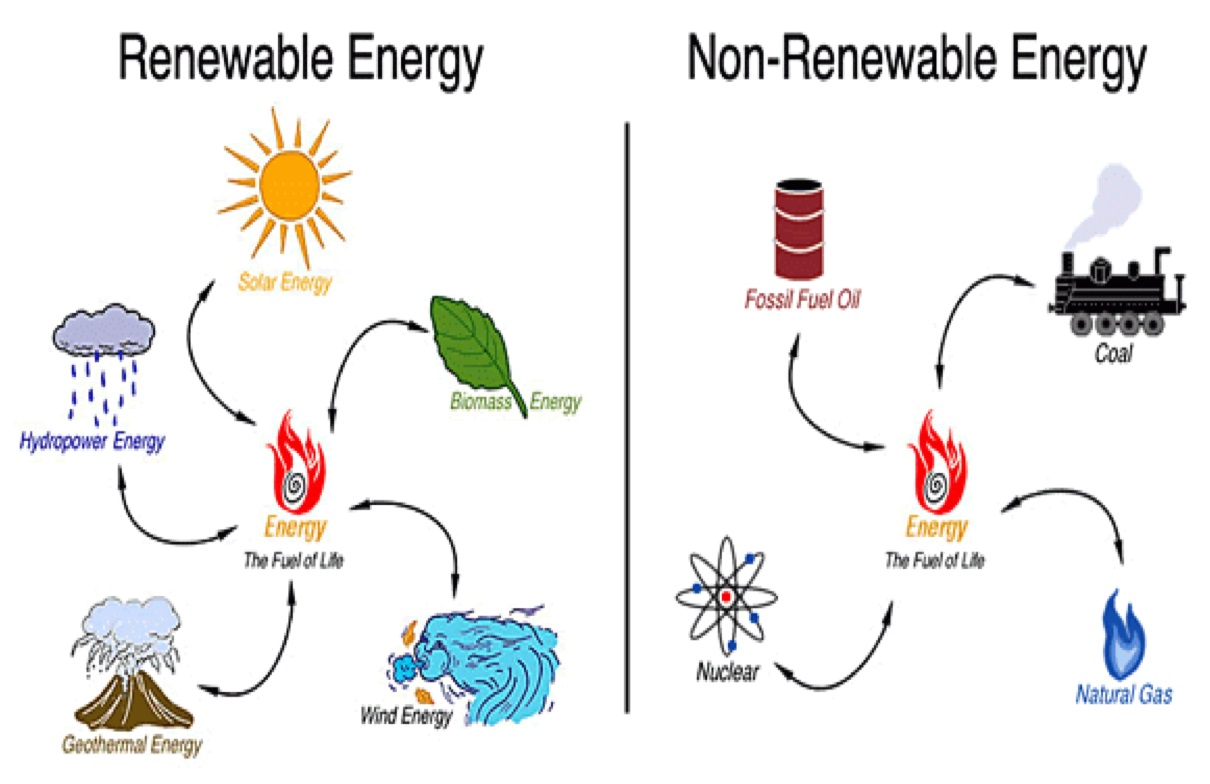
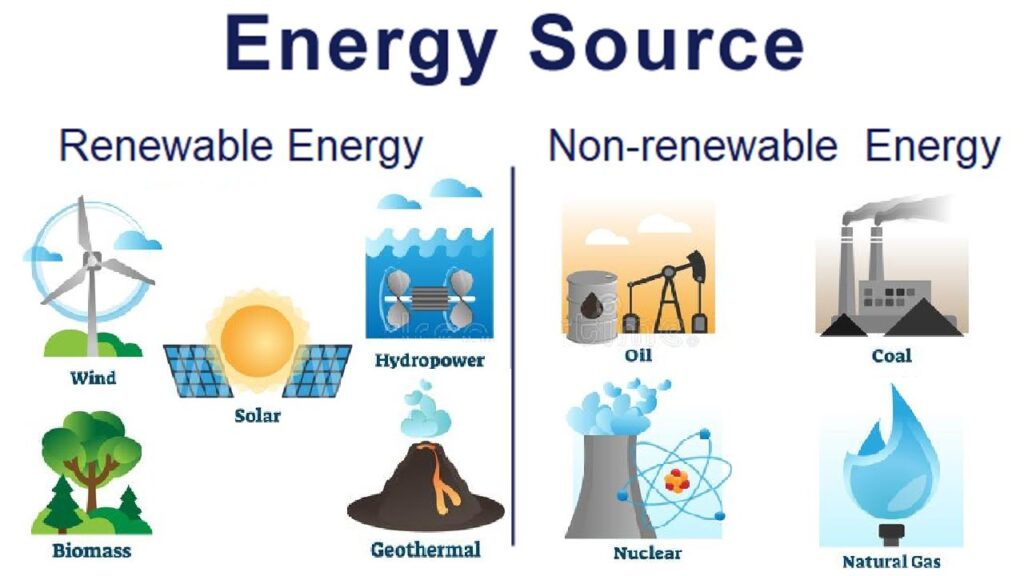
Now, for the big question: renewable or nonrenewable? Here’s where it gets interesting. Biomass can be renewable, but it's not automatically so. It hinges on how sustainably it's managed. If we’re talking about burning wood from a forest that's being replanted at the same rate it's being harvested, then yes, it’s considered renewable. The trees grow back, absorbing carbon dioxide from the atmosphere, which is then released when the wood is burned. Ideally, it's a closed loop.
However, if we're talking about clear-cutting ancient forests or using agricultural practices that deplete soil nutrients, then biomass becomes nonrenewable and even harmful. Unsustainable harvesting practices can lead to deforestation, soil erosion, and habitat loss. Furthermore, if the rate of consumption exceeds the rate of replenishment (i.e., we're burning more trees than we're planting), we're effectively depleting a finite resource.
Another important aspect to consider is the “carbon neutral” claim. While burning biomass releases carbon dioxide, it's considered carbon neutral if the replanted biomass absorbs an equivalent amount of carbon dioxide over its lifetime. But even under optimal conditions, the carbon released during combustion goes into the atmosphere immediately, while the carbon absorption by the growing biomass happens over many years. Some studies even suggest that the carbon footprint of biomass is greater than that of some fossil fuels due to the time it takes for the replanted biomass to mature.
So, the verdict? Biomass energy's renewability depends entirely on its management. When done right, with sustainable practices, it can be a valuable part of a diversified energy portfolio. When done wrong, it can be just as damaging as (or even more so than!) traditional fossil fuels. It’s all about mindful consumption and responsible resource management. Let’s strive to make sure our energy choices are truly green!