
Is Ac Or Heat More Expensive
Okay, spill the beans, we’ve all wondered, right? Is it the scorching summer sun trying to melt your face off, or the biting winter chill turning your toes into ice cubes, that’s secretly draining your bank account more? It’s the age-old energy bill mystery! Let’s be real, you’ve probably stared at your thermostat, done some quick mental math, and then just sighed and turned it up (or down) anyway. Happens to the best of us!
So, you want the straight dope? The definitive, no-holds-barred answer? Well, buckle up, buttercup, because it’s not quite as simple as saying, “AC always wins!” or “Heat takes the crown!” Nope, it’s a classic case of… it depends. (I know, I know, the most annoying answer ever, but stay with me!).
The Great Divide: Heat vs. AC – Where Does Your Money Go?
First off, let’s talk about the big energy gobblers. Generally speaking, both heating and cooling your home are super intensive processes. They’re basically battling Mother Nature, and she’s a formidable opponent! When it’s 95 degrees outside and you want it 72 inside, your AC is working overtime. Same goes for when it’s 20 degrees and you’re dreaming of a cozy 70. Both are big temperature swings that demand a lot from your system.
Must Read
When Heat Gets Nasty (and Pricey!)
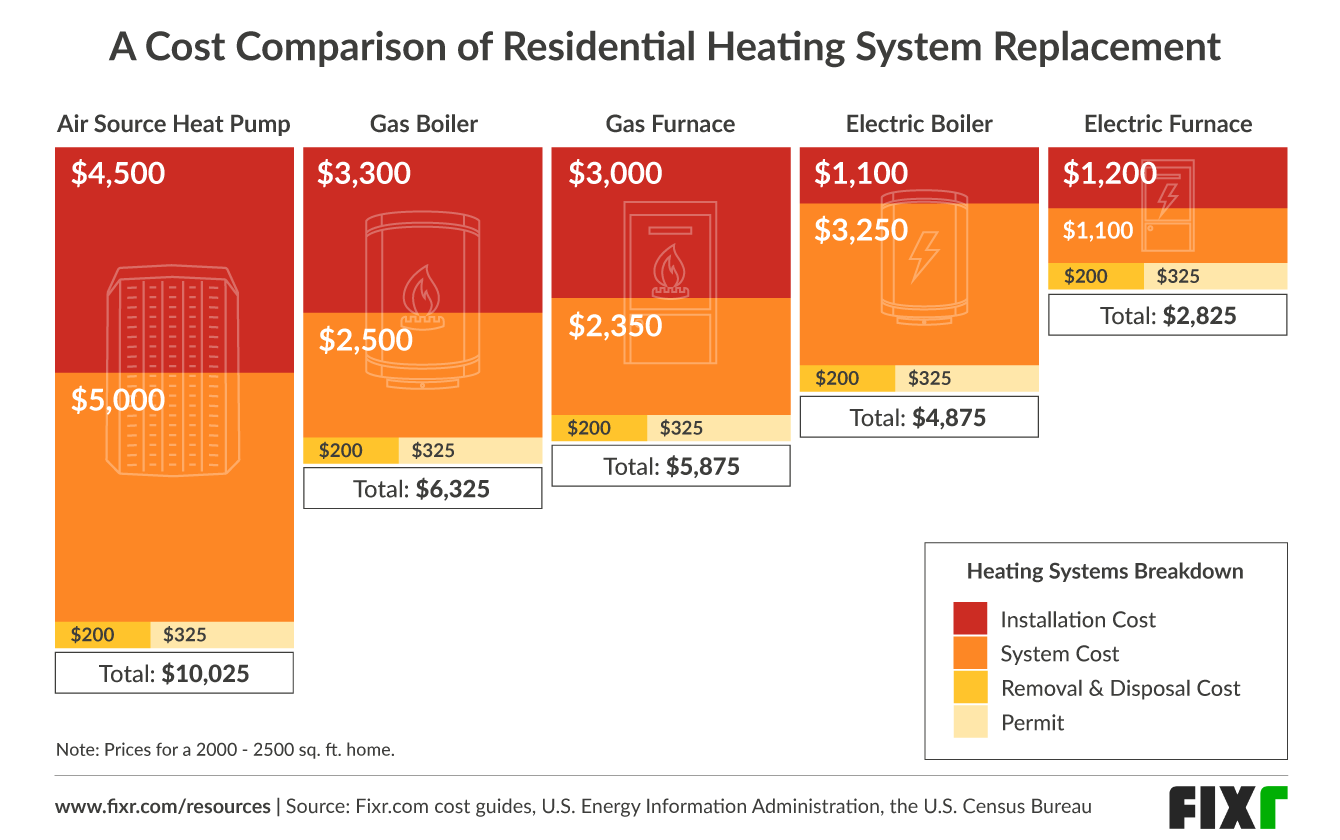
Think about heat for a second. If you have a furnace that runs on natural gas, you might actually be in luck. Natural gas, per unit of energy, has historically been cheaper than electricity in many places. So, your gas furnace might be chugging along, keeping you toasty without breaking the bank quite as much.
But here’s the kicker, the absolute villain of the energy world: electric resistance heat. We’re talking about those old baseboard heaters, or sometimes even electric furnaces. These things literally use electricity to generate heat, and they are shockingly inefficient. It’s like throwing money into a bonfire, but somehow less satisfying. If this is your primary heat source, oh boy, your winter bills are probably making you weep. Many experts agree that electric resistance heating is almost always the most expensive way to heat a home.
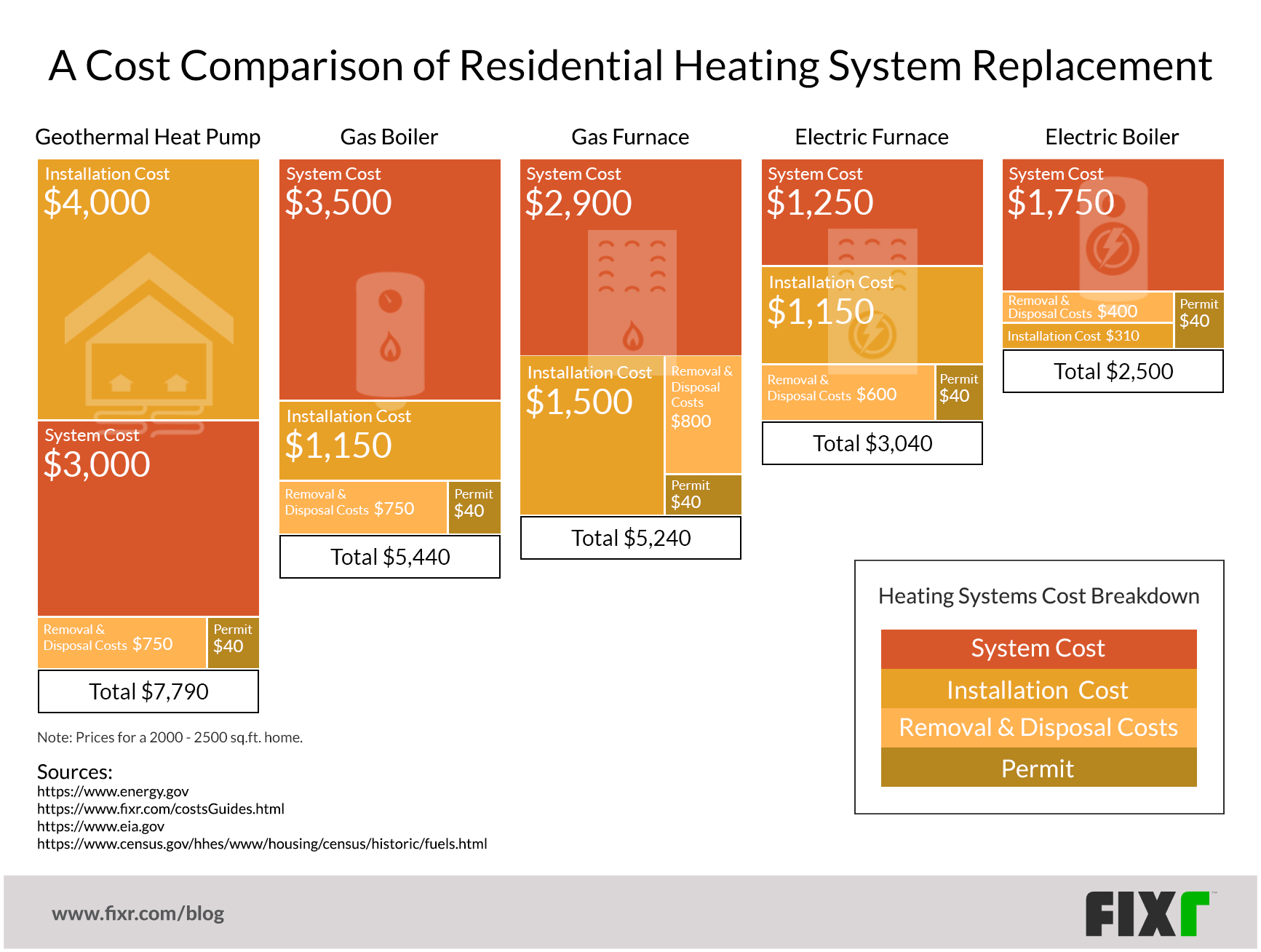
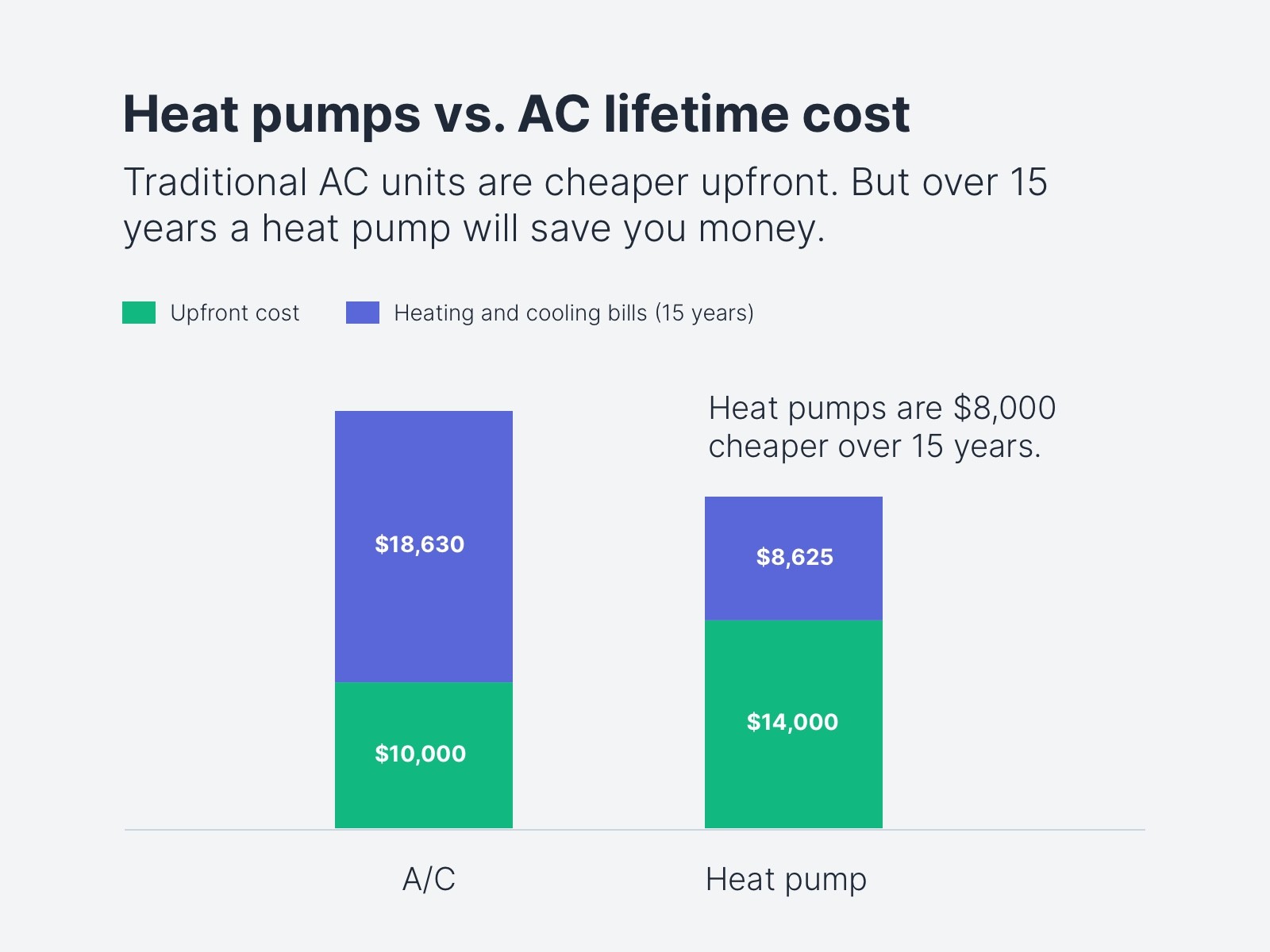
Then there are heat pumps. These smart cookies can both heat and cool. They move heat rather than generate it, making them super efficient. But even they use electricity, and when temperatures drop really low, their efficiency can dip, sometimes kicking on supplemental electric resistance heat, which, as we just discussed, is a budget buster.
AC: The Summer Sucker Punch
Now, let’s flip the switch to summer. Air conditioning is almost always powered by electricity. And let’s be honest, when it’s stifling hot, we tend to crank that AC down. We want it cold, don’t we? Like, walk-into-a-meat-locker cold. That immediate satisfaction comes at a price, my friend.
The difference between outside and inside temperatures in summer might not always feel as extreme as in winter. Going from 90°F outside to 75°F inside is a 15-degree difference. But going from 20°F outside to 70°F inside is a 50-degree difference! However, summer heat brings its own challenges. The sun relentlessly beats down, radiating heat into your home all day long. Your AC isn't just cooling the air; it's constantly battling that incoming heat gain. Plus, humidity! AC has to work extra hard to pull moisture out of the air, which takes even more juice.
The Big "It Depends" Factors
So, we’ve established that it's complicated. But what makes it really complicated?

- Your local climate: Live in Arizona? AC is probably your enemy. Live in Minnesota? Heat is your nemesis. Duh, right? But the extremity of your local weather plays a huge role.
- Energy prices: Gas vs. electric costs vary wildly by region, time of year, and even time of day! Check your local utility rates.
- Your home’s insulation (or lack thereof!): This is a massive one. If your home is leaky like a sieve, both your AC and heater are fighting a losing battle, and you’re just pouring money out of those cracks. Good insulation is your best friend.
- Your system’s efficiency: An ancient, clunky AC unit or furnace from the 80s? It’s probably sucking down energy like a vampire. Newer, high-SEER (Seasonal Energy Efficiency Ratio) ACs and high-AFUE (Annual Fuel Utilization Efficiency) furnaces are way more efficient.
- Your personal preferences: Are you a "sweat it out" kind of person in summer and a "bundle up" person in winter? Or do you demand a perfectly consistent 70°F year-round? Your comfort habits directly impact your wallet.
The (Non) Verdict
Alright, so if I had to give you a nudge, I'd say electric resistance heating often takes the crown for "most expensive." But that’s a generalization. For many homes, it honestly boils down to the intensity of the season. A brutally cold winter can make heating more expensive than a mild summer, and vice-versa.
The real takeaway here? It’s not about heat vs. AC; it’s about efficiency and usage. Want to save some cash? Make sure your home is well-sealed and insulated. Get your HVAC system serviced regularly. Use a smart thermostat. And maybe, just maybe, try to tolerate being a little bit warmer in summer and a little bit cooler in winter. Your bank account will thank you. Now, who wants another coffee?
