
Is A Tropical Cyclone The Same As A Hurricane
Ever wondered what's the deal with all these different names for big, swirling storms? Hurricane, typhoon, cyclone... are they all just fancy ways of saying the same thing? Let's dive in and unravel this weather mystery!
So, Are They the Same or Not?
Okay, here's the short answer: yes, and no. Confused? Don't worry, we'll break it down. Think of it like different names for the same pet. You might call your dog "Buddy," your mom calls him "Good Boy," and the vet calls him by his breed, "Golden Retriever." Same dog, different labels, right?
In the same way, "tropical cyclone" is the general term for a rotating, organized system of clouds and thunderstorms that originates over tropical or subtropical waters and has a closed low-level circulation. It’s the umbrella term.
Must Read
Now, where things get interesting is when we talk about where that storm is located. That's when we start using the specific names we're more familiar with: hurricane, typhoon, and cyclone.
Location, Location, Location!
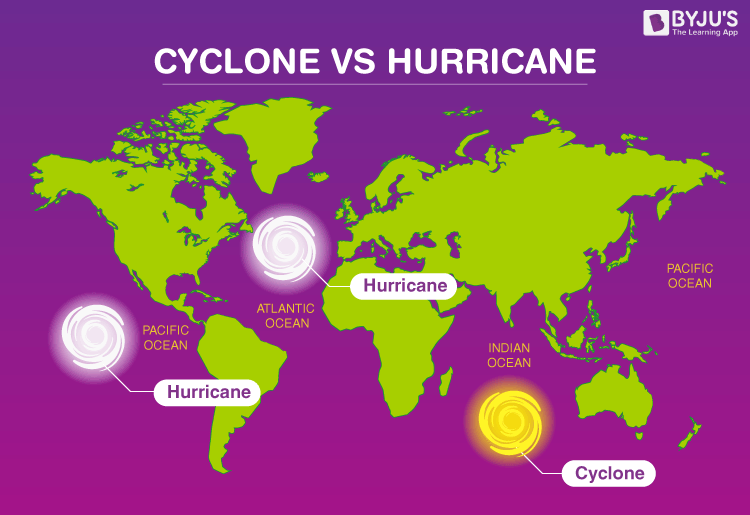
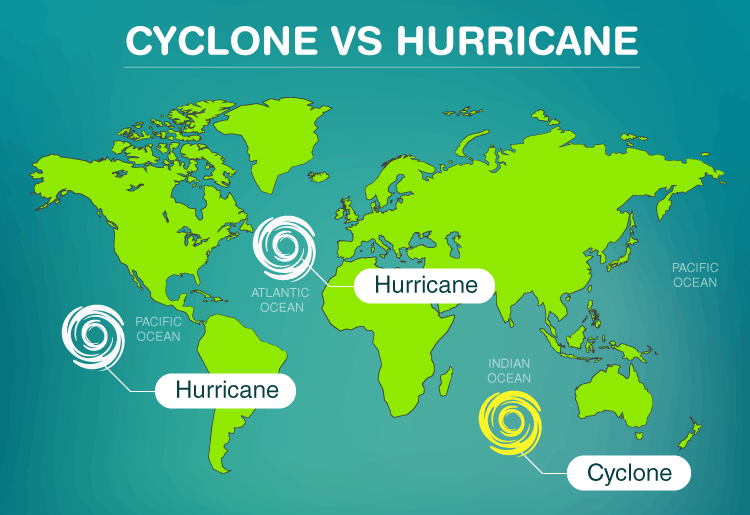
This is the key! The name changes depending on which ocean basin the storm forms in. It's like how you might call a type of sandwich a "hoagie" in Philadelphia but a "sub" in New York.

Here's the geographical breakdown:
- Hurricane: If the storm brews in the North Atlantic Ocean, the Central North Pacific Ocean, or the Eastern North Pacific Ocean, we call it a hurricane. Think Florida, the Caribbean, or parts of Mexico.
- Typhoon: Across the Pacific, in the Northwest Pacific Ocean, these storms are called typhoons. We're talking about places like Japan, the Philippines, and China.
- Cyclone: Down in the South Pacific Ocean and the Indian Ocean, they're cyclones. That means you'll hear this term used in Australia, India, and Madagascar.
Pretty simple, huh? It's all about real estate!
Why is it Cool to Know This?
Well, for starters, you can impress your friends at the next weather-related trivia night! But more seriously, understanding these distinctions helps us better understand how weather patterns work globally. It connects us to different parts of the world and reminds us that even though we have different names for things, we're all experiencing the same planetary forces.
It’s also fascinating to think about the power of these storms. Imagine a swirling vortex of energy spanning hundreds of miles, fueled by warm ocean water! It's a truly awe-inspiring (and, of course, potentially devastating) force of nature.
Wind Speed Matters Too!
Okay, so there's one more important piece of the puzzle: wind speed. A tropical disturbance becomes a tropical depression, then a tropical storm, and then finally reaches hurricane/typhoon/cyclone status. What's the magic number? Sustained winds of 74 miles per hour (119 kilometers per hour) or higher.
Think of it like leveling up in a video game. The storm has to reach a certain "strength" to earn its official title.

Beyond the Name: Shared Characteristics
Despite the different names, all tropical cyclones share some key characteristics. They are all:
- Rotating, low-pressure systems.
- Fueled by warm ocean waters.
- Capable of generating destructive winds, torrential rainfall, and dangerous storm surges.
So, whether it's a hurricane battering the Gulf Coast, a typhoon slamming into Japan, or a cyclone inundating coastal India, the fundamental physics are the same.
Why All the Different Names Anyway?
Great question! It's mostly historical. Different regions developed their own terminology over time. And hey, who are we to argue with tradition?

But it's also practical. It helps local weather forecasters and emergency management officials communicate more effectively with the public in their specific areas. Knowing that a "typhoon" is headed your way in the Philippines is much more impactful than just saying a "tropical cyclone" is approaching.
The Takeaway?
Tropical cyclone is the broad category. Hurricane, typhoon, and cyclone are all types of tropical cyclones, differentiated by their location on the globe. It's like different dialects of the same language, or different regional names for the same delicious sandwich. Pretty cool, right?
So, the next time you hear about a massive storm brewing, remember the power and the interconnectedness of our planet's weather systems. And you’ll know exactly what they are referring to based on the name they use!