Is A Phone Bill A Utility Bill

Ever found yourself staring at your monthly bills, scratching your head, and wondering, "Is this a utility bill?" You're definitely not alone! This seemingly simple question, especially when it comes to our beloved phone bills, actually sparks some pretty interesting discussions. It's a topic that touches on our everyday finances, our reliance on technology, and even how we define essential services in the modern age. It's a fun brain-teaser for anyone trying to get a better handle on their household budget, and understanding the nuances can actually save you money and headaches in the long run.
So, why is making this distinction useful? For different people, it means different things. For beginners just starting to manage their own money, understanding what truly counts as a utility (like electricity or water) versus a regular subscription helps build a strong foundation for budgeting. It allows you to prioritize essential services when money is tight. For families, clearly defining these expenses can be a game-changer for household budgeting. Is your teenager's unlimited data plan an absolute utility, or a discretionary expense? Knowing the difference helps you allocate funds more effectively, negotiate with providers, and ensure everyone has what they need without overspending. And even for the more financially-savvy, or those who enjoy digging deep into personal finance, it's a fascinating look at how our society's definition of "essential" has evolved. It’s all about being financially aware and making informed choices about where your hard-earned money goes.
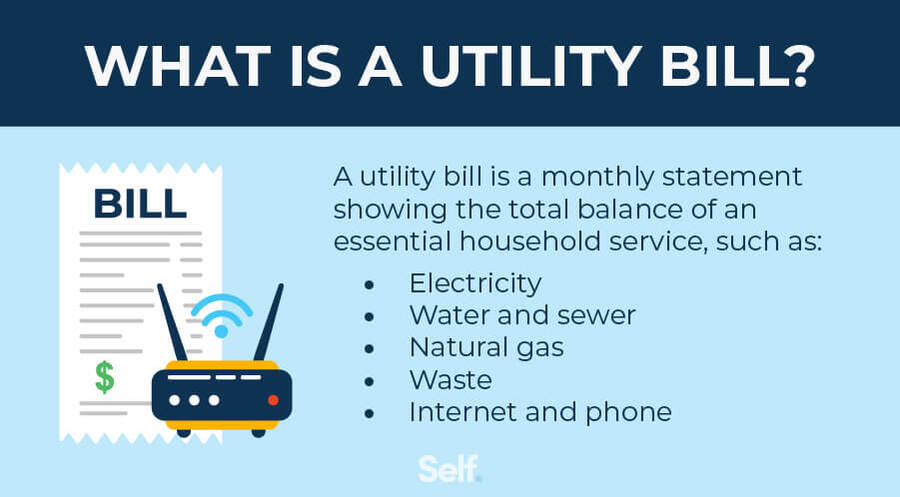
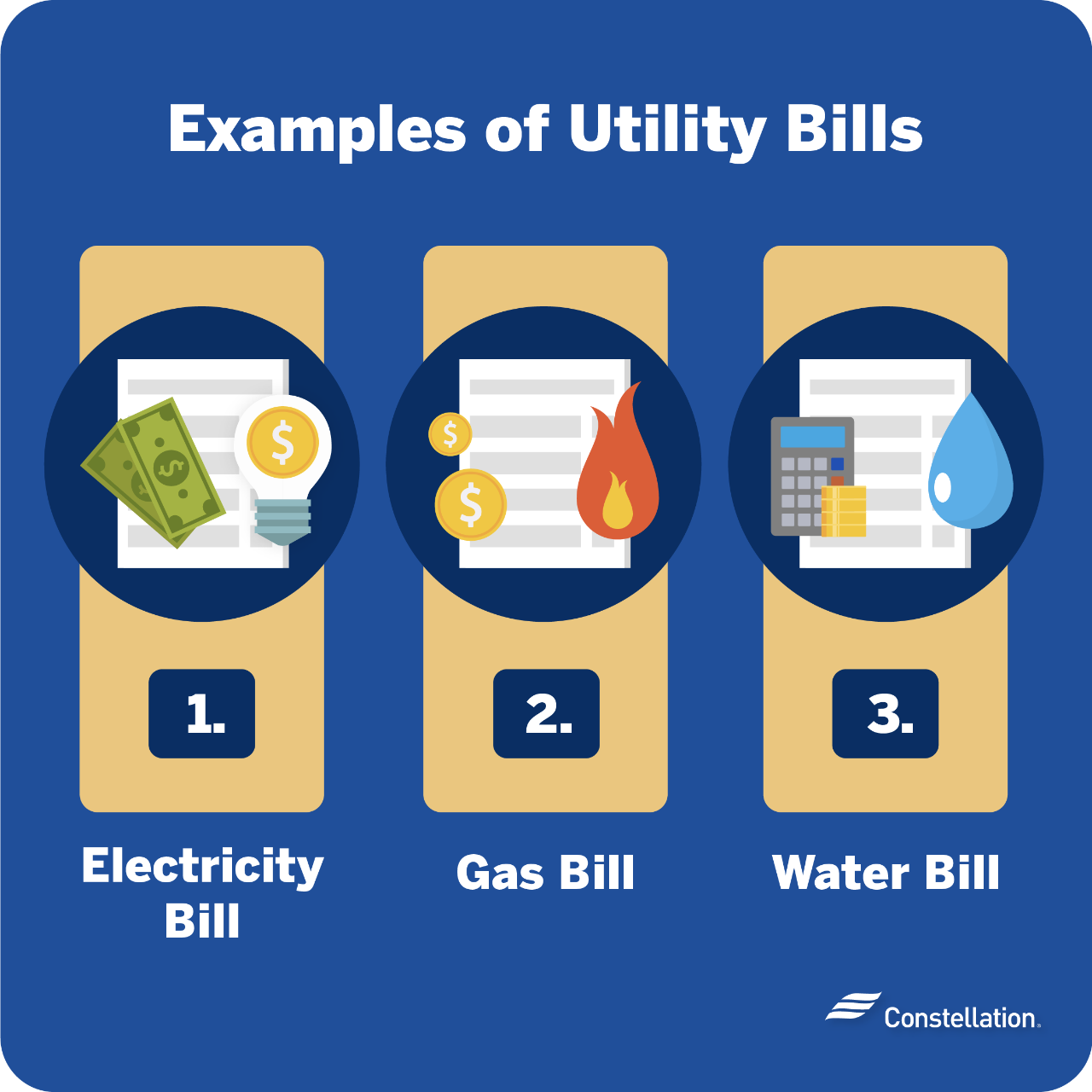
Now, let's dive into some examples and variations. Traditionally, utilities were defined as services like electricity, water, gas, and sometimes sewage or trash collection – services that are fundamental for a habitable home and are often provided by regulated monopolies. The internet bill often joins this group today, as broadband access has become nearly indispensable for work, education, and communication. But what about the phone bill? Here’s where it gets a bit murky. A traditional landline phone, especially in an era before widespread mobile use, was often considered a utility because it provided essential communication for emergencies and daily life. However, your modern mobile phone bill? Most experts and landlords generally don't categorize it as a traditional utility. Why? Because while undoubtedly essential for many, it's often seen as a personal service rather than one tied directly to the habitation of a property. You can move and take your mobile plan with you, unlike your water or electricity service. There are also variations: some people have a prepaid phone, others a family plan, or even a bundled package with internet and TV. Each of these can be treated differently in your personal budget, even if the underlying service is communication.
Must Read
Ready to get started on classifying your own bills? Here are some simple, practical tips. First, check your lease agreement if you rent; it will explicitly state which utilities are included or your responsibility. Second, for your own budgeting purposes, ask yourself: "Is this service absolutely necessary for my home to function or for essential safety/work communication?" If the answer is yes, treat it as a high-priority expense in your personal budget. Third, shop around for phone plans regularly. The mobile market is incredibly competitive, and you can often find better deals if you're willing to switch providers or adjust your data usage. Consider family plans or prepaid options if you’re looking to cut costs. Finally, remember that regardless of the technical definition, your phone bill is a significant monthly expense for most. Understanding its place in your financial picture, whether as a utility or a personal expense, is key to smart money management.
Ultimately, debating whether a phone bill is a utility isn't just about semantics; it's about gaining a clearer picture of your financial landscape. By thinking through these classifications, you become a more empowered and organized individual, ready to tackle your budget with confidence and make smarter choices that truly benefit your wallet and your peace of mind. It’s about being in control of your money, not the other way around, and that's a truly valuable feeling.