Is A Nickel Made Out Of Nickel

Ever picked up a coin and wondered what it's really made of? We handle currency every single day, but often take its intricate details for granted. One of the most common coins in North America, the humble five-cent piece, bears a name that sparks an intriguing question: is a nickel actually made of nickel? It's a fun little linguistic and scientific puzzle that often pops into people's minds, revealing a hidden world of metallurgy right in our pockets! Knowing these little tidbits makes our everyday interactions with money a bit more engaging and certainly more informed, adding a touch of discovery to the mundane.
So, let's get to the bottom of it! The short answer is: yes, but not entirely! The U.S. five-cent coin, affectionately known as a "nickel," is indeed made with the metal nickel, but it's not pure. In fact, it's an alloy – a mixture of metals – carefully designed for durability and specific properties. Since 1866, U.S. nickels have primarily consisted of 75% copper and 25% nickel. This specific blend is known as cupronickel, and it’s a brilliant example of how science makes our everyday items practical and long-lasting. It's truly a marvel of engineering in miniature!
Why this particular mix? Well, pure nickel is quite hard to work with and can be expensive. Copper, on the other hand, is softer and more plentiful. Combining them creates an alloy that's the best of both worlds: it's durable, resistant to corrosion, and has a distinctive silver-like sheen that helps it stand out from purely copper coins like pennies. This strength means your nickel can withstand countless trips through pockets, vending machines, and piggy banks without significant wear and tear. Imagine if our coins melted or corroded easily – currency exchange would be a nightmare! This robust composition ensures our coins have a long lifespan, making them a reliable medium of exchange for decades.
Must Read
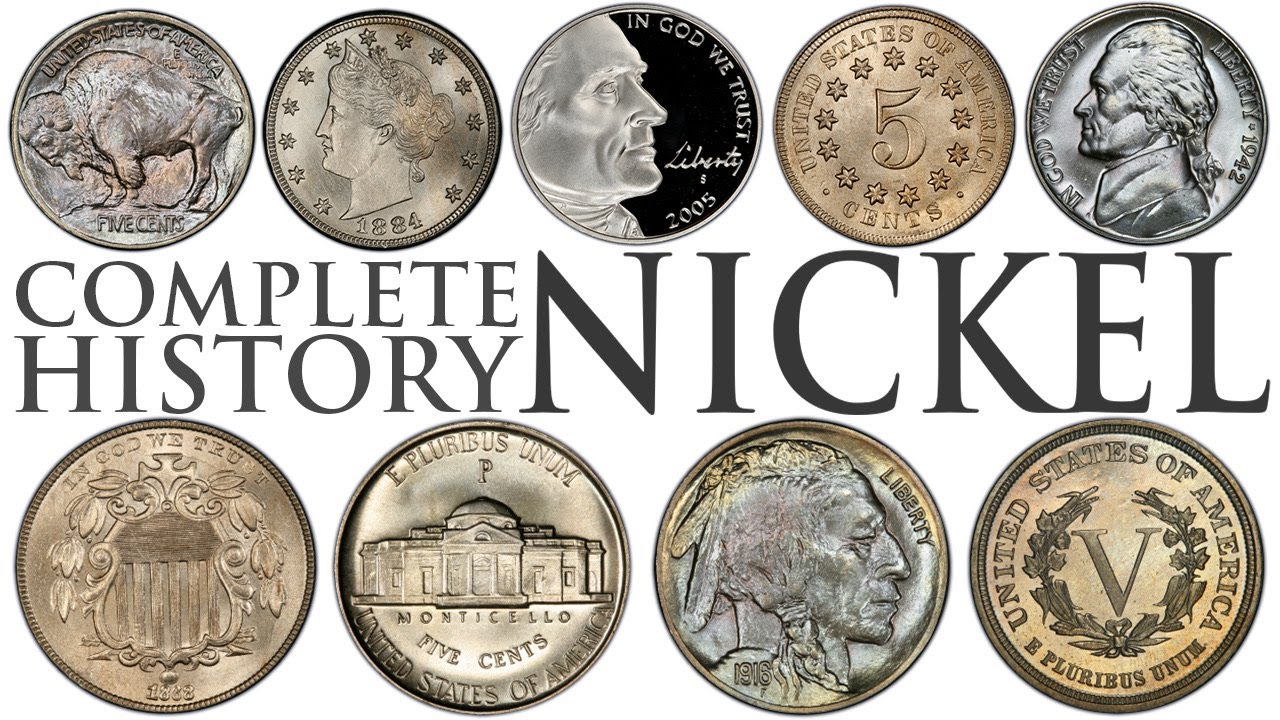
The introduction of the cupronickel five-cent coin in the U.S. after the Civil War was a practical solution to coin shortages and the need for a durable, small-denomination coin. Before then, the five-cent piece was often silver, which became impractical during wartime. The move to cupronickel was a significant step in coinage history, demonstrating a shift towards more industrial and less precious metals for everyday transactions. It also helped prevent counterfeiting, as the specific weight and metallic properties of the cupronickel alloy were harder to replicate than pure silver. Interestingly, this 75% copper and 25% nickel blend isn't unique to the U.S. five-cent piece; many countries use a similar cupronickel alloy for their silver-colored coins, like some Euro coins or Canadian nickels, because of its proven reliability and economic viability.
So, the next time you hold a nickel, you'll know it's a small marvel of metallurgy! It’s not 100% nickel, but the nickel content is significant enough to give the coin its name and some of its key characteristics, especially its resistance to corrosion and its attractive silvery appearance. This seemingly simple coin carries a fascinating story of practicality, history, and scientific ingenuity. It just goes to show that even the smallest, most common objects around us often have the most intriguing tales hidden beneath their surfaces. Keep an eye out for these little details; they make the world a much more interesting place!