
Is A Gas Leak Outside Dangerous

Picture this: You’re strolling down the sidewalk, minding your own business. The sun is shining, maybe a bird is chirping. Then, bam! Your nose catches a whiff.
It’s that distinct, unmistakable smell. Not quite rotten eggs, not exactly sulfur, but definitely something in that "oof, what's that?" family. You know the one.
It’s the smell of natural gas. And your brain, bless its overprotective heart, immediately shouts, "Danger, Will Robinson! Gas leak!"
Must Read
The Great Outdoor Gas Leak Panic
Now, hold your horses. Or, rather, hold your breath, but not for too long. Because while a gas leak inside your home is absolutely a red-alert, drop-everything, evacuate-now kind of situation, a gas leak outside?
Well, that’s a different beast entirely. It’s more of a gentle, wafty, "Ew, who forgot to take out the trash?" kind of situation, but with a more industrial twist.
Let’s face it, our primal instincts are a bit dramatic. We hear "gas leak" and imagine explosions and immediate peril. And for good reason, indoors!
Inside vs. Outside: A Tale of Two Leaks
Think about it this way: your kitchen is a contained space. If natural gas escapes there, it starts to build up. It displaces oxygen. It creates an invisible, highly flammable cloud, just waiting for a spark.
That’s why opening windows, getting out, and calling the gas company from a safe distance is critical. You don't mess with gas indoors.
But outside? Oh, sweet freedom! The gas escapes into the wide, wonderful, utterly enormous atmosphere. It’s like trying to fill an Olympic swimming pool with a single teacup.
The air, my friends, is a magnificent diluter. It takes that concentrated gas and spreads it thin, thin, thin. It’s like trying to hide a single drop of food coloring in the entire ocean. Good luck with that!

"The outside air is a magnificent diluter, turning a potential indoor peril into a mere outdoor nuisance."
So, while you might smell it, especially if you're close to the source, the actual concentration of natural gas floating around your head is likely miniscule. Not exactly "blow you up" levels. More like "mildly irritate your olfactory senses" levels.
Meet Mercaptan: The Unsung Hero (and Annoyance)
You know that smell we keep talking about? That rotten-eggish, sulfur-y aroma? That's not natural gas itself.
Nope, natural gas is actually odorless. It's a sneaky little invisible gas that could cause a lot of trouble if we couldn't detect it.
Enter Mercaptan! This unsung hero (or perhaps villain, depending on your nose) is added to natural gas specifically so we can smell it. It's like the gas company's way of saying, "Here's a heads-up, buddy!"
And boy, is it effective! Mercaptan is detectable at incredibly low concentrations. We're talking parts per billion. Your nose is incredibly sensitive to this stuff.
So, if you smell gas outside, it doesn't mean there's a huge, dangerous plume. It just means there's enough Mercaptan in the air to tickle your super-sensitive smell receptors.
It's designed to be noticed, even when the actual threat level is very, very low. It's like a tiny dog with a huge bark. Lots of noise, not much bite.
:max_bytes(150000):strip_icc()/how-to-spot-signs-of-a-gas-leak-2718710_final-5bb51e9cc9e77c00513a80e5.png)
"Your nose is a superhero when it comes to detecting Mercaptan, even at 'not-so-dangerous' levels."
Other Outdoor Annoyances: A Comparison
Think about other smells you encounter outside. A skunk, for example. Potent, right? Makes you wrinkle your nose and possibly even gag a little.
Is a skunk smell dangerous? Not unless you get sprayed directly in the face, which is a whole different (and very stinky) problem. But just smelling it wafting by? Annoying, yes. Life-threatening, no.
Or how about your neighbor's questionable BBQ choices? That thick cloud of smoke from overcooked sausages? Again, not exactly pleasant, might make your eyes water.
But you don’t typically call 911 because someone’s grilling is a bit... pungent. You might just close your window, grumble, and consider buying an air freshener.
An outdoor gas smell, in many ways, falls into this category of "annoying but not immediately perilous." It's a smell, not a bomb.
But What About Explosions?
Ah, the dreaded explosion! It’s the headline that always grabs attention. And yes, natural gas is flammable. That much is true.
But for it to ignite, it needs to be within a very specific concentration range in the air – too little, and it won't light; too much, and it won't light either (because there's not enough oxygen).

Outdoors, with all that lovely, open air, achieving that perfect "sweet spot" for ignition is incredibly difficult. The gas disperses so quickly that it rarely reaches the necessary concentration.
Plus, where's the ignition source coming from? A random spark in the middle of nowhere? While not impossible, it's highly improbable for a small, dispersed outdoor leak.
Think of it as trying to light a single match in a hurricane. The chances are just not in your favor. The elements are working against it.
"An outdoor gas leak ignition is akin to lighting a match in a hurricane – incredibly difficult due to rapid dispersion."
So, Should I Still Call Someone?
Absolutely! Even if it’s not an immediate threat to your personal safety, an outdoor gas leak is still a leak. And leaks mean wasted resources.
Gas companies want to know about these things. It could be an old pipe, a faulty connection, or even just a minor crack. It's their property, their responsibility, and their gas that's escaping.
Calling them isn't about saving your life from imminent peril (when outside), but it's about being a good citizen. It's like reporting a leaky water main – not dangerous, but definitely needs fixing.
They'll send someone out to investigate, pinpoint the source, and patch it up. It keeps their system efficient and prevents the smell from bothering everyone else.
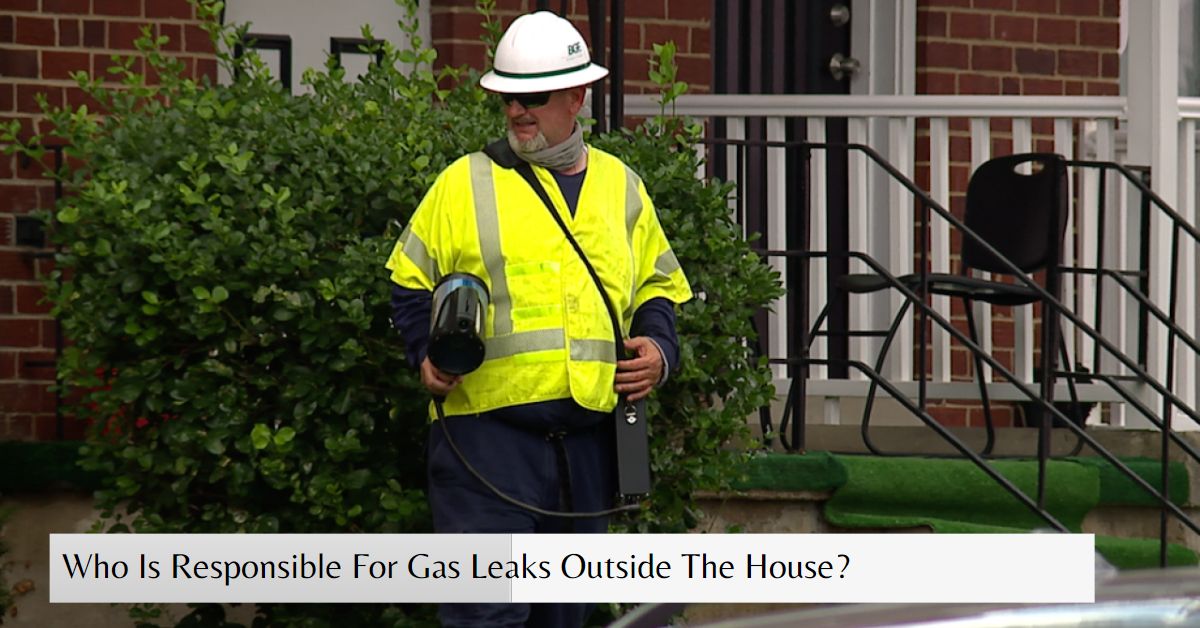
Plus, who wants to live in a neighborhood that perpetually smells like a science experiment gone wrong? Nobody, that's who! So, make the call. It's more about civic duty than panic.
Common Sources of Outdoor Leaks
Outdoor gas leaks often come from mundane sources. Maybe a construction crew accidentally nicked a line. Or perhaps an old gas meter has a tiny, slow weep.
Sometimes it's even your own property – a leaky BBQ propane tank (which has its own distinct smell, often even more potent than natural gas due to heavier additives), or a connection to an outdoor gas fireplace.
These are usually minor issues that just need a bit of professional attention. They aren’t lurking monsters waiting to pounce.
The Bottom Line (Outdoor Edition)
So, the next time you're outside, minding your own business, and your nose detects that tell-tale odor, take a deep breath (maybe not too deep right at the source, but you get the idea).
Don't let your brain jump to worst-case scenarios. Remember the mighty diluting power of the great outdoors.
A gas leak outside is typically more of a smelly nuisance than a genuine immediate danger to you or your fellow sidewalk-strollers. It’s an "Ew, someone needs to call the gas company," not a "Run for your lives!" moment.
Go ahead, make the call. Then continue your stroll, enjoying the fresh (mostly) air, and perhaps chuckling at the drama of our own overactive imaginations when confronted with a bit of smelly Mercaptan.