
Is A Gas Leak Carbon Monoxide
Hey there, curious mind! Ever been casually chatting with a friend, maybe about home safety or that funky smell you once thought you detected, and the phrase "gas leak" came up? Chances are, the words "carbon monoxide" weren't far behind. And that’s totally okay! It’s a super common mix-up, one that makes perfect sense because both are serious, unseen threats in our homes. But here’s the fun part: understanding the difference isn't just about safety (though that's super important!), it’s about becoming a bit of a household wizard, a guru of your own domain!
Natural Gas Leak vs. Carbon Monoxide: The Big Reveal!
So, let's get straight to it. Is a gas leak carbon monoxide?
When we talk about a gas leak in the context of your home's pipes and appliances, we're almost always referring to natural gas. This is the stuff that powers your stove, your furnace, maybe your water heater. It's primarily methane. And here's a little secret: methane itself is actually odorless! Gas companies add a chemical called mercaptan to it, which gives it that distinctive, often described, rotten egg smell. Why? So you can actually smell it and know to call for help! Pretty clever, right?
Must Read
What happens if you have a natural gas leak? The primary dangers are fire and explosion. Methane is highly flammable. It also displaces oxygen, which in very high concentrations, can lead to suffocation. But it's not directly toxic like its notorious cousin.
Enter the Silent Killer: Carbon Monoxide (CO)
Now, let's talk about the other guy: carbon monoxide (CO). This is the truly sneaky one. Unlike natural gas, carbon monoxide is always odorless, colorless, and tasteless. That’s why it’s earned the terrifying nickname, the "silent killer."
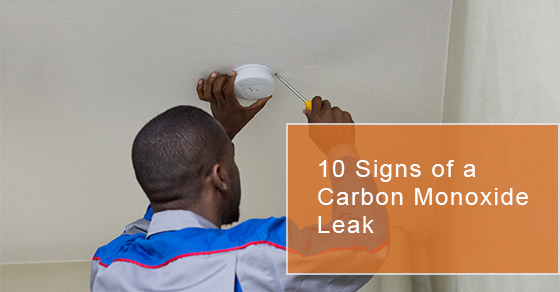
So, where does CO come from? It's a byproduct of incomplete combustion. Think about it: when fuels like wood, gasoline, propane, natural gas, or charcoal burn without enough oxygen, CO is produced instead of the less harmful carbon dioxide. This can happen with a faulty furnace, a blocked chimney, a car running in an enclosed garage, a gas grill used indoors, or even a portable generator too close to the house.
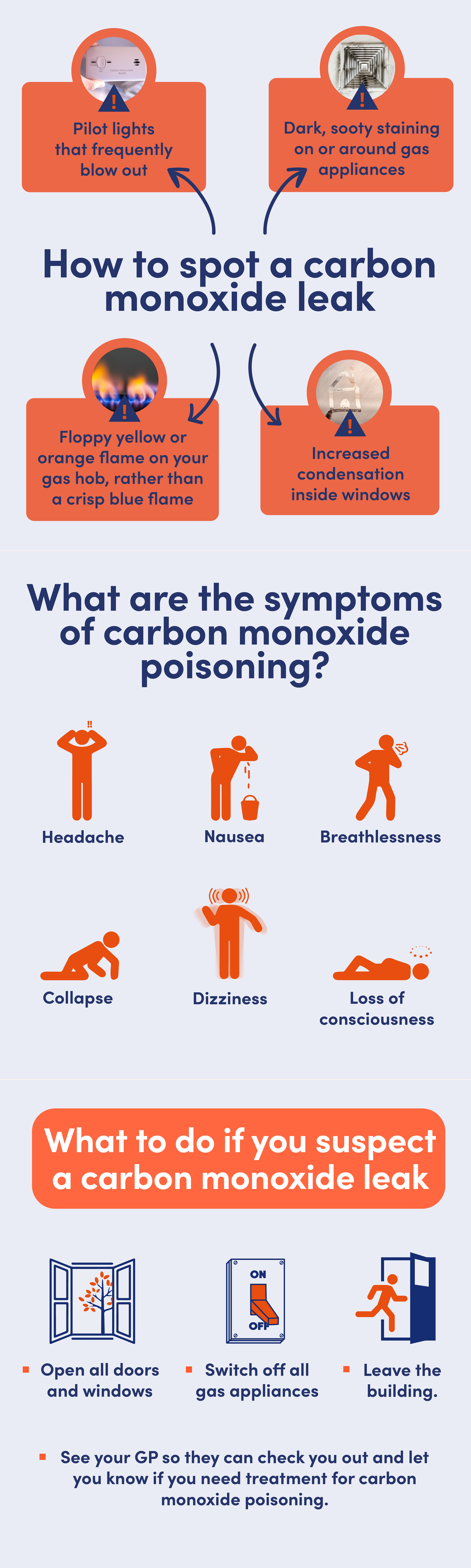
Why is CO so dangerous? When you inhale carbon monoxide, it gets into your bloodstream and attaches to the hemoglobin in your red blood cells. It does this far more readily than oxygen does. This essentially "starves" your vital organs, including your brain and heart, of the oxygen they desperately need. Symptoms can range from headaches and dizziness to nausea, confusion, and eventually, unconsciousness and death.
Why the Mix-Up? And Why It's Fun to Be in the Know!
It’s easy to see why these two get conflated. Both involve gas, both can come from appliances that use gas, and both can be incredibly dangerous in your home. The key difference? Natural gas leaks are a problem with the fuel delivery system. Carbon monoxide is a problem with the combustion process itself.
Here’s why knowing this is genuinely fun and empowering:
- You become a home safety ninja! You can confidently explain the difference to friends and family, making everyone a little safer.
- You know what detectors to get! You wouldn't buy a fire extinguisher for a flood, right? Knowing the difference means you'll invest in the right detectors: a natural gas detector (often installed by your gas company or available commercially) and, crucially, carbon monoxide detectors on every level of your home, especially near sleeping areas. These are your unseen guardians!
- You can react appropriately!
Smell rotten eggs (natural gas leak)? Get everyone out immediately, leave the door open, and call your gas company or 911 from a safe distance! Do NOT turn lights on or off, use your phone inside, or do anything that could create a spark.

Gas Leaks Carbon Monoxide (CO) Poisoning: Home Safety Tips CO detector alarm going off (or suspect CO poisoning)? Get everyone (and pets!) outside into fresh air immediately, then call 911. Seek medical attention if anyone is experiencing symptoms.

Be Curious, Be Smart, Be Inspired!
See? It’s not just dry, technical stuff. It’s about being a savvy homeowner, a responsible resident, and frankly, just plain smarter about the world around you! Understanding these distinctions gives you a superpower – the power to protect yourself and your loved ones.
So, the next time someone casually asks, "Is a gas leak carbon monoxide?", you can flash a knowing smile and confidently say, "Actually, they're different, and here's why that matters!" Then, you can launch into your new expertise, inspiring others to learn too.
Life is full of fascinating facts, especially the ones that keep us safe and sound. Embrace that curiosity! Keep asking questions, keep learning, and keep growing. Your brain will thank you, and your peace of mind? Absolutely priceless. Go forth and be an informed, empowered, and totally awesome human being!