
Is A Furnace Gas Or Electric
Ever been snuggled on the couch, sipping a warm drink, when you hear a low rumble from somewhere in your house? Maybe it’s a gentle hum, or perhaps a whoosh that kicks on, sending lovely, toasty air through your vents. You probably just nod, pull your blanket a little tighter, and think, "Ah, warmth." But have you ever stopped to wonder, "Hey, what exactly is that thing making all this magic happen? Is my furnace whispering sweet nothings in gas, or is it humming along on electric dreams?"
It's a question many of us don't really ponder until, well, we have to. Maybe your energy bill arrives looking a bit like a scary monster, or you're thinking about upgrading, and suddenly, this seemingly mundane piece of machinery becomes the star of your home comfort show. So, let’s peel back the curtain, shall we? No complicated diagrams, just some good old-fashioned, friendly chat about your home's unsung hero of warmth.
The Two Big Players: Gas vs. Electric Furnaces
Think of your furnace like a chef preparing a delicious meal. There are two main ways it can cook up that wonderful heat:
Must Read
The Toasty Roaster: Gas Furnaces
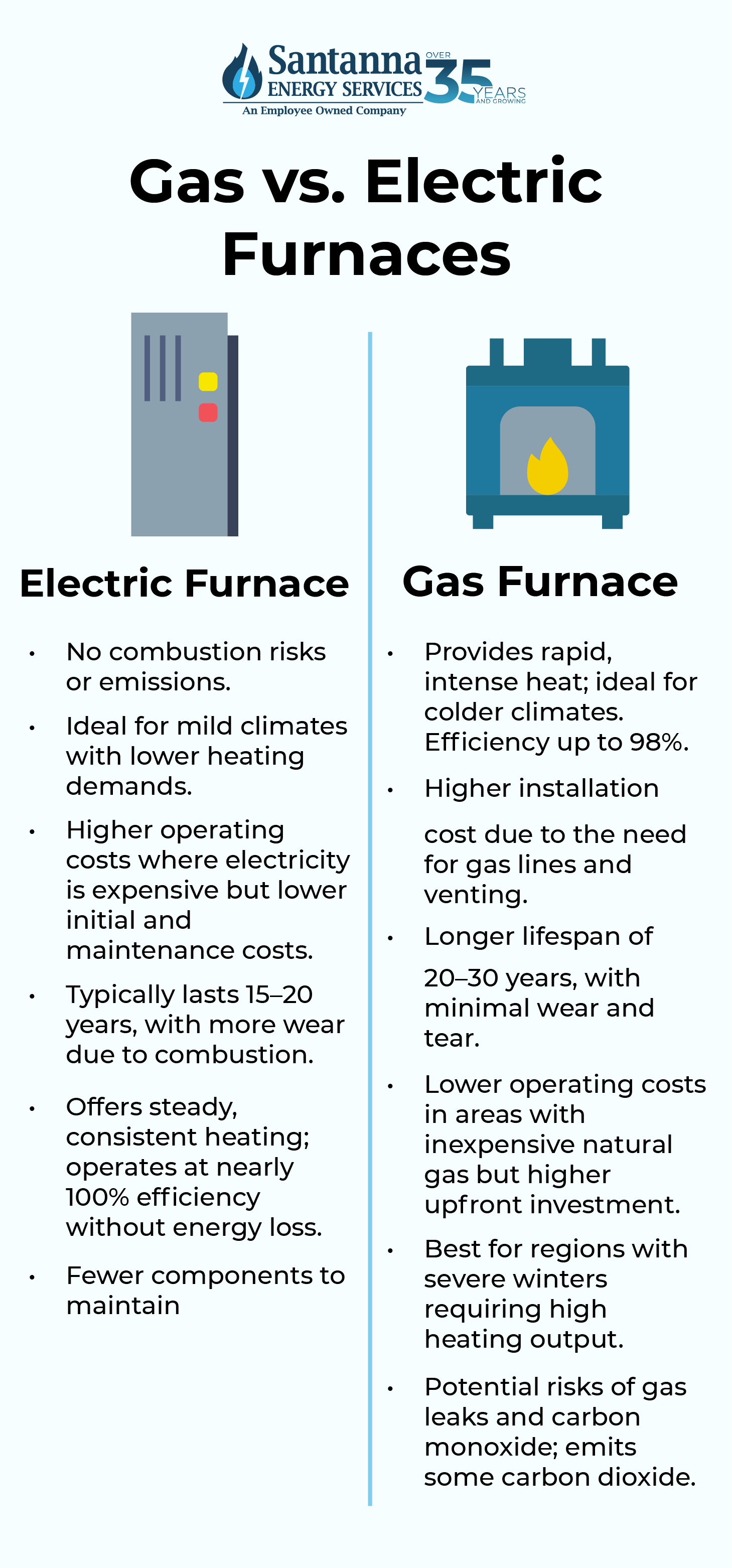
Imagine a little campfire happening safely inside a metal box in your basement or utility closet. That's essentially a gas furnace. It uses natural gas (or sometimes propane, if you're not hooked up to a main gas line) as its fuel. When your thermostat calls for heat, a burner ignites, heating up a component called a heat exchanger. Then, a fan blows air across this hot exchanger, and whoosh, warm air is distributed throughout your home.
Why people love them: Gas furnaces are often the speed demons of heating. They tend to warm up a house pretty quickly, kind of like how a race car goes from zero to sixty in a flash. For many, natural gas is also a more economical fuel source than electricity, especially in certain regions. So, your wallet might just do a happy dance.

A little heads-up: Because they burn fuel, gas furnaces need to vent exhaust fumes safely outside your home. This means you'll usually see a vent pipe. And, like anything that burns fuel, they require proper maintenance to ensure safety, especially to prevent carbon monoxide buildup (but don't worry, modern furnaces and CO detectors are brilliant at keeping us safe!).
The Steady Glow: Electric Furnaces
Now, picture a giant hairdryer for your whole house. That's a pretty good analogy for an electric furnace. Instead of burning fuel, it uses electricity to power heating coils, much like the ones in your toaster or that portable space heater you pull out for chilly mornings. When the coils heat up, a fan blows air over them, and again, lovely warm air circulates through your ducts.
Why people love them: Electric furnaces are often simpler to install and don't require venting, which can be a big plus for homes without access to a natural gas line. They're also generally considered safer because there's no combustion, meaning no carbon monoxide risk. Plus, they tend to be quieter, like a gentle hum rather than a powerful whoosh. Think of them as the reliable, steady tortoise of heat – always getting the job done, just perhaps not in a lightning-fast sprint.

A little heads-up: The main consideration here is often the cost of electricity. In many areas, electricity can be a more expensive fuel source than natural gas, which might make your energy bills a bit heftier, especially during those long, cold winters. They also sometimes take a little longer to heat up your home compared to their gas counterparts.
Why Should I Care? (Besides Keeping Warm, Of Course!)
Okay, so now you know the basic difference. But why should this information stick around in your brain alongside memories of your favorite coffee order or that hilarious cat video you saw last week?
Your Wallet Does the Cha-Cha
This is probably the biggest reason. The type of furnace you have directly impacts your monthly energy bill. If natural gas is cheap in your area, having a gas furnace could mean significant savings. If electricity is abundant and affordable (maybe from renewable sources!), then an electric furnace might be a budget-friendly superstar. Knowing which type you have helps you understand those numbers on your bill and even plan for energy efficiency upgrades. Think of it like knowing whether you're buying premium coffee or the house blend – both get the job done, but one costs a little more! Ching-ching!
Making Friends with Mother Nature
For those of us trying to be a little kinder to our planet, the type of furnace matters. Natural gas is a fossil fuel, contributing to carbon emissions. Electricity, however, can come from a variety of sources – coal, yes, but also increasingly from wind, solar, and hydro power. So, an electric furnace, especially in areas with a "clean" grid, might just be your home's way of giving a little eco-friendly hug to the Earth.
Comfort and Convenience on Your Terms
Are you someone who likes your home to feel instantly toasty, like stepping into a warm bath? Or are you content with a steady, gradual warmth? Gas furnaces often offer that quick blast of heat, while electric can be a bit more of a slow and steady climb. Knowing your furnace type helps you manage your expectations and even decide if it’s the right fit for your lifestyle. Imagine trying to make toast with a slow cooker – it'll eventually get there, but maybe not in time for breakfast!

Peace of Mind (Priceless!)
Understanding your furnace also helps you know what kind of maintenance it needs and what to look out for. Gas furnaces need regular checks for gas leaks and carbon monoxide, while electric ones might need electrical system inspections. Being informed means you can chat intelligently with a technician and ensure your family's safety and comfort. It's like knowing if your car runs on petrol or diesel – you wouldn't want to put the wrong stuff in!
So, What's Yours?
Curious now? Here's how you can usually tell:
- Look for a gas line: If you have a gas furnace, you'll likely see a small, typically yellow or black gas pipe leading into the unit.
- Check the nameplate: Most furnaces have a manufacturer's label or nameplate on the side or inside the access panel. It will usually specify "Natural Gas," "LP Gas" (for propane), or "Electric Furnace."
- Listen: Gas furnaces often have a distinct ignition sound and a hotter-smelling air (though very subtle). Electric furnaces tend to be quieter and the air less "sharp."
- Ask a pro: If all else fails, your HVAC technician can tell you in about two seconds flat!
There you have it! A peek behind the comfort curtain. Whether your furnace is breathing gas or humming electricity, the important thing is that it's keeping your home warm and cozy. Knowing a little bit about how it works can make you a more informed homeowner, a savvier budgeter, and maybe even a tiny bit more eco-conscious. So, next time you hear that rumble or hum, you can give a knowing nod and appreciate the hard work of your home's invisible warm-hug dispenser. Stay cozy, friends!