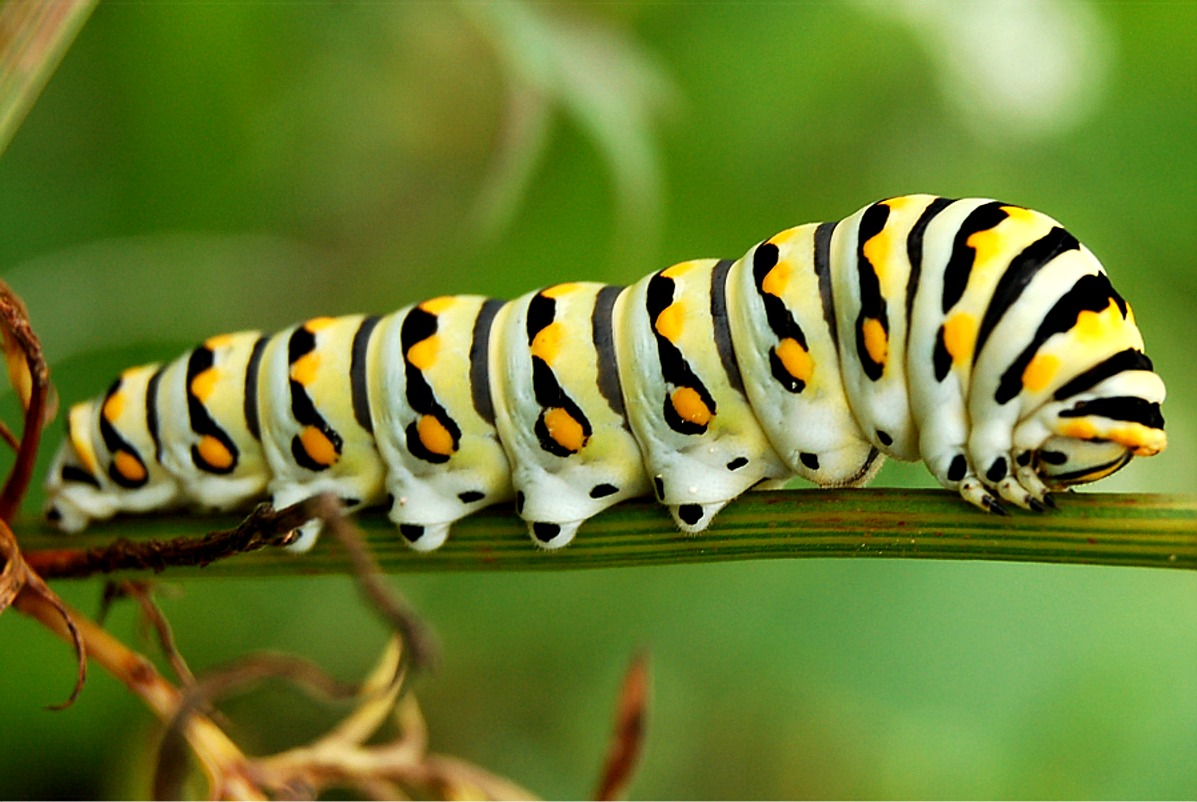
Is A Caterpillar A Primary Consumer
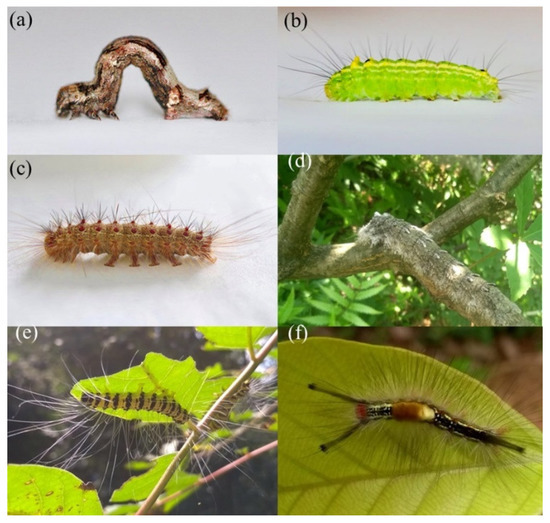
Okay, settle in, nature enthusiasts! Let's talk caterpillars. These little munching machines are often the unsung heroes (or villains, depending on your garden's perspective) of our ecosystem. But where do they fit into the grand scheme of things? Specifically, are they considered primary consumers? The answer, my friends, is a resounding yes!
Decoding the Consumer Levels
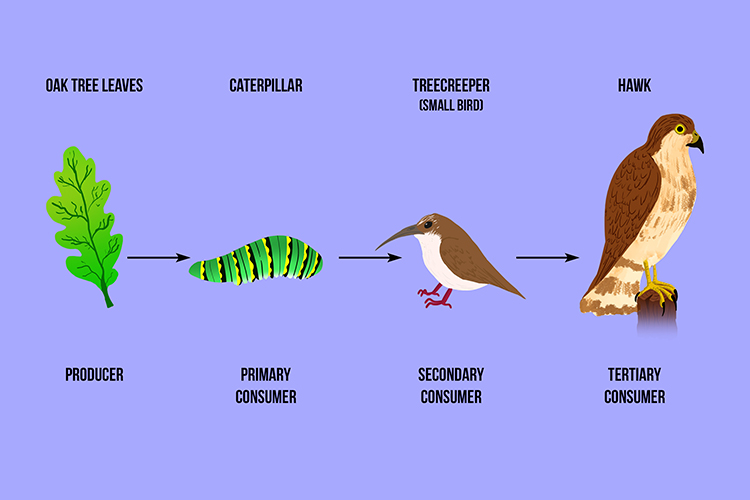
To understand why, let's quickly break down what a primary consumer even is. Think of it like a food pyramid, but instead of striving for perfect avocado toast at the top, we're tracing the flow of energy. At the very bottom, we have our producers – the plants! They're the cool kids who harness the sun's energy through photosynthesis. Next come the consumers, creatures that eat other organisms to get their energy. Primary consumers are those herbivores that feast directly on plants. Think cows, rabbits, and, you guessed it, caterpillars!
Following the primary consumers, you've got secondary consumers (who eat the primary consumers), and tertiary consumers (who eat the secondary consumers), and maybe even quaternary consumers (who are, well, at the top of the food chain!). It’s a whole food web of interconnectedness, like a real-life version of that circle of life scene from The Lion King.
Must Read
Caterpillars: Masters of Munching
Now, back to our fuzzy friends. Caterpillars are basically eating machines. Their primary mission in life is to consume vast amounts of plant matter to fuel their growth and prepare for their transformation into butterflies or moths. They're like tiny, leafy-green-powered locomotives. Imagine eating your weight in salad every single day – that’s caterpillar life! They’re constantly chomping away on leaves, stems, and flowers.
Fun Fact: Did you know some caterpillars can increase their body weight by thousands of times in just a few weeks? Talk about a growth spurt!
The Importance of Being a Primary Consumer
Being a primary consumer might sound simple, but it’s a crucial role in the ecosystem. Caterpillars, through their eating habits, influence plant growth and distribution. They also serve as a vital food source for many other animals, including birds, reptiles, and even other insects. They’re a key link in the food chain, acting as energy conduits that pass on the sun's energy, initially captured by plants, to other creatures.
Practical Tip: If you're a gardener, knowing that caterpillars are primary consumers helps you manage your garden sustainably. Instead of automatically reaching for pesticides, consider attracting natural predators like birds to keep caterpillar populations in check.

Beyond the Biology Textbook
The concept of primary consumers even shows up in unexpected places. Think about food choices in your own life. Are you primarily a vegetarian or vegan? Then, in a way, you are acting as a primary consumer, directly obtaining your energy from plants. It makes you think about our role in the larger food web and the impact of our dietary choices.
Cultural Reference: Remember the Very Hungry Caterpillar? Eric Carle's classic children's book perfectly illustrates the caterpillar's insatiable appetite and its role as a primary consumer in an easily digestible (pun intended!) way.
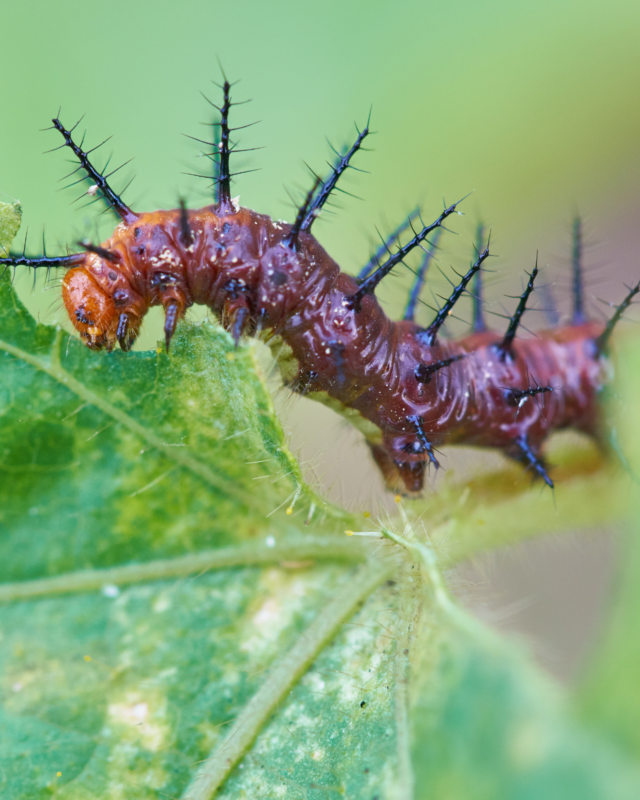
Another Fun Fact: Not all caterpillars are green! They come in a rainbow of colors, patterns, and textures, often camouflaged to blend in with their environment and avoid becoming a tasty snack for predators. It's like a tiny, leafy fashion show out there.
A Little Reflection
So, next time you spot a caterpillar munching away on a leaf, take a moment to appreciate its important role as a primary consumer. It's a reminder that everything in nature is connected, from the smallest insect to the largest tree. We are all part of this intricate web of life, and understanding these basic ecological principles helps us appreciate the beauty and complexity of the world around us. And maybe, just maybe, it encourages us to think about our own place in the food chain and the impact we have on the planet.