
Is A 30 Amp Rv Plug 110 Or 220

Imagine pulling your trusty RV into a campsite, surrounded by towering pines or perhaps the rhythmic crash of ocean waves. The sun is setting, casting a warm glow over your home-on-wheels. You've navigated tricky turns, shared laughs with your travel companions, and now it's time to settle in.
But before you can fire up the microwave for popcorn or crank the AC after a long, hot day of exploring, there's that crucial step: plugging in. You grab the thick, black umbilical cord, uncoil it with a practiced hand, and eye the big, round-ish plug with its three sturdy prongs. A question might have flickered through your mind at some point, especially if you’re new to the wonderful world of RVing: Is this a 110-volt plug or a 220-volt plug?
It's a question whispered in campgrounds, pondered over morning coffee, and sometimes even debated around crackling campfires. Don't worry, you’re not alone in this curiosity! Let's unravel this little mystery, not with a dense electrician's manual, but with a smile and a nod to the simple joys of the open road. Because, honestly, electricity in an RV, much like the perfect s'more, is all about getting the basics right to unlock maximum happiness and comfort.
Must Read
The Great Voltage Debate: 110 or 220?
For many, the terms 110V, 115V, and 120V are often used interchangeably to describe standard household electricity. You know, the kind that powers your toaster and your TV back home, allowing for lazy weekend mornings. Then there's 220V or 240V, which usually conjures images of powerful, heavy-duty appliances like electric clothes dryers or robust central air conditioners in a house. So, when you look at that beefy 30 amp RV plug, with its distinct shape and feel, it's perfectly natural to wonder where it fits into this electrical family.
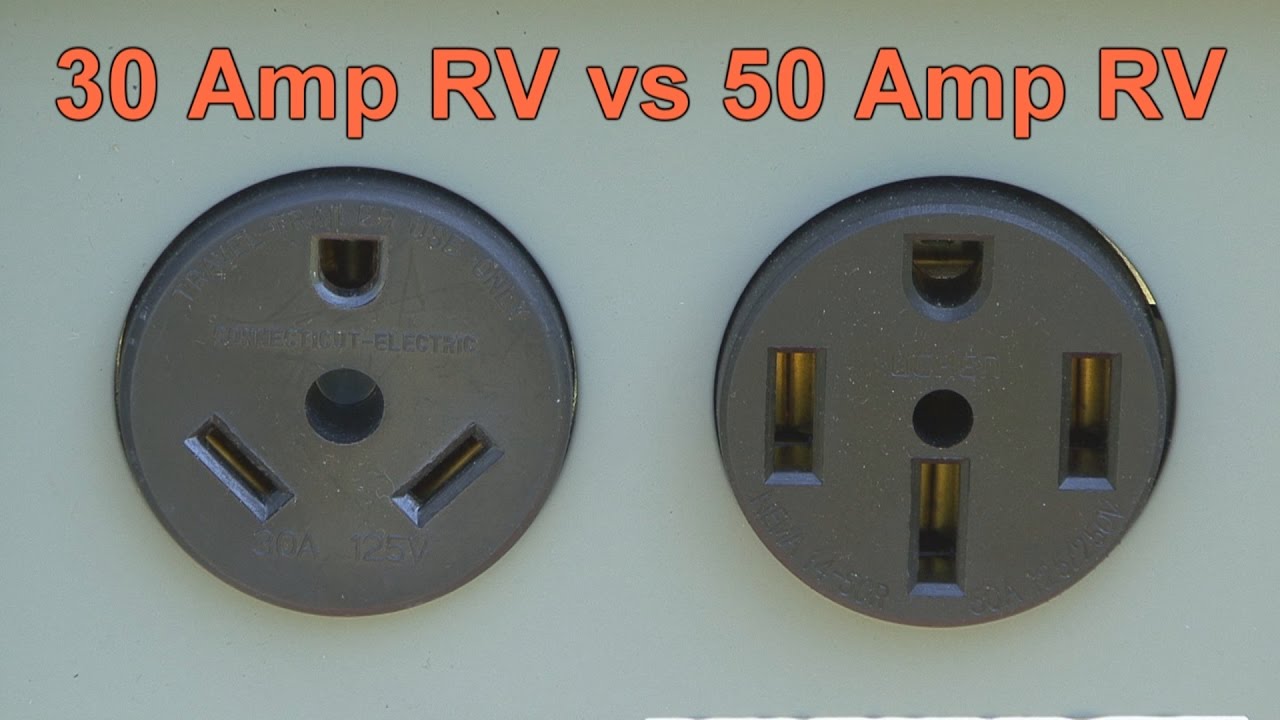
Is it a humble 110, content with just a few lights and a phone charger? Or is it a mighty 220, ready to conquer all electrical demands with industrial strength? The surprising, and delightfully simple, truth is that your standard 30 amp RV plug is designed for 120 volts. Yes, 120 volts! It’s essentially the big, brawny brother of your regular home wall outlet, specifically beefed up to handle significantly more current – those precious 30 amps – to keep your entire RV humming with life and comfort.
Think of it this way: the voltage is like the "push" or pressure of the electricity, while the amperage is the "flow" or "amount" of electricity. Your 30 amp RV setup has the same comfortable "push" as a regular wall outlet, but it allows a much greater "flow" of power. This generous flow is what makes it possible to run multiple appliances at once without constantly tripping breakers, ensuring your adventures are uninterrupted. It's like having a wider garden hose, letting more water (power) through without increasing the water pressure (voltage).

"It’s like finding out your favorite superhero can also make a mean breakfast – powerful, but perfectly designed for everyday comfort!"
Unlocking the RV Magic with 120 Volts
So, what does this 120-volt, 30 amp connection truly mean for your RV adventure? It means unparalleled freedom, consistent comfort, and a whole lot of delicious coffee brewed on demand. This single-phase power is the steady, reliable lifeblood for most of your RV's cherished creature comforts. It’s what powers your air conditioner on a sweltering summer day, allowing you to retreat into a cool, refreshing oasis after a long hike or a vibrant day exploring a new town.
It keeps your refrigerator consistently cold, diligently safeguarding your fresh produce, hearty picnic supplies, and those essential refreshing beverages. It illuminates your interior, setting the perfect ambiance for late-night board games, a cozy read under a soft light, or simply enjoying the quiet moments after a bustling day. And yes, it absolutely powers that morning coffeemaker, transforming sleepy campsite mornings into energized beginnings filled with the aroma of your favorite brew.
Many RVers, like our spirited friend Brenda from Boise, openly confess they never really thought about the voltage until they tried to plug in something truly unusual. "I once tried to use a fancy industrial heater I bought online, thinking 'more power, better heat!'," Brenda chuckled, recalling the moment. "It just sat there, looking completely confused and utterly useless. Turns out it specifically needed 220V, and my trusty RV, bless its heart, was perfectly happy and efficient with its 120V life!" It’s a wonderfully gentle reminder that while your RV is mighty and versatile, it's tailored for specific, everyday comforts, not industrial-grade machinery.
This focused design ensures efficiency and safety. You don't need to worry about complex electrical conversions or special adapters for most standard appliances. Your RV's 120-volt system is optimized for everything you bring from home, making the transition to the road seamless and stress-free. It's this thoughtful simplicity that allows you to truly relax and immerse yourself in the journey, rather than getting bogged down by technical worries.
The Big Brother: 50 Amp Service (Where 220V Comes In)
Now, you might still be thinking, "But I've definitely heard of 220V in RVs!" And your memory serves you well! Some larger, more luxurious RVs, often referred to as "Class A" motorhomes or large fifth-wheel trailers, utilize what's called 50 amp RV service. This is where the 240-volt (often casually called 220V) concept truly comes into play for the entire system.
A 50 amp RV plug is designed quite differently from its 30 amp counterpart. It actually delivers two separate 120-volt lines, each one independently capable of handling 50 amps of current. When these two robust lines are combined, they can effectively power appliances that truly require 240 volts, such as multiple large air conditioning units, or they can distribute a significantly greater amount of 120 volts to different sections of the RV, offering unparalleled electrical capacity. So, while a 50 amp plug technically brings 240V potential to the RV's main panel, it's still delivering 120V to most individual outlets and common appliances throughout the living space.

But for our beloved 30 amp plug, it keeps things wonderfully straightforward and universally understood: a solid, immensely reliable 120 volts. It’s the quintessential workhorse that powers countless memorable adventures for millions of RVers without overcomplicating things. It’s the dependable friend that’s always there, ready to deliver comfort and convenience, allowing you to focus on the vistas and the laughs.
"The 30 amp connection is the unsung hero, silently ensuring your marshmallow roasting isn't interrupted by a sudden power outage. It's pure, unadulterated comfort on demand."
The Heartwarming Current of RV Life
Beyond the fascinating technicalities of voltage and amperage, truly understanding your RV's power system is about so much more than just numbers. It’s about empowering your deepest travel dreams and providing invaluable peace of mind. It’s about the reassurance of knowing you can run essential medical equipment, keep all your devices fully charged, and most importantly, keep your beloved furry companion cool and comfortable on a scorching hot afternoon. It’s about the quiet, consistent hum of your air conditioning unit letting you sleep soundly, even when the crickets and cicadas outside are in their full, nightly chorus.
Think of the incredible camaraderie fostered in a bustling campground. Someone might cheerfully ask to borrow an extension cord for their whimsical outdoor string lights, adding a festive glow to the evening. Another fellow RVer might generously offer you a slice of a freshly baked pie, lovingly cooled in their perfectly chilled, 120V-powered fridge. The electricity, while an invisible force, creates a wonderfully tangible connection between fellow travelers, actively fostering a warm and welcoming sense of community.

It’s not simply about the voltage or the amperage; it’s profoundly about the shared stories, the cherished memories, and the indispensable comforts these electrical connections so reliably provide. The humble 30 amp plug, delivering its consistent 120 volts, stands as a silent, steadfast partner in every single road trip, every breathtaking sunrise view from a panoramic window, and every heartwarming shared meal under the protective canopy of an awning.
So, the next time you plug in your 30 amp RV, take a moment to give a little mental nod to its reliable 120-volt heartbeat. It’s not trying to be overly fancy or unnecessarily complex; it’s simply and diligently doing its job, powering all your adventures, one comfortable, joyful moment at a time. It’s a beautiful testament to simplicity and effective design, letting you wholeheartedly focus on what truly matters most: the spectacular journey itself.
From the quiet, reassuring hum of the refrigerator preserving your treats to the inviting, gentle glow of the interior lights welcoming you home, every flicker of power is a profound reminder of the ingenious design that allows us to take a cherished piece of home wherever the open road may serendipitously lead. It's a small, yet profoundly impactful detail that makes a world of difference, ensuring your RV feels less like a mere vehicle and more like a true, comforting home on wheels.
And that, my dear friends, is a connection absolutely worth celebrating! So, go forth, plug in with confidence, and wholeheartedly enjoy every single 120-volt-powered moment of your incredible RV life. Happy travels and may your adventures always be bright!