
Is 92 A Prime Or Composite Number
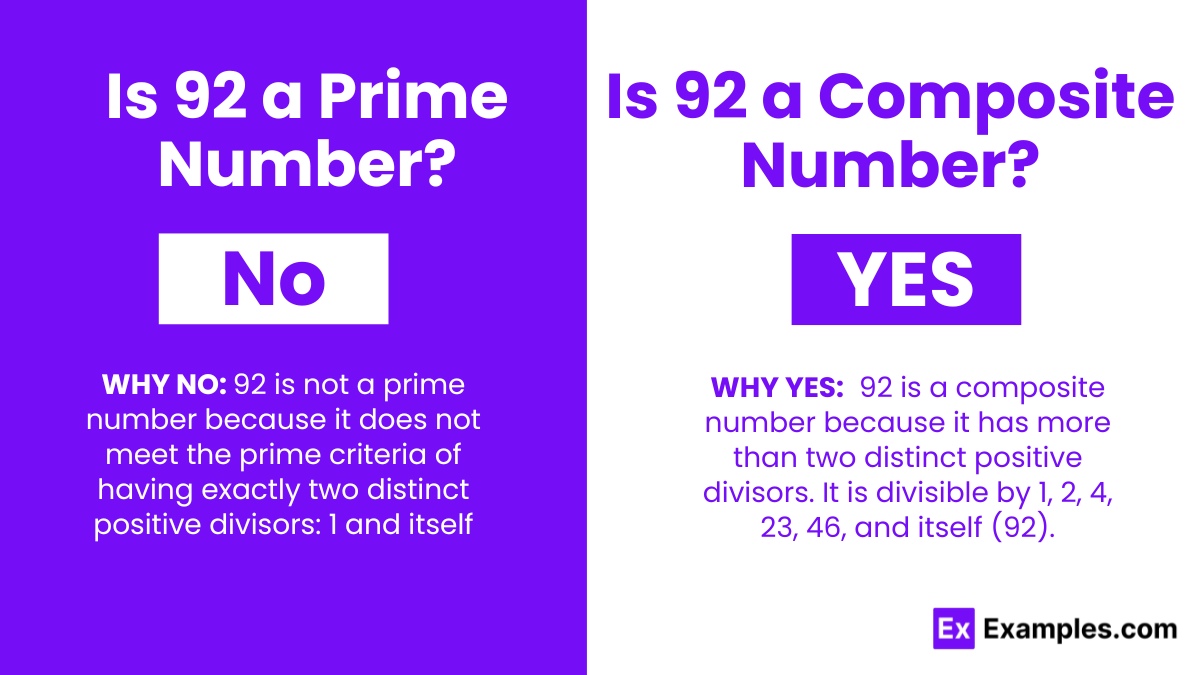
Hey there, math adventurer! Ever been chilling, minding your own business, and then BAM! – someone throws a number at you and demands, "Prime or composite?!" Don't worry, it happens to the best of us. Today's target: the magnificent 92. Is it a prime number, standing proudly alone, or a composite number, part of the party? Let's find out!
Prime Time Primer
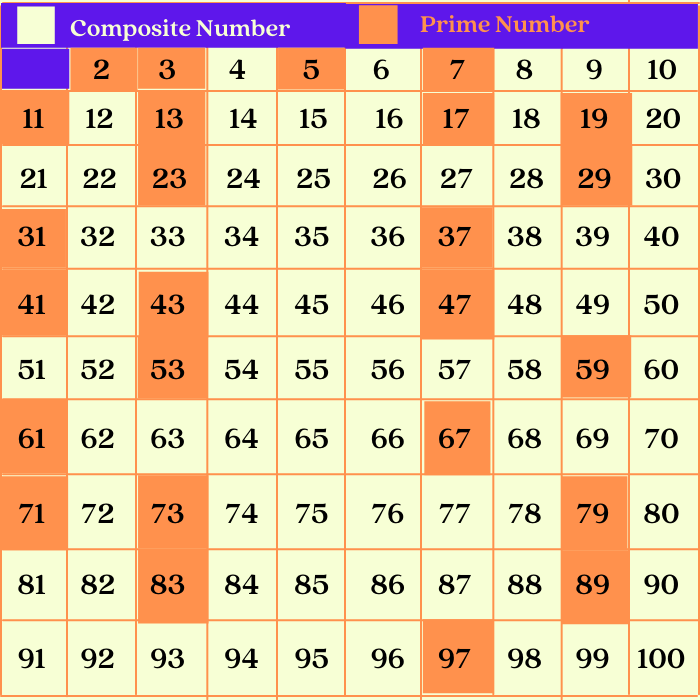
Okay, so what is a prime number anyway? Think of them as the superheroes of the number world. They're only divisible by two numbers: 1 and themselves. That's it! No sidekicks, no entourage, just them and the number 1. Examples? We've got 2, 3, 5, 7, 11... you get the idea. They're like that one friend who always insists on paying their own way – independent and self-sufficient.
On the other hand, we have composite numbers. These are the social butterflies of the number world. They're divisible by more than just 1 and themselves. They have other factors hanging around, ready to divide them up. Think 4, 6, 8, 9, 10, and so on. They're always up for sharing the mathematical wealth, so to speak.
Must Read
The 92 Investigation Begins!
Alright, detective hats on! Time to put 92 under the spotlight. The big question: Does 92 have any factors besides 1 and 92 itself? This is where our factoring skills come in handy. And if you're thinking "Uh oh, I forgot how to do that..." don't sweat it! We'll tackle it together.
The easiest thing to do is to start with the smallest prime number: 2. Is 92 divisible by 2? Drumroll please... YES! 92 divided by 2 is 46. Aha! We've already found a factor other than 1 and 92. Looks like 92 is already showing its composite colors.

But let's keep going, just for fun. We already know 92 = 2 x 46. Can we break down 46 further? Is 46 divisible by 2? Yep! 46 divided by 2 is 23. So now we know 92 = 2 x 2 x 23. And 23? Well, 23 is a prime number! So we've broken 92 down to its prime factors: 2, 2, and 23.
The Verdict: Composite!
Case closed! 92 is definitely a composite number. It's divisible by 1, 2, 4, 23, 46, and 92. It's a popular number with lots of friends (factors, that is!).
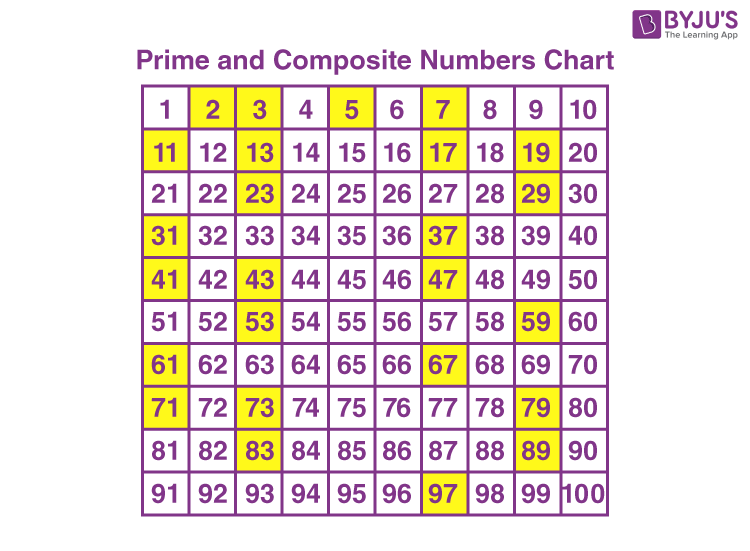
Think of it like this: If 92 were a cookie, it could be divided up into 2 equal slices, 4 equal slices, 23 equal slices, or 46 equal slices (not to mention 1 and 92, obviously!). That's a lot of ways to share a cookie! A prime number cookie, on the other hand, could only be shared as one big cookie or tiny little crumbs. Which sounds more fun?
And hey, there's absolutely nothing wrong with being composite. They bring a certain... richness... to the number world. They allow for all sorts of interesting mathematical operations and patterns. They are, quite simply, essential!
Beyond the Numbers: An Uplifting Finale
So, there you have it. 92: not prime, but proud to be composite! Hopefully, you had fun exploring the number landscape with me. Remember, even if you stumble on a math problem, don't be afraid to break it down, look for the clues, and discover the answer, one step at a time. Just like figuring out prime and composite numbers, tackling any challenge becomes easier with a little exploration and a positive attitude.
And remember: Whether you're a prime number standing strong on your own, or a composite number enjoying the company of many factors, you're uniquely awesome just the way you are! Now, go forth and conquer those numbers… or at least enjoy thinking about them! You’ve got this!
