
Is 74 A Good Temperature For Heat In The Winter
Ah, winter. A time for cozy sweaters, crackling fireplaces (real or virtual!), and the eternal debate: what's the perfect indoor temperature? We all crave that sweet spot where we're neither shivering under blankets nor sweating like we're in a sauna. And somewhere in the mix, 74 degrees Fahrenheit often enters the conversation. But is 74 a good temperature for heat in the winter? Let's dive in.
The primary benefit of heating our homes in the winter is, quite simply, survival. Okay, perhaps not survival in the most literal sense for most of us, but definitely for maintaining a comfortable and healthy living environment. Adequate heating prevents hypothermia, protects vulnerable populations like the elderly and infants, and can even stave off illnesses like the common cold, which thrives in colder temperatures. Beyond the purely physical, a warm home provides a sense of security and well-being. It's a sanctuary against the harshness of the outside world, a place where we can relax, recharge, and connect with loved ones.
So, how does 74 stack up? Many people find 74 degrees to be a reasonably comfortable temperature. It allows you to walk around in lighter clothing without feeling chilled, making it ideal for activities like reading, watching TV, or doing light housework. Families with small children or elderly members might particularly appreciate this temperature, as it helps ensure everyone stays warm enough. However, comfort is subjective, and what feels perfect to one person might feel stifling to another. Some might argue that 74 is too high, leading to higher energy bills and a feeling of being overheated, especially during sleep. Others may find it too low, particularly those who are more sensitive to the cold.
Must Read
The application of heating varies wildly depending on your circumstances. Central heating systems are a common example, using furnaces or heat pumps to distribute warmth throughout the house. Space heaters provide localized heat, perfect for warming up a single room. And don't forget the unsung hero of winter warmth: programmable thermostats. These devices allow you to schedule temperature changes throughout the day, optimizing comfort and energy efficiency.

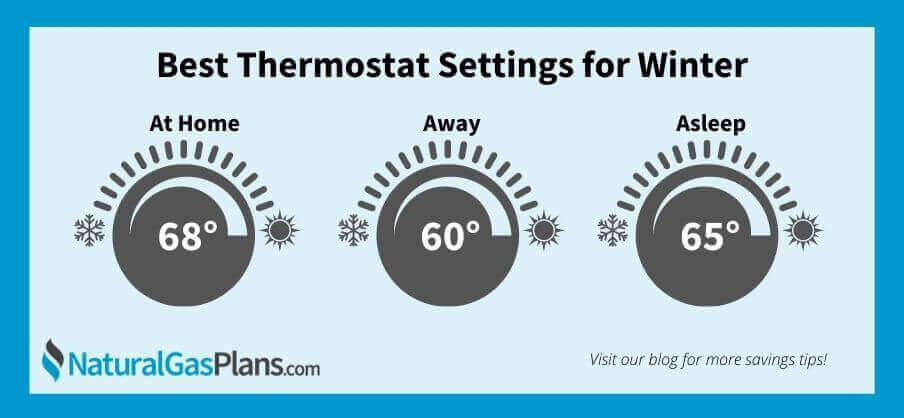
To enjoy your winter heating more effectively, consider these practical tips. First, optimize your home's insulation. Seal any drafts around windows and doors, and ensure your attic is properly insulated. This will prevent heat from escaping and reduce your energy consumption. Second, layer your clothing. Instead of cranking up the thermostat, add an extra sweater or a pair of socks. This allows you to adjust your personal comfort level without overheating the entire house. Third, consider using a programmable thermostat to lower the temperature while you're asleep or away from home. Even a few degrees can make a significant difference in your energy bill. Finally, don't be afraid to experiment to find the temperature that's perfect for you. Maybe 74 is your sweet spot, or maybe you prefer it a few degrees higher or lower. The key is to find a balance between comfort, energy efficiency, and personal preference.
Ultimately, deciding if 74 is a "good" temperature is a personal decision. Consider your own comfort level, your family's needs, and your energy budget to determine the optimal setting for your winter warmth. Happy heating!


