
Is 73 A Good Temperature For Heat In The Winter
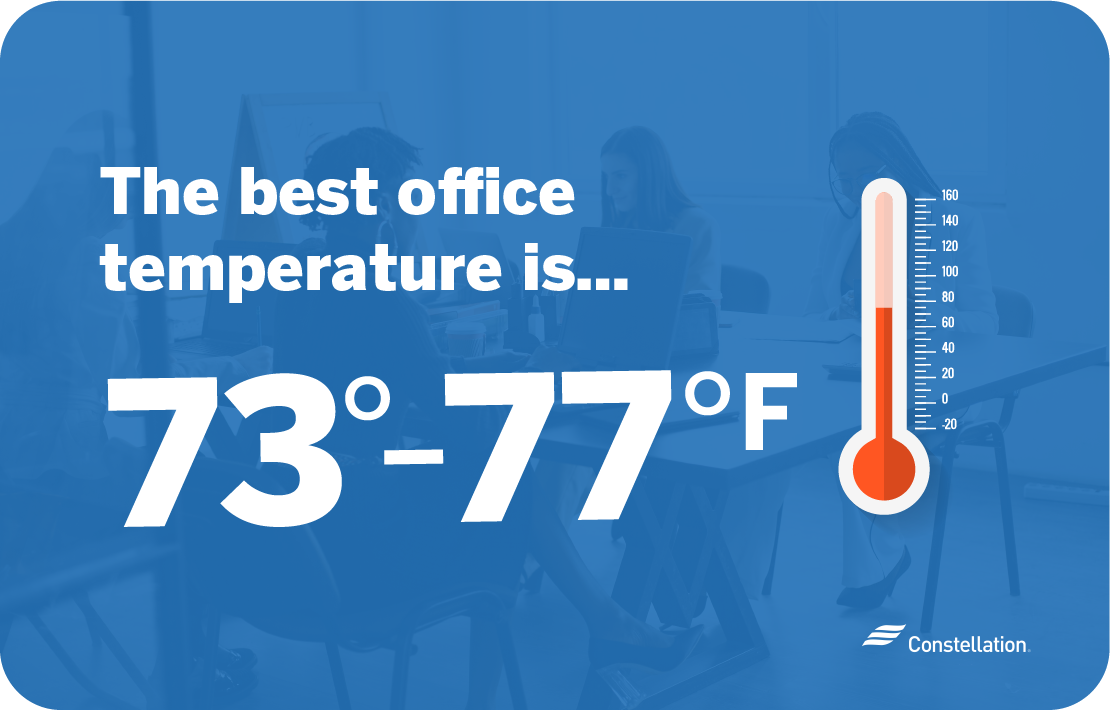
Ever find yourself fiddling with the thermostat, wondering if you've finally hit that sweet spot of cozy winter warmth? We've all been there! The quest for the perfect indoor temperature is a perennial one, especially when the snow is falling and the wind is howling. But what exactly is the "perfect" temperature, and more specifically, is 73 degrees Fahrenheit a good target for your home's heat in the winter? It's a question that touches on comfort, energy efficiency, and even our personal health – making it a surprisingly fascinating topic to explore.
So, why should we even care about aiming for a specific temperature? Well, think about it. Setting your thermostat strategically can have a significant impact on your energy bill. Overheating your home is like throwing money out the window, while keeping it too cold can lead to discomfort and even health issues, especially for the elderly or those with certain medical conditions. The purpose of carefully choosing a temperature is to find a balance: a zone where you're comfortable, healthy, and not draining your wallet with exorbitant heating costs.
Consider 73 degrees. It's a temperature often cited as being quite comfortable for many people. But comfort is subjective! What feels perfect to one person might feel too warm or too cold to another. Generally, 73 degrees provides a good baseline for many. It's warm enough to allow you to comfortably wear light clothing indoors, without needing to bundle up in layers. However, whether it's "good" for you depends on several factors.
Must Read
In daily life, the ideal temperature for heating becomes a frequent discussion. In households with varying preferences, compromises need to be made. Perhaps someone prefers 70 degrees, while another feels best at 75. Finding a middle ground, like 73, can lead to harmonious living! Moreover, in educational settings like classrooms, maintaining a consistent and comfortable temperature like 73 degrees can help students focus and learn better. A too-cold room can be distracting and uncomfortable, hindering concentration. Similarly, an overly warm room can lead to drowsiness.
So, how can you explore this question further and find your own ideal temperature? Here are a few practical tips:
- Experiment: Gradually adjust your thermostat by a degree or two each day and see how you feel. Pay attention to your comfort levels at different times of the day.
- Consider Activity Levels: If you're exercising or doing housework, you might prefer a slightly cooler temperature. If you're relaxing and watching TV, you might want it a bit warmer.
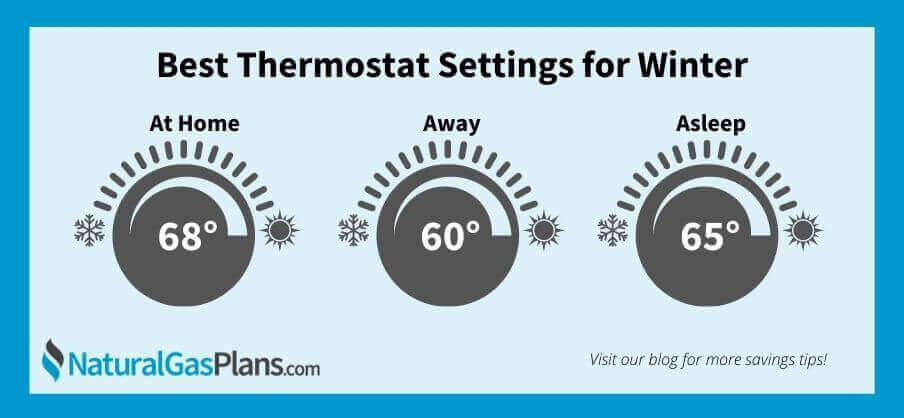
- Use a Programmable Thermostat: This allows you to set different temperatures for different times of the day. For example, you can lower the temperature while you're asleep or away from home and then raise it before you wake up or arrive back. This can save you a lot of money on your energy bill!
- Dress Appropriately: If you consistently feel cold at 73 degrees, try wearing warmer clothing instead of cranking up the heat.
- Address Drafts: Seal any cracks or gaps around windows and doors to prevent heat loss. This will make your home more energy-efficient and help you maintain a consistent temperature.
Ultimately, whether 73 degrees is a "good" temperature is a personal decision. It's a great starting point, but the best approach is to experiment and find what works best for you, your household, and your budget. Happy thermostat tinkering!

![What is the Average Room Temperature? [2025 Survey Results] | Angi](https://media.angi.com/s3fs-public/average-room-temperature-settings.png?impolicy=infographic)